
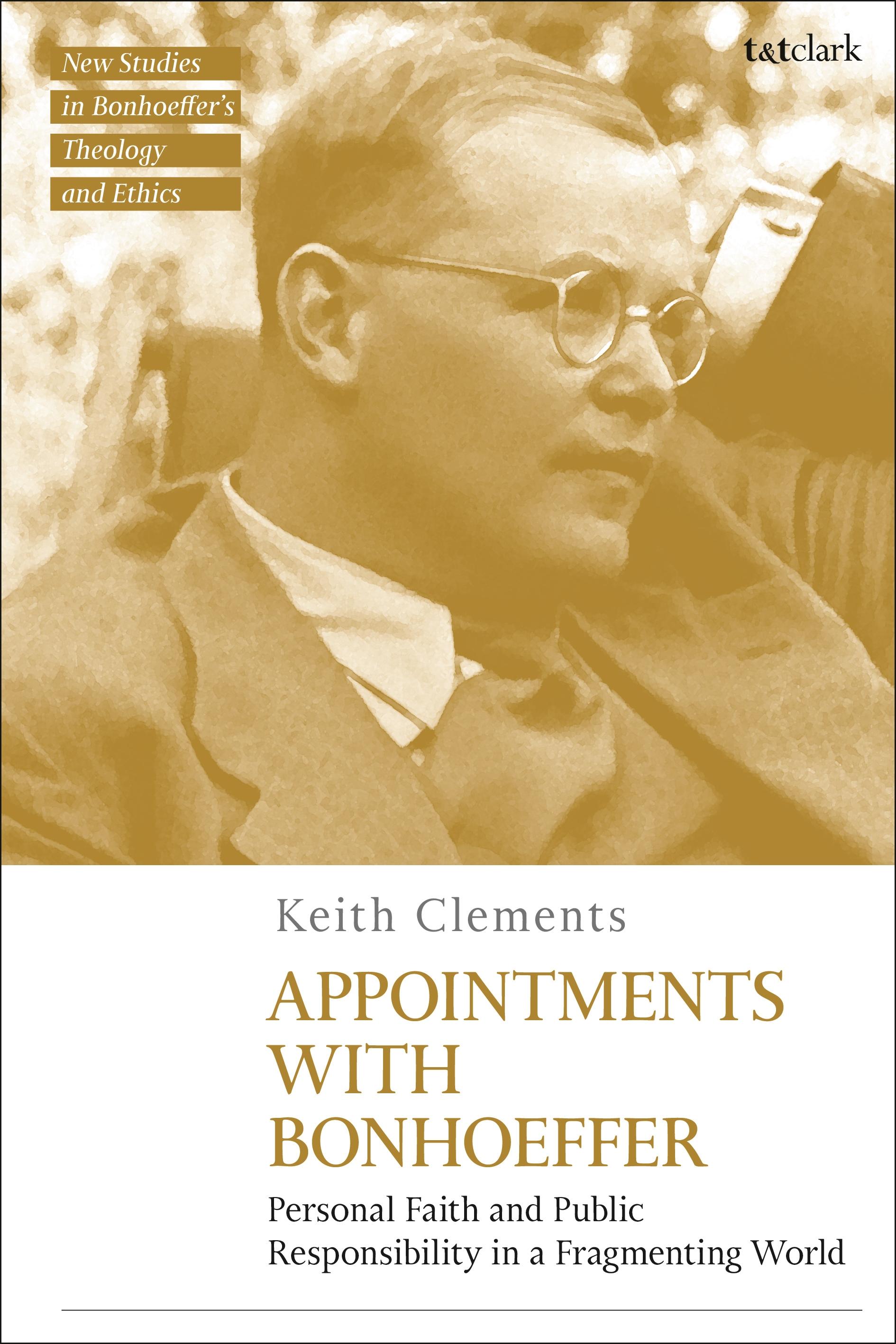
Keith Clements sets out how and why Dietrich Bonhoeffer, more than seventy-five years after his execution by the Nazis, still speaks cogently both to the churches and society. Beginning with the earlier reception of him as a martyr-figure and then as a provocatively original theologian, this book argues his relevance to contemporary engagement with public ethics, ecumenism, truth-telling and reconciliation, the relation between faith and democracy in a time of political extremisms, the issues of national identity signalled by Brexit, and the challenge of finding an ethical response to such challenges as the global pandemic.
Bonhoeffer's perception that living representatively on behalf of others is both the key to who God is as known in Jesus Christ, and the basis of all truly human community, provides the connecting thread running through these chapters on what it means to believe and be responsible in a fragmenting world. Clements also links this thread to the seventeenth-century spiritual writer Thomas Traherne and the Catholic Modernist Friedrich von Hügel.
Bonhoeffer's perception that living representatively on behalf of others is both the key to who God is as known in Jesus Christ, and the basis of all truly human community, provides the connecting thread running through these chapters on what it means to believe and be responsible in a fragmenting world. Clements also links this thread to the seventeenth-century spiritual writer Thomas Traherne and the Catholic Modernist Friedrich von Hügel.
Płać wygodnie kartą, Klarną, Apple Pay lub Google Pay. Nie jesteś zadowolony? Zawsze masz 14-dniową gwarancję zwrotu pieniędzy. Więcej przeczytasz w naszych warunkach. Masz pytania? Napisz do nas na hello@memmo.org.
Memmo ułatwia naukę – gdziekolwiek jesteś na świecie. U nas znajdziesz podręczniki i sprytne narzędzia do nauki w jednym miejscu: streszczenia, quizy, podcasty i fiszki. A do tego Ted, Twój kumpel do nauki, który odpowie na wszystko, co Cię nurtuje. Ponad 50 000 studentów już tu się uczy – stworzone, byś uczył się szybciej i mniej stresował.