
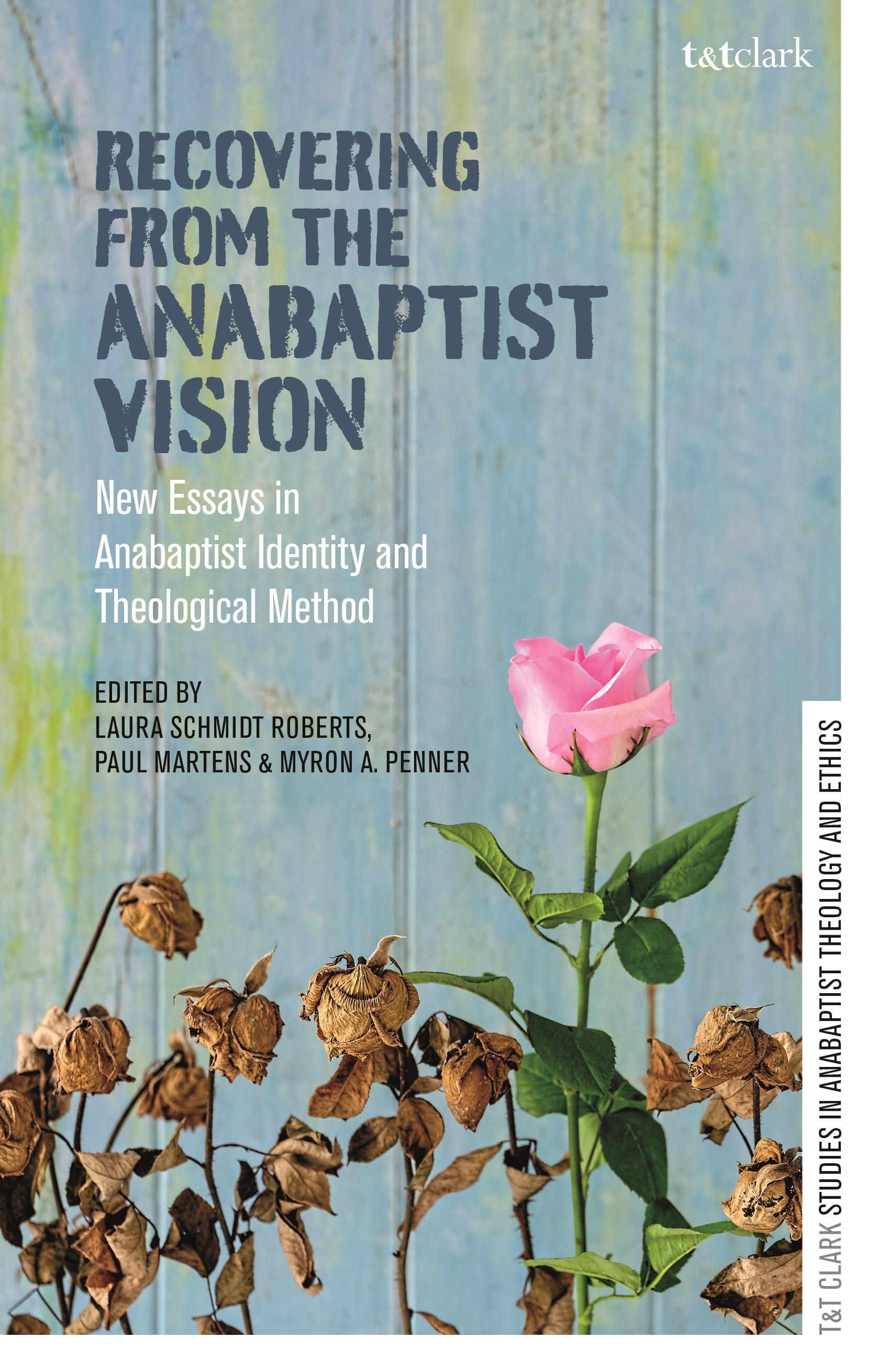
This volume performs a critical and vibrant reconstruction of Anabaptist identity and theological method, in the wake of the recent revelations of the depth of the sexual abuse perpetrated by the most influential Anabaptist theologian of the 20th century, John Howard Yoder. In an attempt to liberate Anabaptist theology and identity from the constricting vision appropriated and reformulated by Yoder, these essays refuse the determinative categories of the last half century supplied by and carried beyond Harold Bender's The Anabaptist Vision.
While still under the shadow of decades of trauma, a recontexualized conversation about Anabaptist theology and identity emerges in this volume that is ecumenically engaged, philosophically astute, psychologically attuned, and resolutely vulnerable. The volume offers a Trinitarian and Christological framework that holds together the importance of Scripture, tradition, and the lived experience of the Christian community, as the contributors examine a wide variety of issues such as Mennonite feminism, Anabaptist queer theology, and Mennonite theological methods. These essays interrogate the operations of power, violence, exclusion, and privilege in methodology in this changed context, offering self-critical constructive alternatives for articulating Anabaptist theology and identity.
While still under the shadow of decades of trauma, a recontexualized conversation about Anabaptist theology and identity emerges in this volume that is ecumenically engaged, philosophically astute, psychologically attuned, and resolutely vulnerable. The volume offers a Trinitarian and Christological framework that holds together the importance of Scripture, tradition, and the lived experience of the Christian community, as the contributors examine a wide variety of issues such as Mennonite feminism, Anabaptist queer theology, and Mennonite theological methods. These essays interrogate the operations of power, violence, exclusion, and privilege in methodology in this changed context, offering self-critical constructive alternatives for articulating Anabaptist theology and identity.
Płać wygodnie kartą, Klarną, Apple Pay lub Google Pay. Nie jesteś zadowolony? Zawsze masz 14-dniową gwarancję zwrotu pieniędzy. Więcej przeczytasz w naszych warunkach. Masz pytania? Napisz do nas na hello@memmo.org.
Memmo ułatwia naukę – gdziekolwiek jesteś na świecie. U nas znajdziesz podręczniki i sprytne narzędzia do nauki w jednym miejscu: streszczenia, quizy, podcasty i fiszki. A do tego Ted, Twój kumpel do nauki, który odpowie na wszystko, co Cię nurtuje. Ponad 50 000 studentów już tu się uczy – stworzone, byś uczył się szybciej i mniej stresował.