
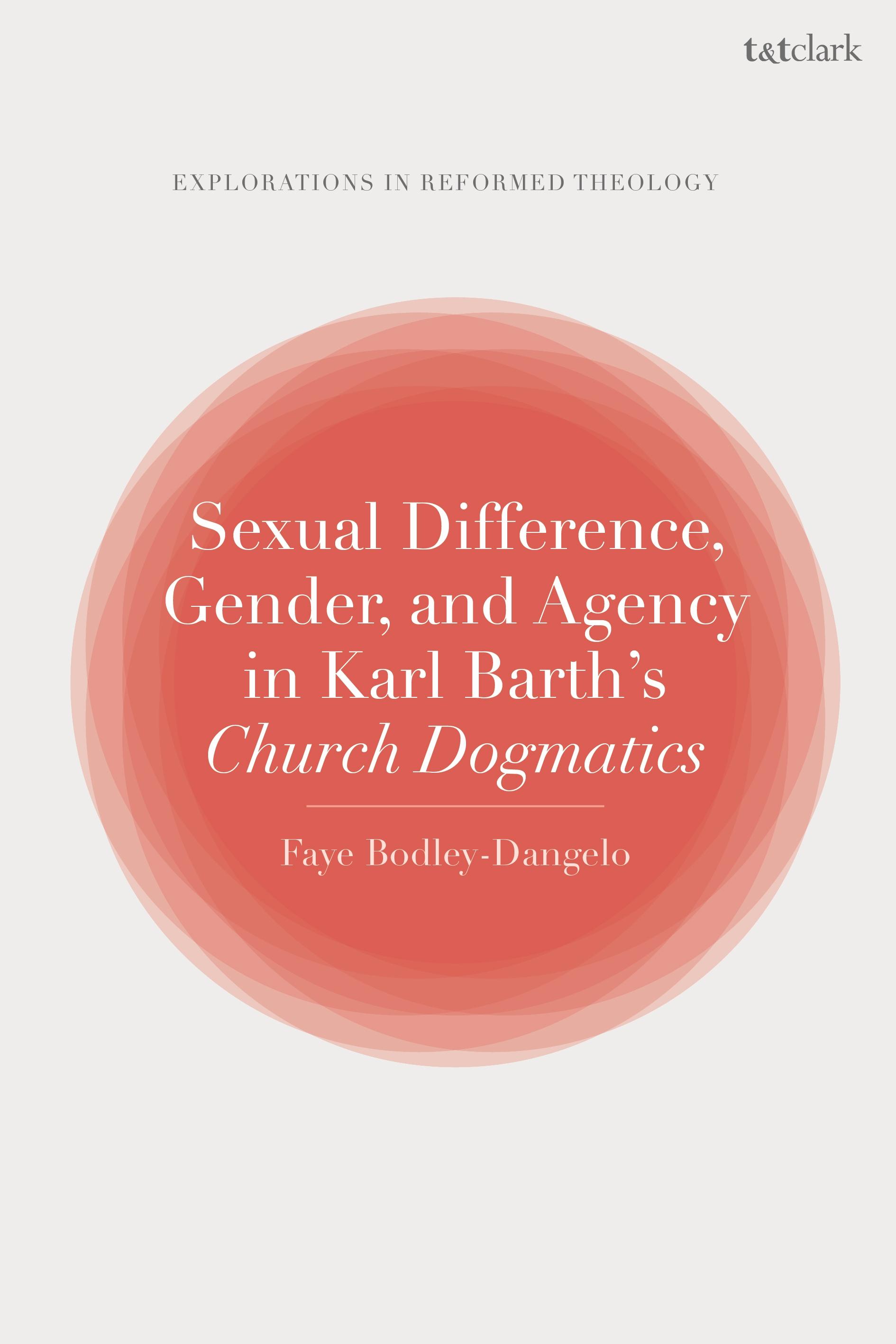
This volume is a critical and constructive analysis of the sexually differentiated self in Karl Barth's Church Dogmatic. It secures in his Christocentric pattern of human agency an untapped resource for unsettling and reimagining the heteropatriarchal structure of human fellowship at the heart of his theological anthropology.
Moving through Barth's doctrines of revelation, creation, theological anthropology, and special ethics, Faye Bodley-Dangelo locates the human agent in his broader project aimed at re-habilitating the subject of modern protestant theology. She argues the human actor comes into view as the recipient of Christ's redemptive activity, which redirects it out of self-aggrandizing isolation and into relationships of dependency, responsiveness, and ethical responsibility to multiple sites of divine and creaturely alterity. The book debates that Barth's model of human agency cannot on its own terms sustain his version of female subordination nor his repudiation of same-sex relationships. Rather, it contains ethically-oriented, critical and reflective mechanisms that resist the sexist heterosexist dimension of his theological anthropology and lend themselves to an anti-essentialist performative account of gender.
Moving through Barth's doctrines of revelation, creation, theological anthropology, and special ethics, Faye Bodley-Dangelo locates the human agent in his broader project aimed at re-habilitating the subject of modern protestant theology. She argues the human actor comes into view as the recipient of Christ's redemptive activity, which redirects it out of self-aggrandizing isolation and into relationships of dependency, responsiveness, and ethical responsibility to multiple sites of divine and creaturely alterity. The book debates that Barth's model of human agency cannot on its own terms sustain his version of female subordination nor his repudiation of same-sex relationships. Rather, it contains ethically-oriented, critical and reflective mechanisms that resist the sexist heterosexist dimension of his theological anthropology and lend themselves to an anti-essentialist performative account of gender.
Płać wygodnie kartą, Klarną, Apple Pay lub Google Pay. Nie jesteś zadowolony? Zawsze masz 14-dniową gwarancję zwrotu pieniędzy. Więcej przeczytasz w naszych warunkach. Masz pytania? Napisz do nas na hello@memmo.org.
Memmo ułatwia naukę – gdziekolwiek jesteś na świecie. U nas znajdziesz podręczniki i sprytne narzędzia do nauki w jednym miejscu: streszczenia, quizy, podcasty i fiszki. A do tego Ted, Twój kumpel do nauki, który odpowie na wszystko, co Cię nurtuje. Ponad 50 000 studentów już tu się uczy – stworzone, byś uczył się szybciej i mniej stresował.