
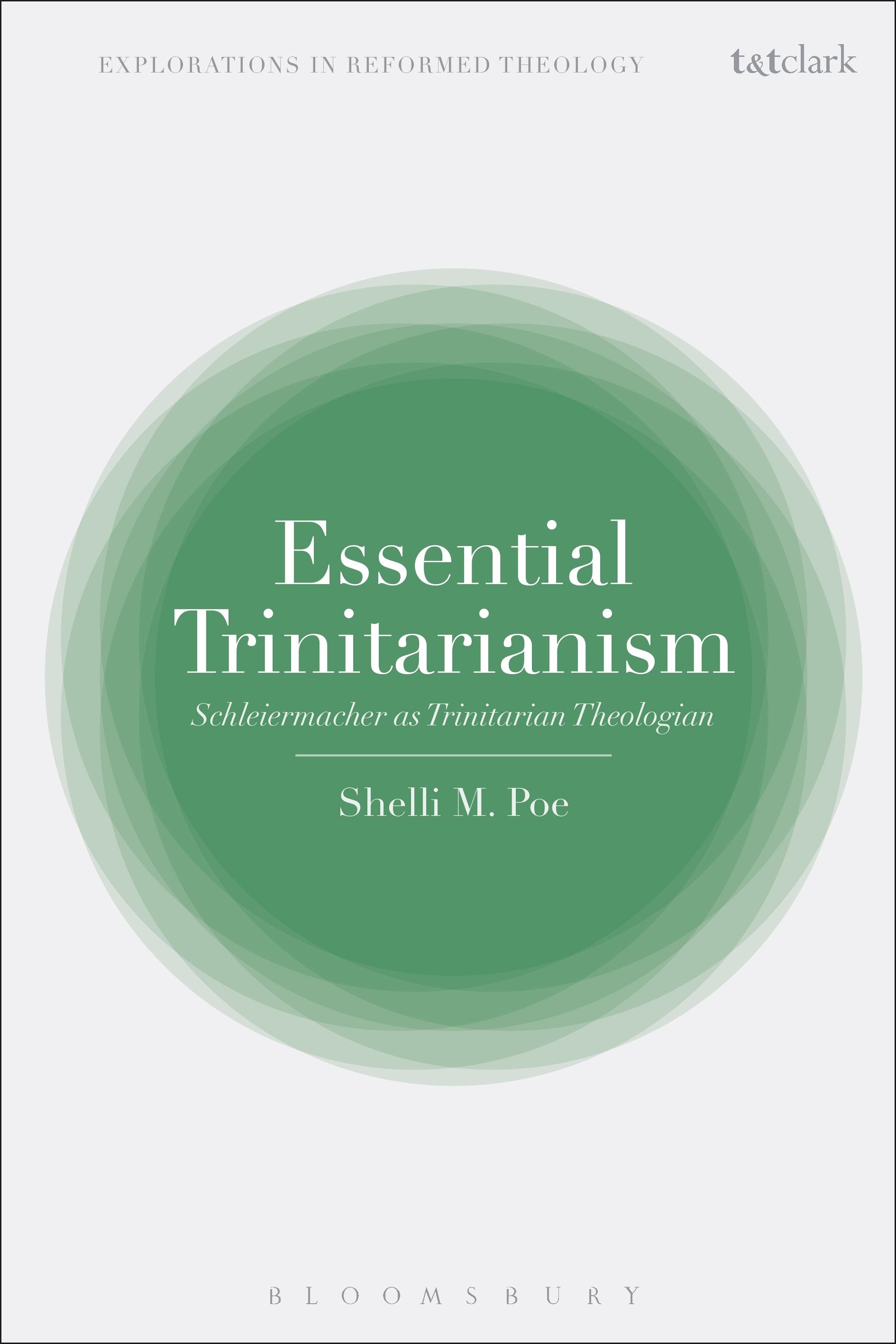
Many scholars believe that Friedrich Schleiermacher relegates the doctrine of the Trinity to an appendix at the end of his magnum opus, The Christian Faith (1830/31); his alleged disregard for the Trinity is the supposed death knell for serious consideration of his work within the history of Christian thought.
This volume argues that Schleiermacher not only calls for the doctrine's revitalization, but also makes it the centrepiece of Protestant Christianity. Following Schleiermacher's own thought experiment, Poe presents his doctrine of God in reverse order of its original presentation. Her examination centres on the Trinity, treating it as the keystone of the entire work, while analysing the divine attributes: love and wisdom, justice and holiness, eternity, omniscience, omnipotence, and omnipresence. When viewed from the standpoint of the conclusion, the Trinitarian shape of Schleiermacher's theology comes to the fore. What emerges is a middle way between merely economic Trinitarianism and a full-fledged development of immanent Trinitarianism, examining divine personhood and the union of the divine with humanity.
The central thesis of this work runs boldly counter to the prevailing academic account of Schleiermacher's doctrine of the Trinity, and offers an innovative and constructive reading. Readers will be privy to a fresh look at Schleiermacher's doctrine of God and its importance for contemporary theology.
This volume argues that Schleiermacher not only calls for the doctrine's revitalization, but also makes it the centrepiece of Protestant Christianity. Following Schleiermacher's own thought experiment, Poe presents his doctrine of God in reverse order of its original presentation. Her examination centres on the Trinity, treating it as the keystone of the entire work, while analysing the divine attributes: love and wisdom, justice and holiness, eternity, omniscience, omnipotence, and omnipresence. When viewed from the standpoint of the conclusion, the Trinitarian shape of Schleiermacher's theology comes to the fore. What emerges is a middle way between merely economic Trinitarianism and a full-fledged development of immanent Trinitarianism, examining divine personhood and the union of the divine with humanity.
The central thesis of this work runs boldly counter to the prevailing academic account of Schleiermacher's doctrine of the Trinity, and offers an innovative and constructive reading. Readers will be privy to a fresh look at Schleiermacher's doctrine of God and its importance for contemporary theology.
Płać wygodnie kartą, Klarną, Apple Pay lub Google Pay. Nie jesteś zadowolony? Zawsze masz 14-dniową gwarancję zwrotu pieniędzy. Więcej przeczytasz w naszych warunkach. Masz pytania? Napisz do nas na hello@memmo.org.
Memmo ułatwia naukę – gdziekolwiek jesteś na świecie. U nas znajdziesz podręczniki i sprytne narzędzia do nauki w jednym miejscu: streszczenia, quizy, podcasty i fiszki. A do tego Ted, Twój kumpel do nauki, który odpowie na wszystko, co Cię nurtuje. Ponad 50 000 studentów już tu się uczy – stworzone, byś uczył się szybciej i mniej stresował.