
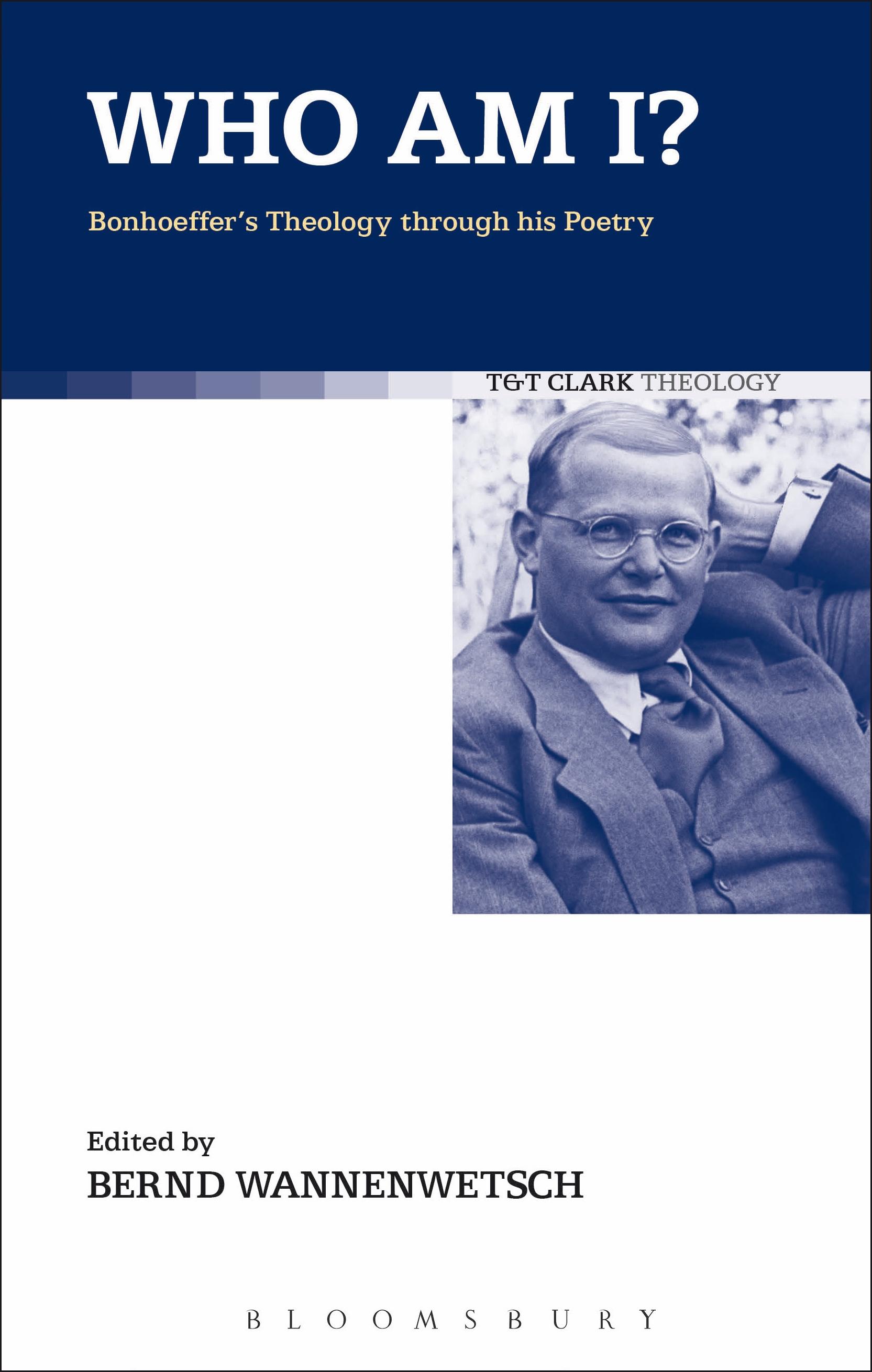
It has often been noted that poetry is a particularly suitable medium when it comes to understanding the connection between theology and biography. Needless to say that this is particularly exciting in the case of Dietrich Bonhoeffer and the poems he wrote during his imprisonment by the Nazis.
Although any one of his ten poems should be read within their respective historical and biographical context, they are also rounded, self-sufficient pieces of work that cannot be 'explained' by the biographical and theological prose that surrounds them. They rather serve as a sort of creative and perhaps sometimes even critical interlocutor to these contexts. This is why the contributors to this volume have not been asked to explain the poems but to facilitate this conversation: the conversation between the reader and the poems, between the individual poems as well as between the poems and Bonhoeffer's life and his theology. These poems lend themselves ideally as an entry point into Bonhoeffer's theology, in that each one of them resonates with a particular central theological concept that Bonhoeffer was developing in his prison years.
Themes and concepts such as "friendship", "religion", "identity", "freedom", "representative action" and others are not only represented in these poems but often expressed in the dense and compelling fashion that only poetic language affords. As such, they deserve the thorough and imaginative engagement of the international line-up of first-class theological authors gathered in this book.
Although any one of his ten poems should be read within their respective historical and biographical context, they are also rounded, self-sufficient pieces of work that cannot be 'explained' by the biographical and theological prose that surrounds them. They rather serve as a sort of creative and perhaps sometimes even critical interlocutor to these contexts. This is why the contributors to this volume have not been asked to explain the poems but to facilitate this conversation: the conversation between the reader and the poems, between the individual poems as well as between the poems and Bonhoeffer's life and his theology. These poems lend themselves ideally as an entry point into Bonhoeffer's theology, in that each one of them resonates with a particular central theological concept that Bonhoeffer was developing in his prison years.
Themes and concepts such as "friendship", "religion", "identity", "freedom", "representative action" and others are not only represented in these poems but often expressed in the dense and compelling fashion that only poetic language affords. As such, they deserve the thorough and imaginative engagement of the international line-up of first-class theological authors gathered in this book.
Płać wygodnie kartą, Klarną, Apple Pay lub Google Pay. Nie jesteś zadowolony? Zawsze masz 14-dniową gwarancję zwrotu pieniędzy. Więcej przeczytasz w naszych warunkach. Masz pytania? Napisz do nas na hello@memmo.org.
Memmo ułatwia naukę – gdziekolwiek jesteś na świecie. U nas znajdziesz podręczniki i sprytne narzędzia do nauki w jednym miejscu: streszczenia, quizy, podcasty i fiszki. A do tego Ted, Twój kumpel do nauki, który odpowie na wszystko, co Cię nurtuje. Ponad 50 000 studentów już tu się uczy – stworzone, byś uczył się szybciej i mniej stresował.