
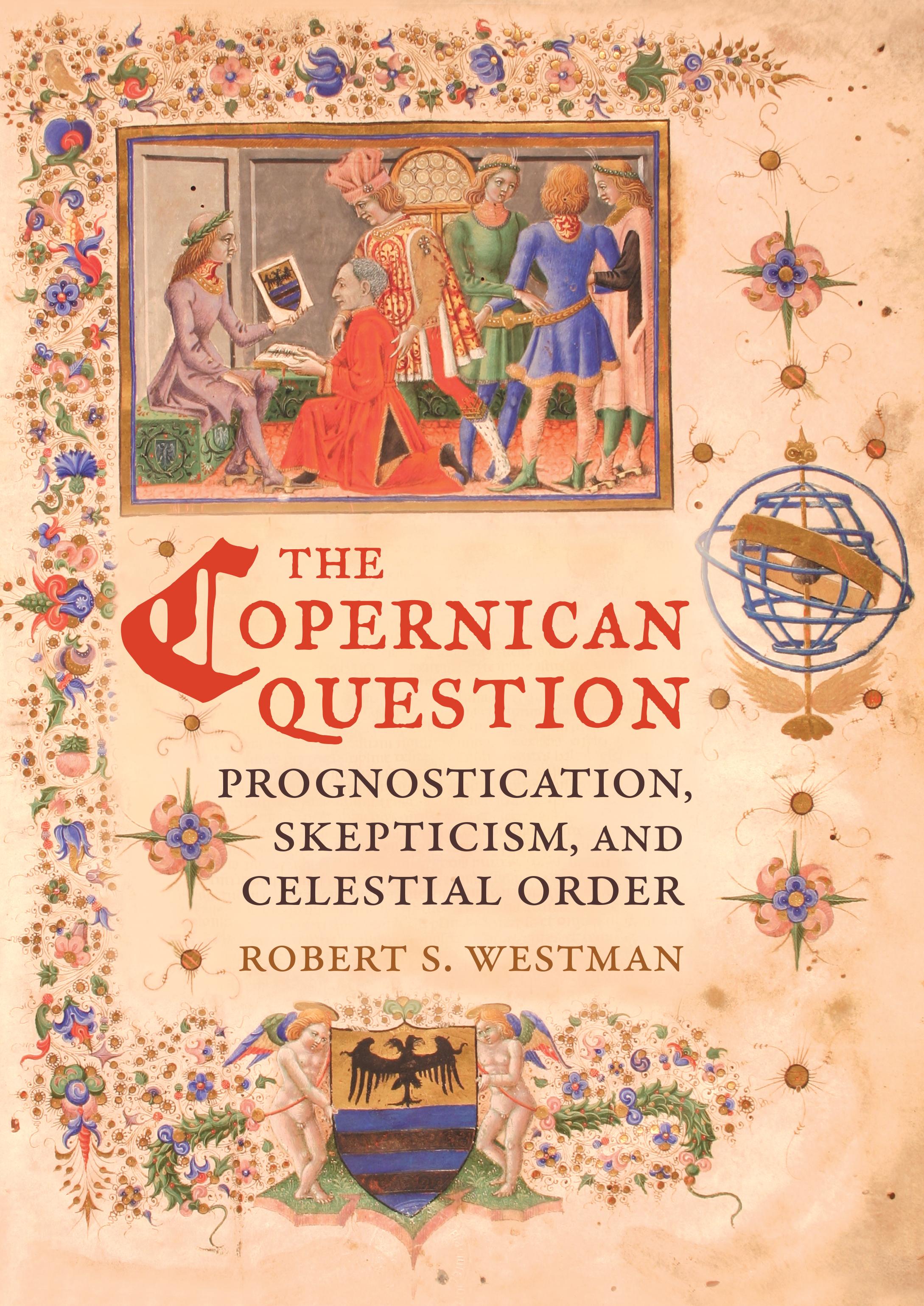
In 1543, Nicolaus Copernicus publicly defended his hypothesis that the earth is a planet and the sun a body resting near the center of a finite universe. But why did Copernicus make this bold proposal? And why did it matter? The Copernican Question reframes this pivotal moment in the history of science, centering the story on a conflict over the credibility of astrology that erupted in Italy just as Copernicus arrived in 1496. Copernicus engendered enormous resistance when he sought to protect astrology by reconstituting its astronomical foundations. Robert S. Westman shows that efforts to answer the astrological skeptics became a crucial unifying theme of the early modern scientific movement. His interpretation of this "long sixteenth century," from the 1490s to the 1610s, offers a new framework for understanding the great transformations in natural philosophy in the century that followed.
Płać wygodnie kartą, Klarną, Apple Pay lub Google Pay. Nie jesteś zadowolony? Zawsze masz 14-dniową gwarancję zwrotu pieniędzy. Więcej przeczytasz w naszych warunkach. Masz pytania? Napisz do nas na hello@memmo.org.
Memmo ułatwia naukę – gdziekolwiek jesteś na świecie. U nas znajdziesz podręczniki i sprytne narzędzia do nauki w jednym miejscu: streszczenia, quizy, podcasty i fiszki. A do tego Ted, Twój kumpel do nauki, który odpowie na wszystko, co Cię nurtuje. Ponad 50 000 studentów już tu się uczy – stworzone, byś uczył się szybciej i mniej stresował.
Może Ci się spodobać
Kup książkę0