
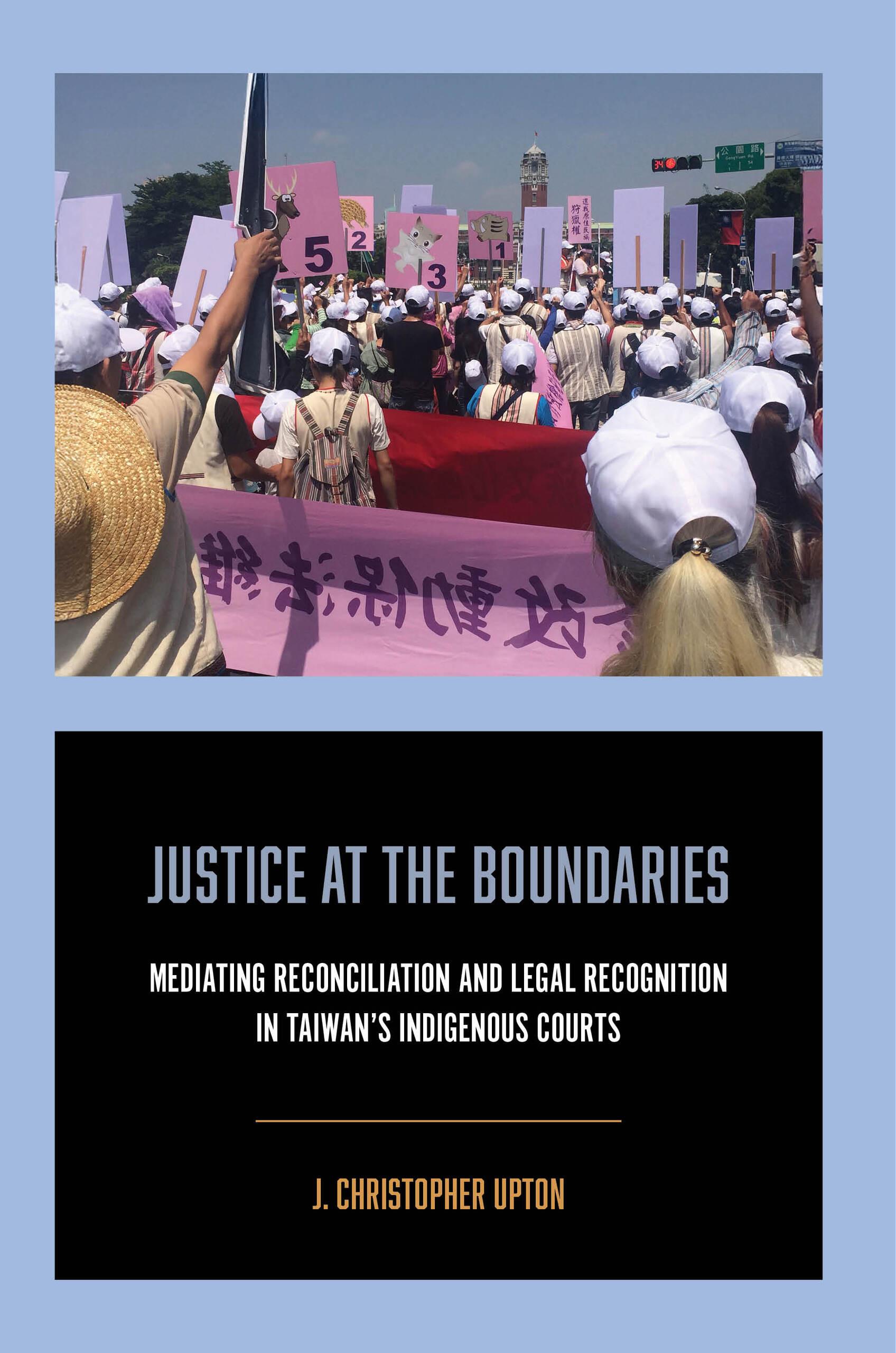
Justice at the Boundaries offers a powerful ethnographic account of the transformative potential and structural limitations of Taiwan's system of ad hoc Chambers of Indigenous Courts. Drawing on immersive fieldwork in courtrooms and Indigenous communities, J. Christopher Upton examines how judges, Indigenous litigants, and cultural brokers navigate contested terrains of law, identity, and sovereignty in a legal system shaped by ongoing processes of colonialism and aspirations of multiculturalism. From invocations of Indigenous laws to appeals to international human rights norms, the book reveals how courtroom encounters become sites of cultural negotiation, resistance, and possibility. Upton shows how Taiwan's Indigenous courts and other "boundary institutions" designed to bridge Indigenous and non-Indigenous worlds both challenge and reproduce entrenched hierarchies and power dynamics. The book brings fresh methodological and conceptual tools to the study of legal pluralism, Indigenous courts, Indigenous peoples' rights, and the complex politics of Indigenous recognition in the Asia-Pacific region and beyond.
Płać wygodnie kartą, Klarną, Apple Pay lub Google Pay. Nie jesteś zadowolony? Zawsze masz 14-dniową gwarancję zwrotu pieniędzy. Więcej przeczytasz w naszych warunkach. Masz pytania? Napisz do nas na hello@memmo.org.
Memmo ułatwia naukę – gdziekolwiek jesteś na świecie. U nas znajdziesz podręczniki i sprytne narzędzia do nauki w jednym miejscu: streszczenia, quizy, podcasty i fiszki. A do tego Ted, Twój kumpel do nauki, który odpowie na wszystko, co Cię nurtuje. Ponad 50 000 studentów już tu się uczy – stworzone, byś uczył się szybciej i mniej stresował.