
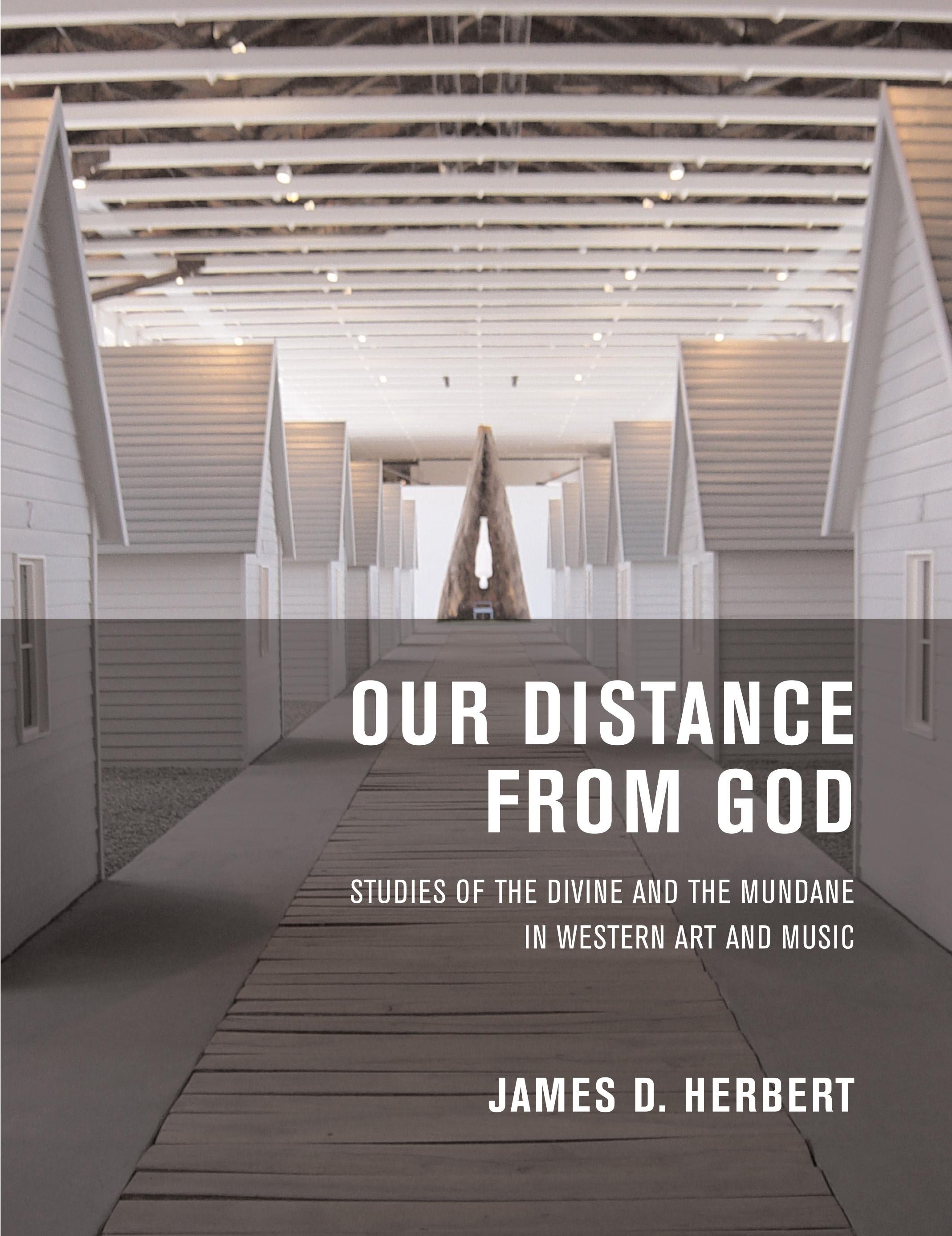
In this encounter between reflections on Christian theology and the history of art and music, James D. Herbert considers how specific works of art establish a relation between the divine and the earthbound audiences for whom the art was created. He looks at five case studies over four centuries: the architecture and artworks that glorified Louis XIV at Versailles, the interaction of libretto and music in Richard Wagner's Ring of the Nibelung, Claude Monet's enormous paintings of water lilies mounted at the Orangerie of Paris in 1927, the inaugural performance in 1962 of Benjamin Britten's War Requiem at the new Anglican cathedral in Coventry, and Robert Wilson's recent installation based on the Passion, 14 Stations.
Płać wygodnie kartą, Klarną, Apple Pay lub Google Pay. Nie jesteś zadowolony? Zawsze masz 14-dniową gwarancję zwrotu pieniędzy. Więcej przeczytasz w naszych warunkach. Masz pytania? Napisz do nas na hello@memmo.org.
Memmo ułatwia naukę – gdziekolwiek jesteś na świecie. U nas znajdziesz podręczniki i sprytne narzędzia do nauki w jednym miejscu: streszczenia, quizy, podcasty i fiszki. A do tego Ted, Twój kumpel do nauki, który odpowie na wszystko, co Cię nurtuje. Ponad 50 000 studentów już tu się uczy – stworzone, byś uczył się szybciej i mniej stresował.
Może Ci się spodobać
Kup książkę0