
Why do we feel excited, afraid, and frustrated by algorithms?
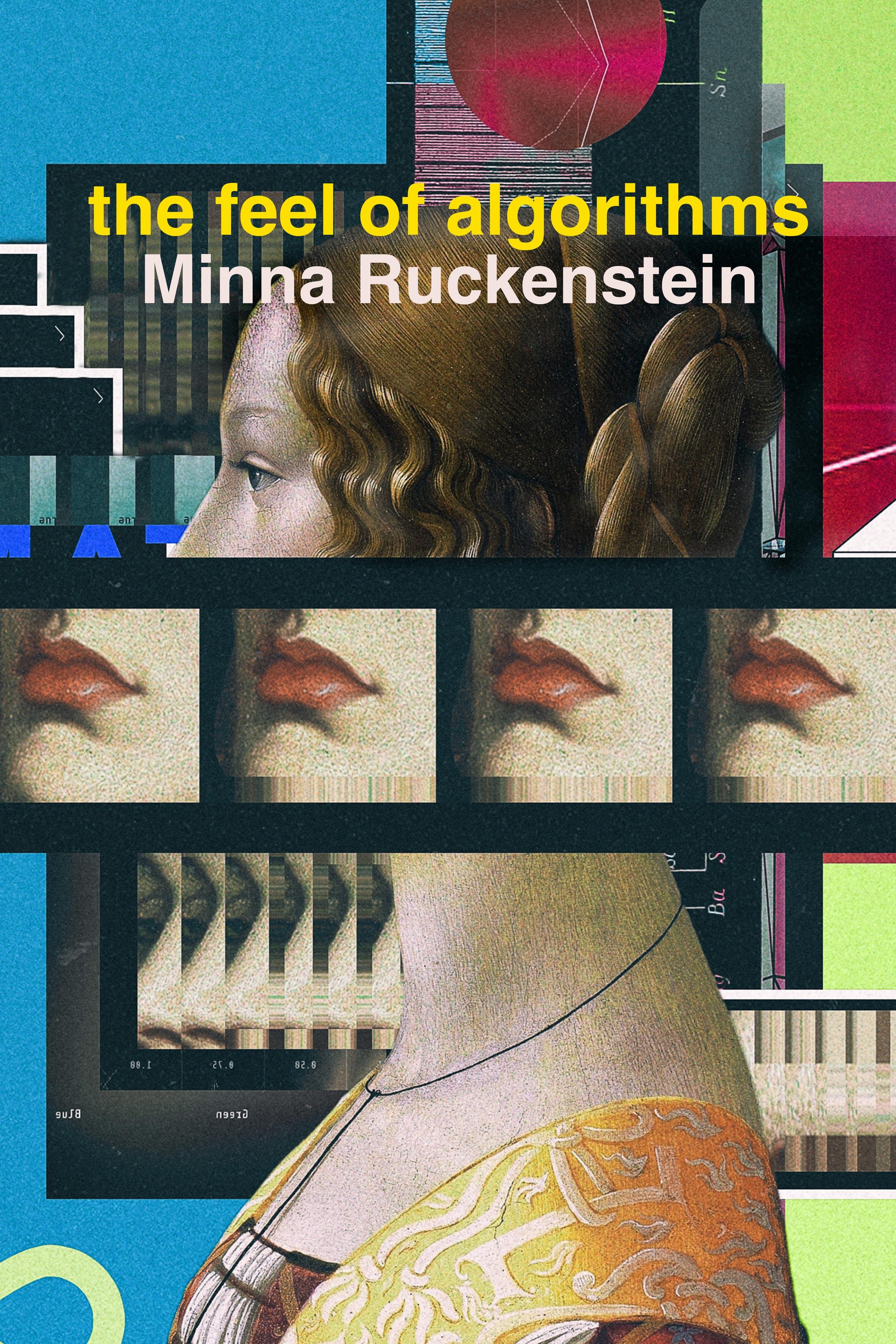
The Feel of Algorithms brings relatable first-person accounts of what it means to experience algorithms emotionally alongside interdisciplinary social science research, to reveal how political and economic processes are felt in the everyday. People’s algorithm stories might fail to separate fact and misconception, and circulate wishful, erroneous, or fearful views of digital technologies. Yet rather than treating algorithmic folklore as evidence of ignorance, this novel book explains why personal anecdotes are an important source of algorithmic knowledge. Minna Ruckenstein argues that we get to know algorithms by feeling their actions and telling stories about them. The Feel of Algorithms shows how taking everyday algorithmic emotions seriously balances the current discussion, which has a tendency to draw conclusions based on celebratory or oppositional responses to imagined future effects. An everyday focus zooms into experiences of pleasure, fear, and irritation, highlighting how political aims and ethical tensions play out in visions, practices, and emotional responses. This book shows that feelings aid in recognizing troubling practices, and also calls for alternatives that are currently ignored or suppressed.
The Feel of Algorithms brings relatable first-person accounts of what it means to experience algorithms emotionally alongside interdisciplinary social science research, to reveal how political and economic processes are felt in the everyday. People’s algorithm stories might fail to separate fact and misconception, and circulate wishful, erroneous, or fearful views of digital technologies. Yet rather than treating algorithmic folklore as evidence of ignorance, this novel book explains why personal anecdotes are an important source of algorithmic knowledge. Minna Ruckenstein argues that we get to know algorithms by feeling their actions and telling stories about them. The Feel of Algorithms shows how taking everyday algorithmic emotions seriously balances the current discussion, which has a tendency to draw conclusions based on celebratory or oppositional responses to imagined future effects. An everyday focus zooms into experiences of pleasure, fear, and irritation, highlighting how political aims and ethical tensions play out in visions, practices, and emotional responses. This book shows that feelings aid in recognizing troubling practices, and also calls for alternatives that are currently ignored or suppressed.
Płać wygodnie kartą, Klarną, Apple Pay lub Google Pay. Nie jesteś zadowolony? Zawsze masz 14-dniową gwarancję zwrotu pieniędzy. Więcej przeczytasz w naszych warunkach. Masz pytania? Napisz do nas na hello@memmo.org.
Memmo ułatwia naukę – gdziekolwiek jesteś na świecie. U nas znajdziesz podręczniki i sprytne narzędzia do nauki w jednym miejscu: streszczenia, quizy, podcasty i fiszki. A do tego Ted, Twój kumpel do nauki, który odpowie na wszystko, co Cię nurtuje. Ponad 50 000 studentów już tu się uczy – stworzone, byś uczył się szybciej i mniej stresował.
Może Ci się spodobać
Kup książkę0