
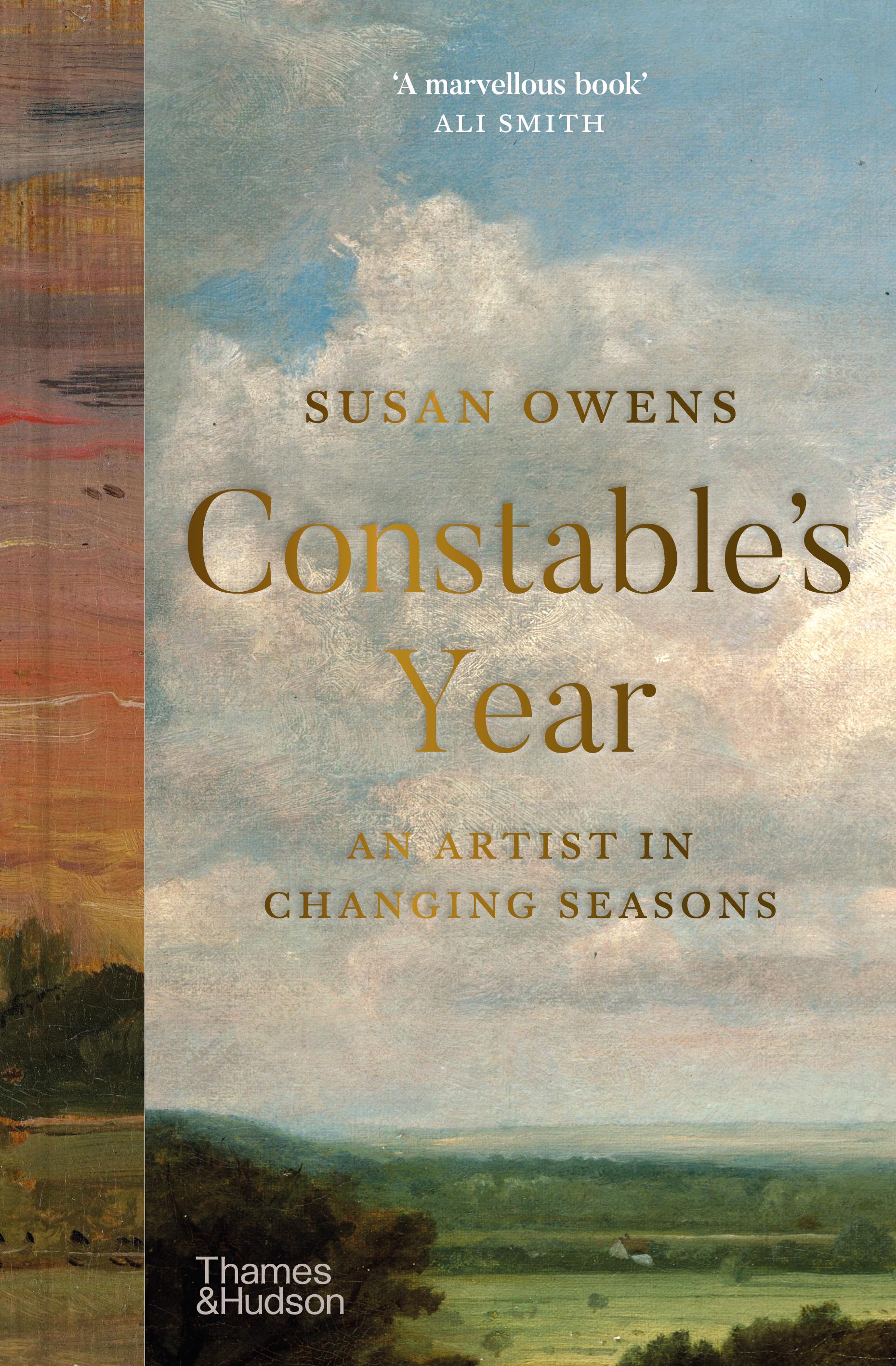
As exhilarating as a lungful of oxygen: that’s how some of his contemporaries felt about John Constable’s paintings. Others, though, were baffled by his uncompromisingly fresh and realistic treatment of the natural world. Susan Owens follows Constable through the seasons, tracing the rhythms and resonances of the artist’s year to offer a vivid, unconventional perspective on this beloved figure.
Whether in London in May, preparing pictures for exhibition and longing for the Suffolk spring, or painting boat-builders and waiting to be married in a particularly gloomy September, Constable’s life and work were unusually shaped by the yearly cycles of weather and agriculture, as well as by the often competing demands of the art world. Raised in Suffolk and trained to manage his father's land, his rural background had an enduring impact on his painting. His was the approach of one who knew the laneways, ploughs and millponds he painted intimately, and who understood the countryside as a place of both labour and natural phenomena.
Though today he is often considered a traditional artist, in truth John Constable was a radical. His sketchbooks and paintings reject second-hand, slip-shod versions of nature, instead subjecting the land, its people and industry to intense scrutiny; developing a new kind of painting to fit the landscape he saw with his farmer’s eye and felt beneath the soles of his boots.
Whether in London in May, preparing pictures for exhibition and longing for the Suffolk spring, or painting boat-builders and waiting to be married in a particularly gloomy September, Constable’s life and work were unusually shaped by the yearly cycles of weather and agriculture, as well as by the often competing demands of the art world. Raised in Suffolk and trained to manage his father's land, his rural background had an enduring impact on his painting. His was the approach of one who knew the laneways, ploughs and millponds he painted intimately, and who understood the countryside as a place of both labour and natural phenomena.
Though today he is often considered a traditional artist, in truth John Constable was a radical. His sketchbooks and paintings reject second-hand, slip-shod versions of nature, instead subjecting the land, its people and industry to intense scrutiny; developing a new kind of painting to fit the landscape he saw with his farmer’s eye and felt beneath the soles of his boots.
Płać wygodnie kartą, Klarną, Apple Pay lub Google Pay. Nie jesteś zadowolony? Zawsze masz 14-dniową gwarancję zwrotu pieniędzy. Więcej przeczytasz w naszych warunkach. Masz pytania? Napisz do nas na hello@memmo.org.
Memmo ułatwia naukę – gdziekolwiek jesteś na świecie. U nas znajdziesz podręczniki i sprytne narzędzia do nauki w jednym miejscu: streszczenia, quizy, podcasty i fiszki. A do tego Ted, Twój kumpel do nauki, który odpowie na wszystko, co Cię nurtuje. Ponad 50 000 studentów już tu się uczy – stworzone, byś uczył się szybciej i mniej stresował.
Może Ci się spodobać
Kup książkę0