
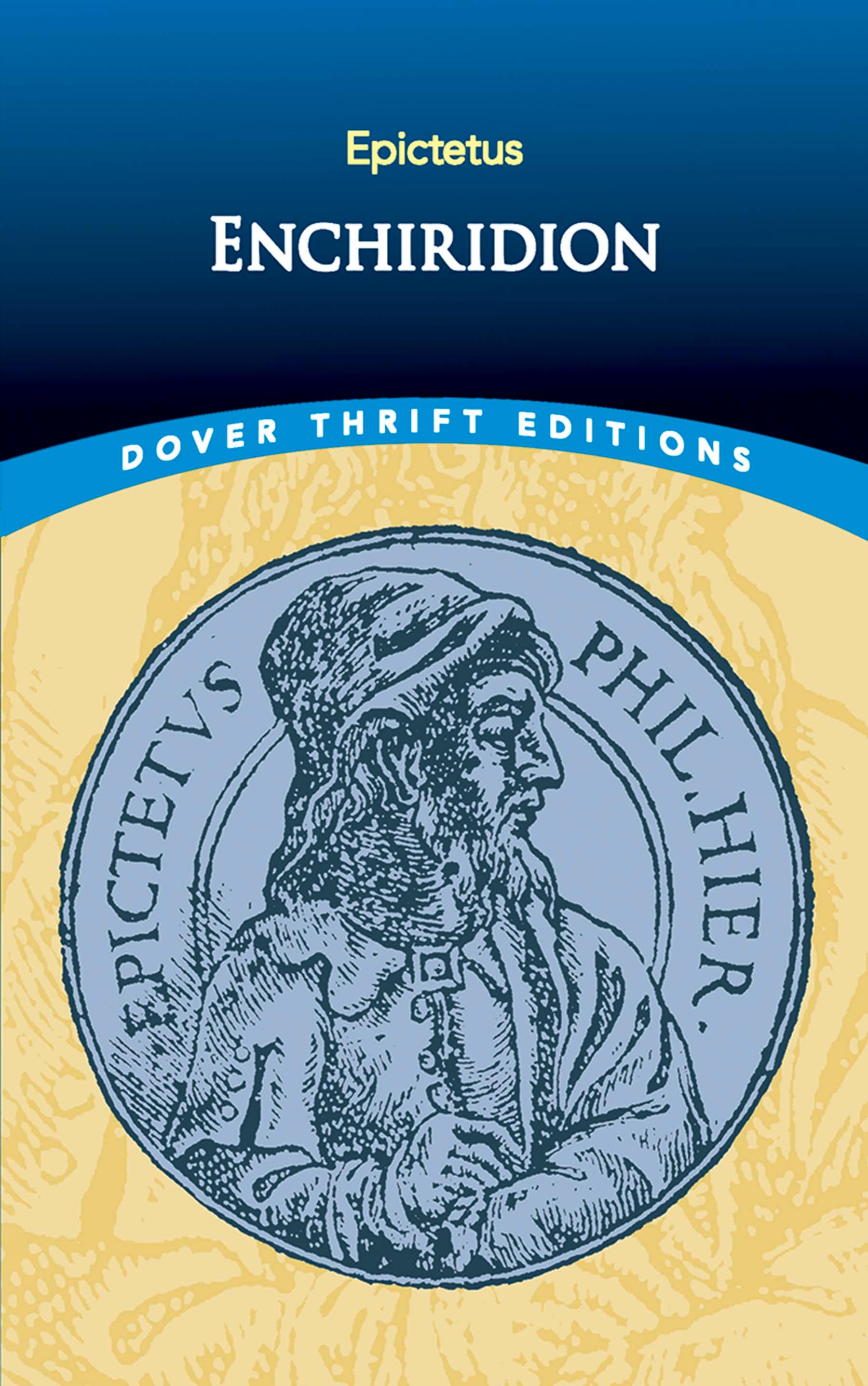
Although he was born into slavery and endured a permanent physical disability, Epictetus (ca. 50–ca. 130 CE) maintained that all people are free to control their lives and live in harmony with nature. We will always be happy, he argued, if we learn to desire that things should be exactly as they are. After attaining his freedom, Epictetus spent his career teaching philosophy and advising a daily regimen of self-examination. His pupil Arrian later collected and published the master's lecture notes; the Enchiridion, or Manual, is a distillation of Epictetus's teachings and an instruction manual for a tranquil life. Full of practical advice, this work offers guidelines for those seeking contentment as well as those who have already made some progress in that direction. Translated by George Long.
Płać wygodnie kartą, Klarną, Apple Pay lub Google Pay. Nie jesteś zadowolony? Zawsze masz 14-dniową gwarancję zwrotu pieniędzy. Więcej przeczytasz w naszych warunkach. Masz pytania? Napisz do nas na hello@memmo.org.
Memmo ułatwia naukę – gdziekolwiek jesteś na świecie. U nas znajdziesz podręczniki i sprytne narzędzia do nauki w jednym miejscu: streszczenia, quizy, podcasty i fiszki. A do tego Ted, Twój kumpel do nauki, który odpowie na wszystko, co Cię nurtuje. Ponad 50 000 studentów już tu się uczy – stworzone, byś uczył się szybciej i mniej stresował.
Może Ci się spodobać
Kup książkę0