
"An uplifting ready for anyone with a hectic and stressful life, which is, let's face it, all of us." — Neil Bradford, Managing Director, Forrester North America
There has been a great deal of talk during the past two decades about the serious problem of stress and burnout. Most of the discussion focuses on the pessimistic side of the story. The underlying assumption is that we are in a fierce struggle, one that we frequently lose. Burnout is presented as almost inevitable, and solutions focusing on recovery are offered.
But there is another, more optimistic side to the story. What about the people who endure tough times with courage and grace, or bounce back from crises with renewed energy when logic tells you the situation should have left them depleted and discouraged? For all the talk about burnout, the fact is that the majority of people spend most of their lives coping amazingly well.
Being good at not burning out is a skill more than a genetic personality trait. Just like any skill, you have to work at it. You can learn to manage your behaviour and your thinking, but it takes discipline and practice to do it.
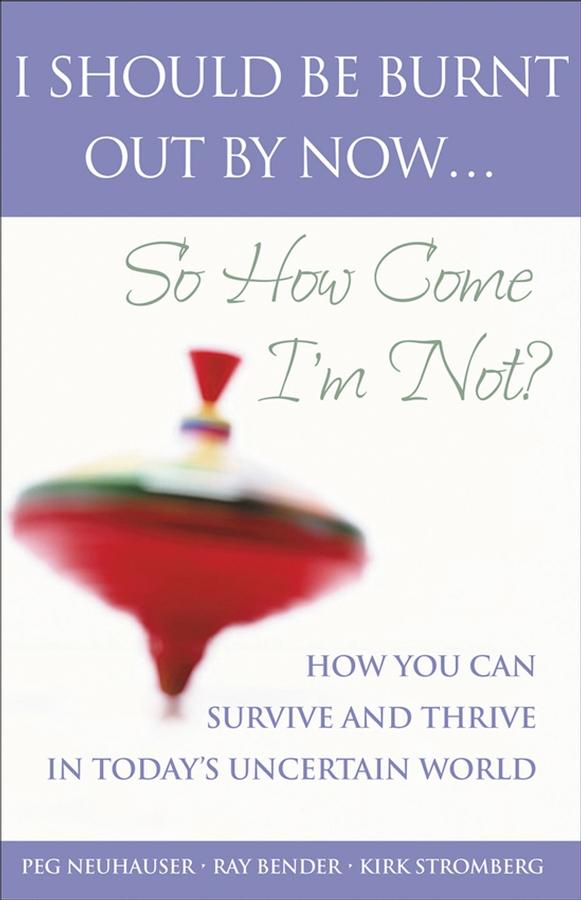
There are thousands of success stories every day about people who continue to survive and make the best of tough times. So how do they do it? What are the real stories of how individuals survive and thrive during uncertain and difficult times? And what is their advice on preventing burnout? This book answers these questions.
There has been a great deal of talk during the past two decades about the serious problem of stress and burnout. Most of the discussion focuses on the pessimistic side of the story. The underlying assumption is that we are in a fierce struggle, one that we frequently lose. Burnout is presented as almost inevitable, and solutions focusing on recovery are offered.
But there is another, more optimistic side to the story. What about the people who endure tough times with courage and grace, or bounce back from crises with renewed energy when logic tells you the situation should have left them depleted and discouraged? For all the talk about burnout, the fact is that the majority of people spend most of their lives coping amazingly well.
Being good at not burning out is a skill more than a genetic personality trait. Just like any skill, you have to work at it. You can learn to manage your behaviour and your thinking, but it takes discipline and practice to do it.
There are thousands of success stories every day about people who continue to survive and make the best of tough times. So how do they do it? What are the real stories of how individuals survive and thrive during uncertain and difficult times? And what is their advice on preventing burnout? This book answers these questions.
Płać wygodnie kartą, Klarną, Apple Pay lub Google Pay. Nie jesteś zadowolony? Zawsze masz 14-dniową gwarancję zwrotu pieniędzy. Więcej przeczytasz w naszych warunkach. Masz pytania? Napisz do nas na hello@memmo.org.
Memmo ułatwia naukę – gdziekolwiek jesteś na świecie. U nas znajdziesz podręczniki i sprytne narzędzia do nauki w jednym miejscu: streszczenia, quizy, podcasty i fiszki. A do tego Ted, Twój kumpel do nauki, który odpowie na wszystko, co Cię nurtuje. Ponad 50 000 studentów już tu się uczy – stworzone, byś uczył się szybciej i mniej stresował.