
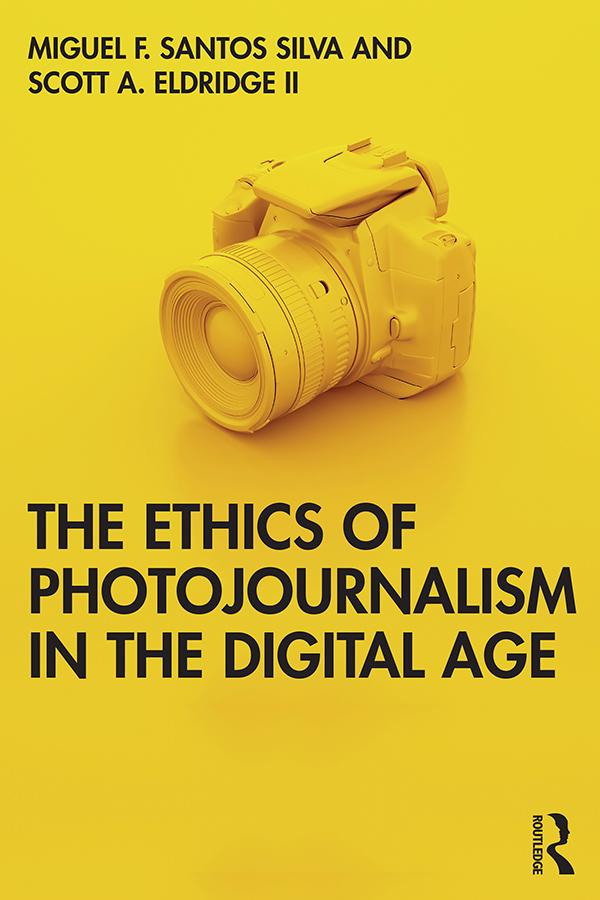
Delving into the complexities of contemporary reportage, this book draws from moral philosophy and histories of photojournalism to understand the emergence of this distinct practice and discuss its evolution in a digital era.
In arguing that the digitization of photography obliges us to radically challenge some of the traditional conceptions of press photography, this book addresses the historic opposition between artistic and journalistic photographs, showing and challenging how this has subtly inspired support for a forensic approach to photojournalism ethics. The book situates this debate within questions of relativism over what is ‘moral’, and normative debates over what is ‘journalistic’, alongside technical debates as to what is ‘possible’, to underpin a discussion of photojournalism as an ethical, moral, and societally important journalistic practice. Including detailed comparative analyses of codes of ethics, examination of controversial cases, and a study of photojournalism ethics as applied in different newsrooms, the book examines how ethical principles are applied by the global news media and explores the potential for constructive dialogue between different voices interested in pursuing the best version of photojournalism.
A targeted, comprehensive and engaging book, this is a valuable resource for academics, researchers and students of photojournalism, as well as philosophy, communications and media studies more broadly.
Płać wygodnie kartą, Klarną, Apple Pay lub Google Pay. Nie jesteś zadowolony? Zawsze masz 14-dniową gwarancję zwrotu pieniędzy. Więcej przeczytasz w naszych warunkach. Masz pytania? Napisz do nas na hello@memmo.org.
Memmo ułatwia naukę – gdziekolwiek jesteś na świecie. U nas znajdziesz podręczniki i sprytne narzędzia do nauki w jednym miejscu: streszczenia, quizy, podcasty i fiszki. A do tego Ted, Twój kumpel do nauki, który odpowie na wszystko, co Cię nurtuje. Ponad 50 000 studentów już tu się uczy – stworzone, byś uczył się szybciej i mniej stresował.