
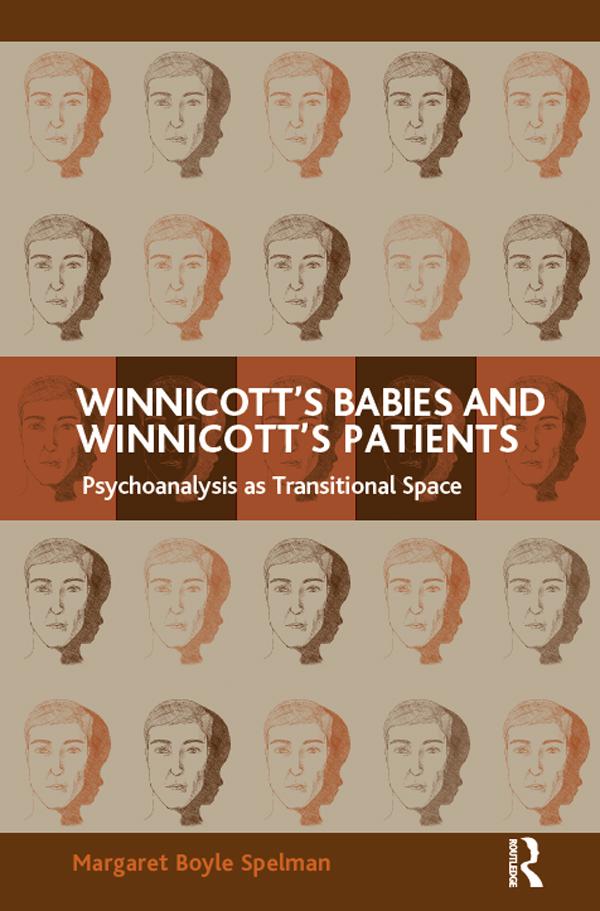
Winnicott's thinking continues to grow in importance in psychoanalysis today. This book can be described as a clinical primer: by presenting her own personal responses to Winnicott and her initial understanding of his thinking, the author tries to help others develop their own 'Winnicott' to assist with their clinical thinking. This book makes explicit the parallel in Winnicott's thinking between the situation of the baby and the 'nursing couple', and the patient and the 'analytic couple'. There are two helpful baby observation pieces which are aimed at first giving something of the experience of completing a baby observation and then of the reporting of it. In addition to these, there are chapters that treat Winnicott's thinking and the comparison of the original baby with the one who appears in the course of an adult therapy. Winnicott's thinking is first situated historically. Then each of his three stages of dependence are explored in detail: absolute dependence, relative dependence, and going towards independence. These are looked at from the viewpoint of the patient/baby and the mother/therapist in both developmental and clinical situations.
Płać wygodnie kartą, Klarną, Apple Pay lub Google Pay. Nie jesteś zadowolony? Zawsze masz 14-dniową gwarancję zwrotu pieniędzy. Więcej przeczytasz w naszych warunkach. Masz pytania? Napisz do nas na hello@memmo.org.
Memmo ułatwia naukę – gdziekolwiek jesteś na świecie. U nas znajdziesz podręczniki i sprytne narzędzia do nauki w jednym miejscu: streszczenia, quizy, podcasty i fiszki. A do tego Ted, Twój kumpel do nauki, który odpowie na wszystko, co Cię nurtuje. Ponad 50 000 studentów już tu się uczy – stworzone, byś uczył się szybciej i mniej stresował.
Może Ci się spodobać
Kup książkę0