
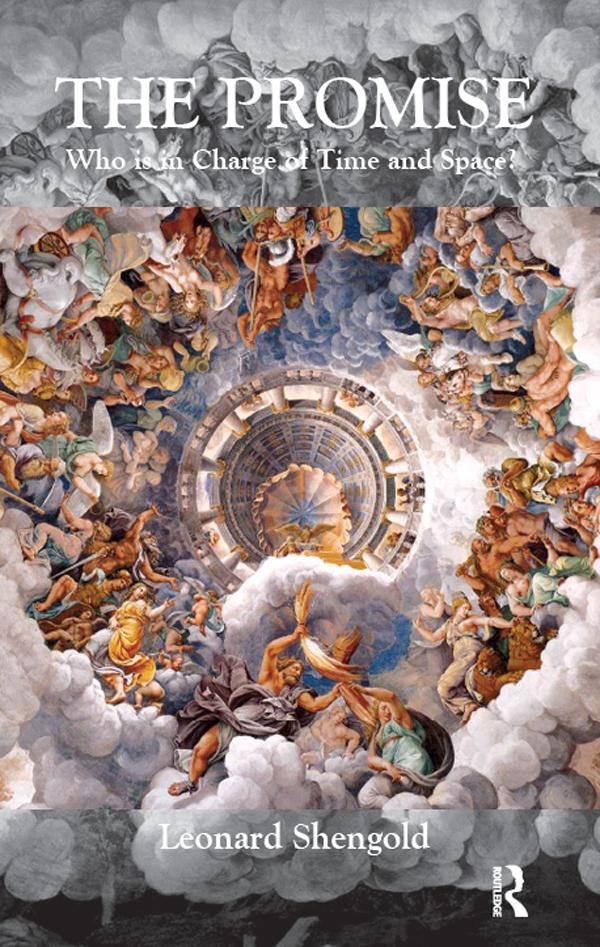
Our sense of identity begins (our psychological birth sometime in the first year of life) with the feeling that we are the centre of the universe, protected by godlike benevolent parents who will enable us to live happily ever after. This is the "Promise" that is never given up, lurking in the unconscious part of our minds. We must learn, reluctantly, that our parents are unable to protect us from the passage of time, from decline, and from death. Yet we retain, even as adults, the delusion that, while others may die, we never will. This adds fuel to the murderous anger we are born with and must master, alongside the contradictory vertical split in the mind that we are destined to die. The "Promise" is described in patients and in examples from biography and fiction in relation to anniversaries and specific holidays. The book ends with a specific illustration in relation to an eight-month-old infant.
Płać wygodnie kartą, Klarną, Apple Pay lub Google Pay. Nie jesteś zadowolony? Zawsze masz 14-dniową gwarancję zwrotu pieniędzy. Więcej przeczytasz w naszych warunkach. Masz pytania? Napisz do nas na hello@memmo.org.
Memmo ułatwia naukę – gdziekolwiek jesteś na świecie. U nas znajdziesz podręczniki i sprytne narzędzia do nauki w jednym miejscu: streszczenia, quizy, podcasty i fiszki. A do tego Ted, Twój kumpel do nauki, który odpowie na wszystko, co Cię nurtuje. Ponad 50 000 studentów już tu się uczy – stworzone, byś uczył się szybciej i mniej stresował.