
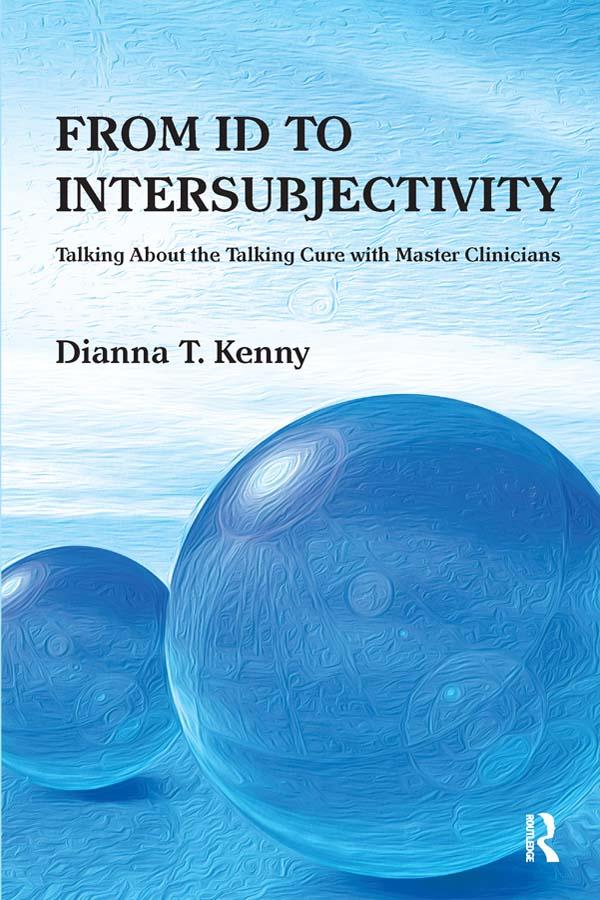
Psychoanalysis has moved a long way from the techniques of classical psychoanalysis but these changes have not been understood or disseminated to the wider community. Even university scholars and students of psychology have an archetypal view of the original form of psychoanalysis and do not appreciate that major changes have occurred. This book commences with a detailed outline of the origins of psychoanalysis and an explanation of key terms, which are often misinterpreted. The second chapter examines the changes that have occurred in theorising and practice over the past 120 years and explores key developments. The following chapters contain an interview with a practitioner working in one of each of the four major branches of modern psychoanalysis - object relations, attachment informed psychotherapy, intensive short-term dynamic psychotherapy, and relational and intersubjective theory. There follows textual, content, conceptual, and thematic analyses of the transcripts of interviews and commentaries on a therapy excerpt exploring commonalities and differences among these theoretical approaches.
Płać wygodnie kartą, Klarną, Apple Pay lub Google Pay. Nie jesteś zadowolony? Zawsze masz 14-dniową gwarancję zwrotu pieniędzy. Więcej przeczytasz w naszych warunkach. Masz pytania? Napisz do nas na hello@memmo.org.
Memmo ułatwia naukę – gdziekolwiek jesteś na świecie. U nas znajdziesz podręczniki i sprytne narzędzia do nauki w jednym miejscu: streszczenia, quizy, podcasty i fiszki. A do tego Ted, Twój kumpel do nauki, który odpowie na wszystko, co Cię nurtuje. Ponad 50 000 studentów już tu się uczy – stworzone, byś uczył się szybciej i mniej stresował.
Może Ci się spodobać
Kup książkę0