
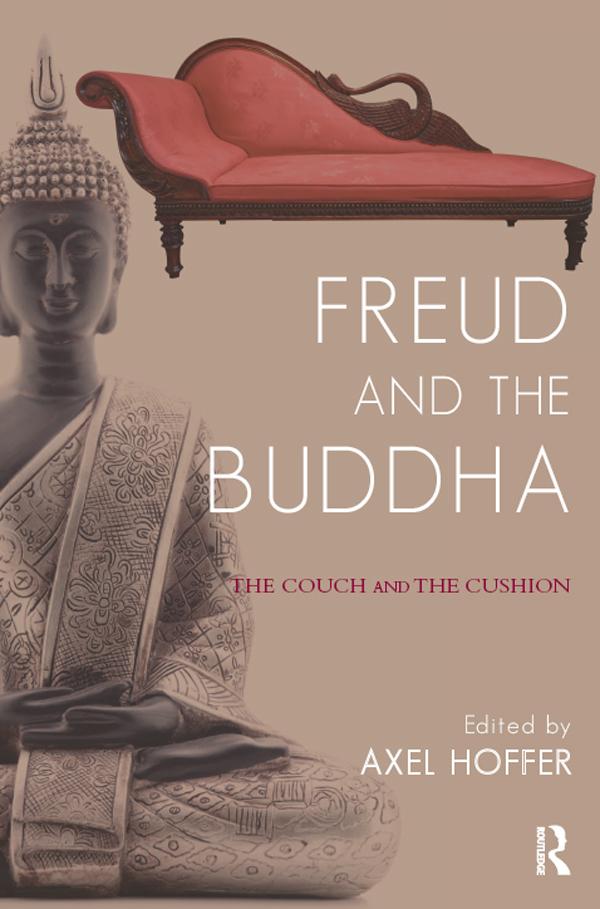
This book investigates what psychoanalysis and Buddhism can learn from each other, and offers chapters by a Buddhist scholar, a psychiatrist-author, and a number of leading psychoanalysts. It begins with a discussion of the basic understanding of both psychoanalysis and Buddhism, viewed not as a religion but as a psychology and a philosophy with ethical principles. The focus of the book rests on the commonality between the psychoanalyst's neutrality as he listens to his freely associating patient, and the Buddhist monk's non-judgmental attention to his mind. The psychoanalytic concepts of free association, the unconscious, transference and countertransference are compared to the implications of the Buddhist principles of impermanence, non-clinging (non-attachment), the hard-to-grasp concept of the "not-self", and the practice of meditation. The differences between the role of the analyst and that of the Buddhist teacher of meditation are explored, and the important difference between the analyst's emphasis on insight and thinking is compared to the Buddhist attention to awareness and experience.
Płać wygodnie kartą, Klarną, Apple Pay lub Google Pay. Nie jesteś zadowolony? Zawsze masz 14-dniową gwarancję zwrotu pieniędzy. Więcej przeczytasz w naszych warunkach. Masz pytania? Napisz do nas na hello@memmo.org.
Memmo ułatwia naukę – gdziekolwiek jesteś na świecie. U nas znajdziesz podręczniki i sprytne narzędzia do nauki w jednym miejscu: streszczenia, quizy, podcasty i fiszki. A do tego Ted, Twój kumpel do nauki, który odpowie na wszystko, co Cię nurtuje. Ponad 50 000 studentów już tu się uczy – stworzone, byś uczył się szybciej i mniej stresował.
Może Ci się spodobać
Kup książkę0