
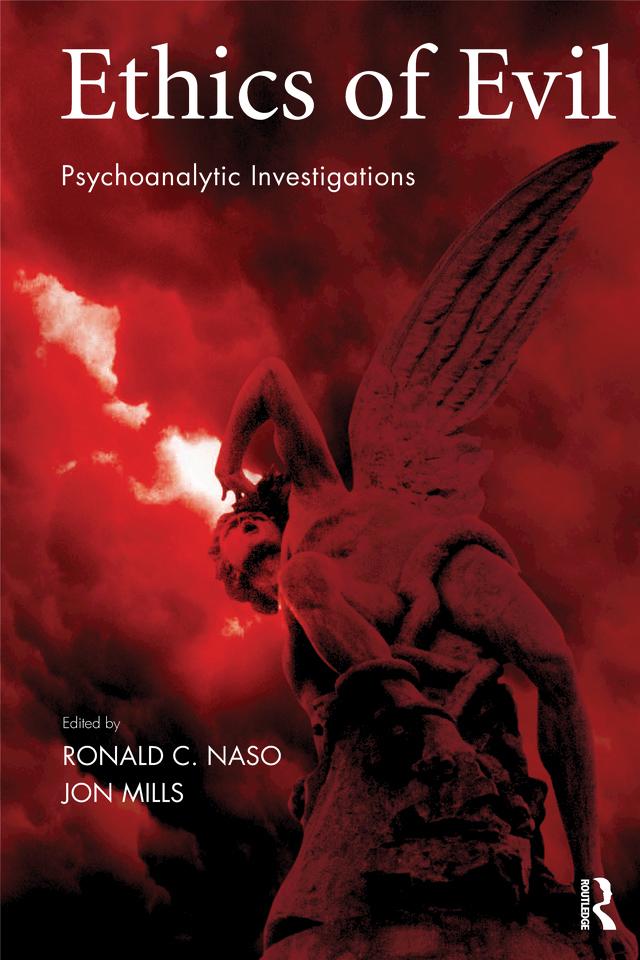
In today's world where every form of transgression enjoys a psychological motive and rational justification, psychoanalysis stands alone in its ability to uncover the hidden motives that inform individual and social collective behaviour. Both in theory and practice, it bears witness to the impact of anonymity on the potential for perpetration, especially when others are experienced as faceless, disposable objects whose otherness is, at bottom, but a projection, displacement, and denial of our own interiority-in short, the evil within. In keeping with this perspective, Ethics of Evil rejects facile rationalizations of violence; it also rejects the idea that evil, as a concept, is inscrutable or animated by demonic forces. Instead, it evaluates the moral framework in which evil is situated, providing a descriptive understanding of it as a plurality and a depth psychological perspective on the threat it poses for our well-being and ways of life. In so doing, it also fashions and articulates an ethical stance that recognizes the intrinsic link between human freedom and the potential for evil.
Płać wygodnie kartą, Klarną, Apple Pay lub Google Pay. Nie jesteś zadowolony? Zawsze masz 14-dniową gwarancję zwrotu pieniędzy. Więcej przeczytasz w naszych warunkach. Masz pytania? Napisz do nas na hello@memmo.org.
Memmo ułatwia naukę – gdziekolwiek jesteś na świecie. U nas znajdziesz podręczniki i sprytne narzędzia do nauki w jednym miejscu: streszczenia, quizy, podcasty i fiszki. A do tego Ted, Twój kumpel do nauki, który odpowie na wszystko, co Cię nurtuje. Ponad 50 000 studentów już tu się uczy – stworzone, byś uczył się szybciej i mniej stresował.