
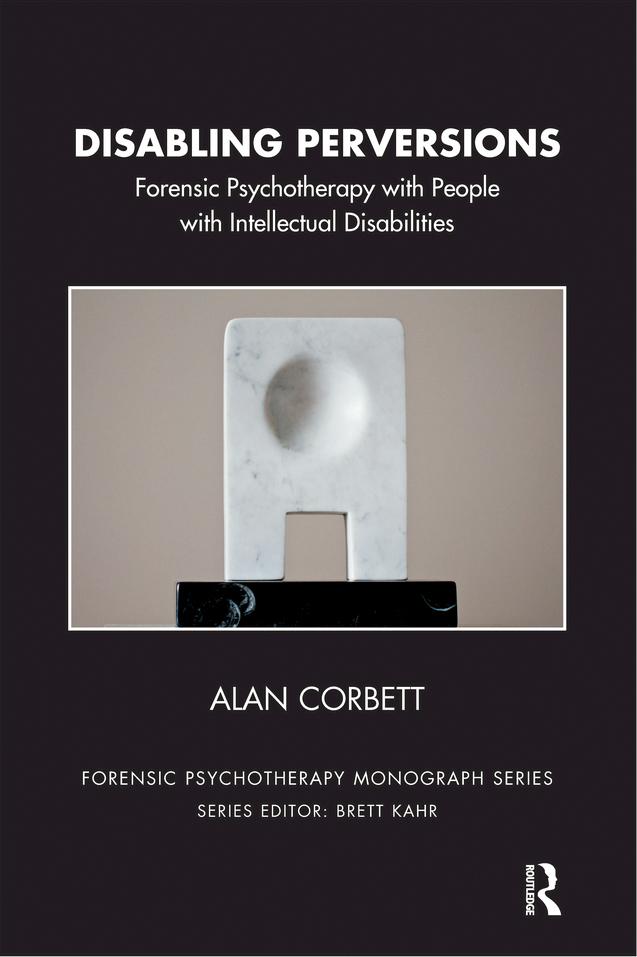
The book offers an overview of how to work with some of the most damaged members of society - children and adults with intellectual disabilities who abuse others. Drawing on insight from two decades of clinical work, the author examines how to assess risk and danger in the forensic disability patient, ways of working therapeutically with patients at all ends of the disability spectrum, and how to support members of the patient's network. Combining psychoanalytic, creative, forensic and systemic thinking, the book provides a template for assessing, managing, containing and treating those who present with multiple diagnoses, including cognitive and physical disabilities, mutism, psychiatric disorders and autism. Both group and individual approaches are examined. As our awareness of the incidence of forensic patients who also have disabilities increases, this work is a timely placing of the forensic disability patient onto the clinical agenda, and has a wide application, being of use to clinicians in the private consulting room, the community, the secure setting and the prison.
Płać wygodnie kartą, Klarną, Apple Pay lub Google Pay. Nie jesteś zadowolony? Zawsze masz 14-dniową gwarancję zwrotu pieniędzy. Więcej przeczytasz w naszych warunkach. Masz pytania? Napisz do nas na hello@memmo.org.
Memmo ułatwia naukę – gdziekolwiek jesteś na świecie. U nas znajdziesz podręczniki i sprytne narzędzia do nauki w jednym miejscu: streszczenia, quizy, podcasty i fiszki. A do tego Ted, Twój kumpel do nauki, który odpowie na wszystko, co Cię nurtuje. Ponad 50 000 studentów już tu się uczy – stworzone, byś uczył się szybciej i mniej stresował.
Może Ci się spodobać
Kup książkę0