
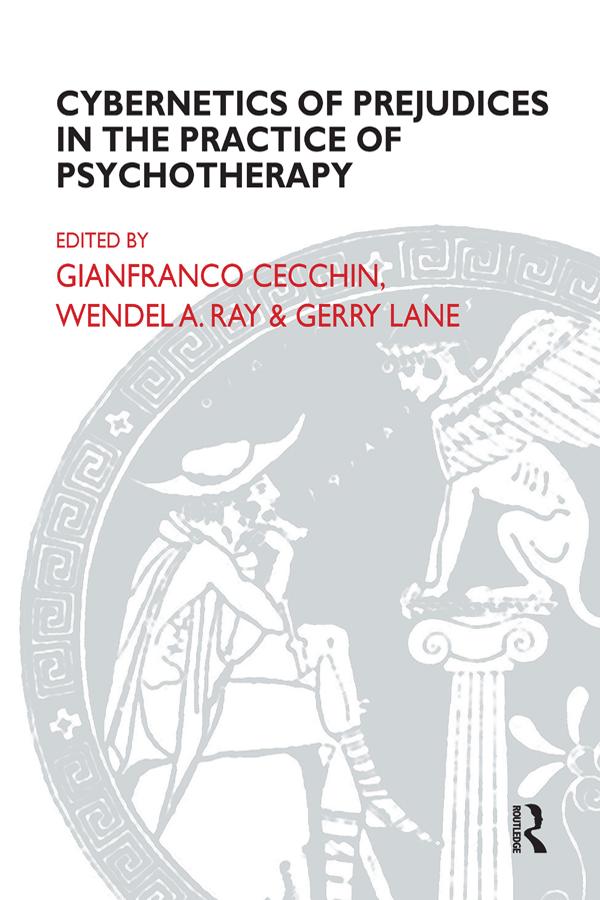
Two central ideas have become part of the orthodoxy of modern family therapy thinking. The first is that the therapist is part of the system he or she observes, and the second is that the therapist and family create a co-evolving reality through their interactions until now. No one has described the process by which these concepts are played out in the course of therapy. Cecchin, Lane and Ray are opening the way for a new field of enquiry in psychotherapy. In this book the authors identify the therapist's values and beliefs which they describe as prejudices, then they identify the equivalent prejudices held by the family, and finally they trace the ways a prejudice from one side affects the other and is, in turn, affected by the other. The book is a blend of theoretical discussion supported by case examples from therapy and the world at large. Readers of this book will discover values about themselves which guide their therapy but have long since been rendered to some unconscious realm: values about certainty, control, accountability and the search for understanding.
Płać wygodnie kartą, Klarną, Apple Pay lub Google Pay. Nie jesteś zadowolony? Zawsze masz 14-dniową gwarancję zwrotu pieniędzy. Więcej przeczytasz w naszych warunkach. Masz pytania? Napisz do nas na hello@memmo.org.
Memmo ułatwia naukę – gdziekolwiek jesteś na świecie. U nas znajdziesz podręczniki i sprytne narzędzia do nauki w jednym miejscu: streszczenia, quizy, podcasty i fiszki. A do tego Ted, Twój kumpel do nauki, który odpowie na wszystko, co Cię nurtuje. Ponad 50 000 studentów już tu się uczy – stworzone, byś uczył się szybciej i mniej stresował.
Może Ci się spodobać
Kup książkę0