
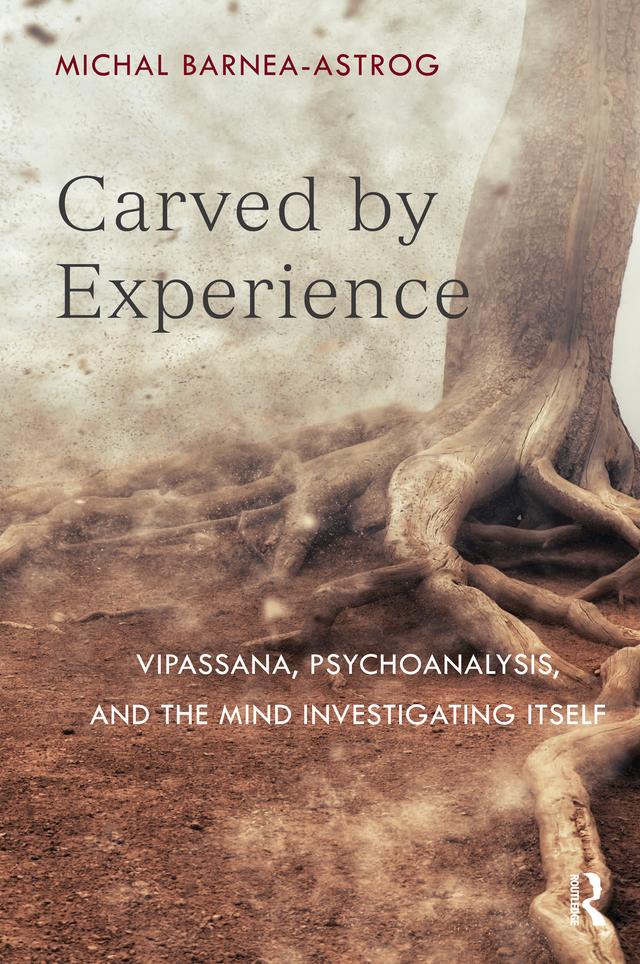
How does the tendency to crave pleasure and reject pain shape our lives? How does it affect the way we perceive reality, and how is it related to the emergence of suffering and the way it is experienced and transmitted? Can we live free of this tendency, beyond the pleasure principle? This book approaches these questions through an examination of the psychoanalytic concepts of projection and projective identification in the light of early Buddhist thought. It looks at the personal and the interpersonal, at theory, meta-theory, and everyday life. It observes how the mind's habits mould the human condition, and investigates its ability to free itself from their domination. It examines the potential of this liberation: to be in touch with reality as it is and live a less reactive, more ethical life.
Płać wygodnie kartą, Klarną, Apple Pay lub Google Pay. Nie jesteś zadowolony? Zawsze masz 14-dniową gwarancję zwrotu pieniędzy. Więcej przeczytasz w naszych warunkach. Masz pytania? Napisz do nas na hello@memmo.org.
Memmo ułatwia naukę – gdziekolwiek jesteś na świecie. U nas znajdziesz podręczniki i sprytne narzędzia do nauki w jednym miejscu: streszczenia, quizy, podcasty i fiszki. A do tego Ted, Twój kumpel do nauki, który odpowie na wszystko, co Cię nurtuje. Ponad 50 000 studentów już tu się uczy – stworzone, byś uczył się szybciej i mniej stresował.
Może Ci się spodobać
Kup książkę0