
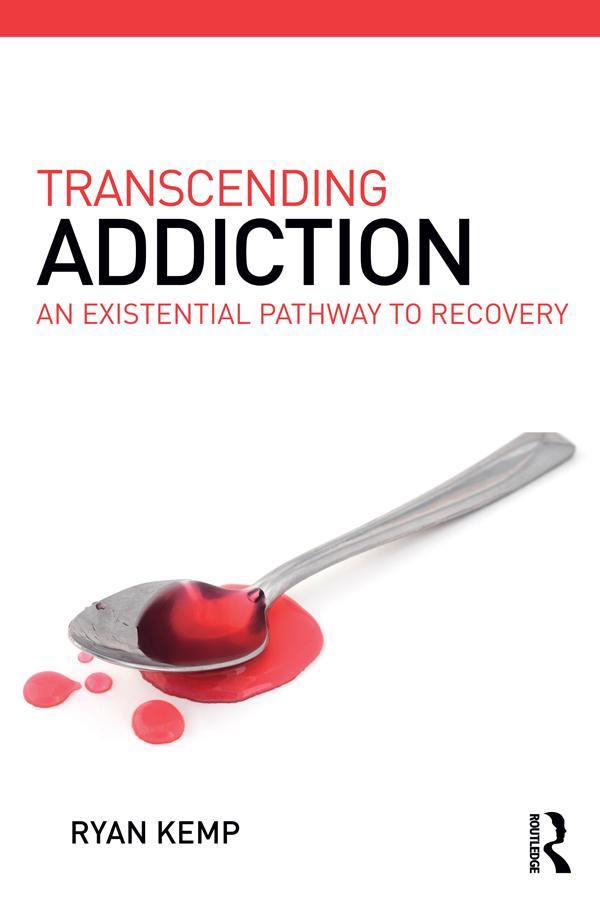
Addiction is often thought about in terms of cause, be that brain chemistry, attachment patterns or cognitive schemas. But this does not allow an understanding of what addiction "is". It does not illuminate how addiction is lived. A phenomenology of addiction reveals that addiction is characterised by an intolerance of pain, a pursuit of pleasure, immediacy, technocratic solutions, alienation, ambiguity and is drenched in deception. These are its individual clinical manifestations, but this is also the way life, in this century, is lived. The addict is thus the ultimate 21st century subject, consuming without end, intolerant of emotion and unable to grasp their own limitations. Rather than embraced, these subjects act as a denied symptom, haunting late capitalism and exposing the vampire-like nature of our culture. As such, these subjects need to be treated not just as individuals who have "gone too far", but as victims of the political agenda shaping our lives. Thus the heart of the book is a description of addiction deepened by existential-phenomenological theory. This description is then used to understand the historical emergence of addiction, its socio-political manifestation and also the crucial issue of how to clinically treat the addict-subject.
Płać wygodnie kartą, Klarną, Apple Pay lub Google Pay. Nie jesteś zadowolony? Zawsze masz 14-dniową gwarancję zwrotu pieniędzy. Więcej przeczytasz w naszych warunkach. Masz pytania? Napisz do nas na hello@memmo.org.
Memmo ułatwia naukę – gdziekolwiek jesteś na świecie. U nas znajdziesz podręczniki i sprytne narzędzia do nauki w jednym miejscu: streszczenia, quizy, podcasty i fiszki. A do tego Ted, Twój kumpel do nauki, który odpowie na wszystko, co Cię nurtuje. Ponad 50 000 studentów już tu się uczy – stworzone, byś uczył się szybciej i mniej stresował.
Może Ci się spodobać
Kup książkę0