
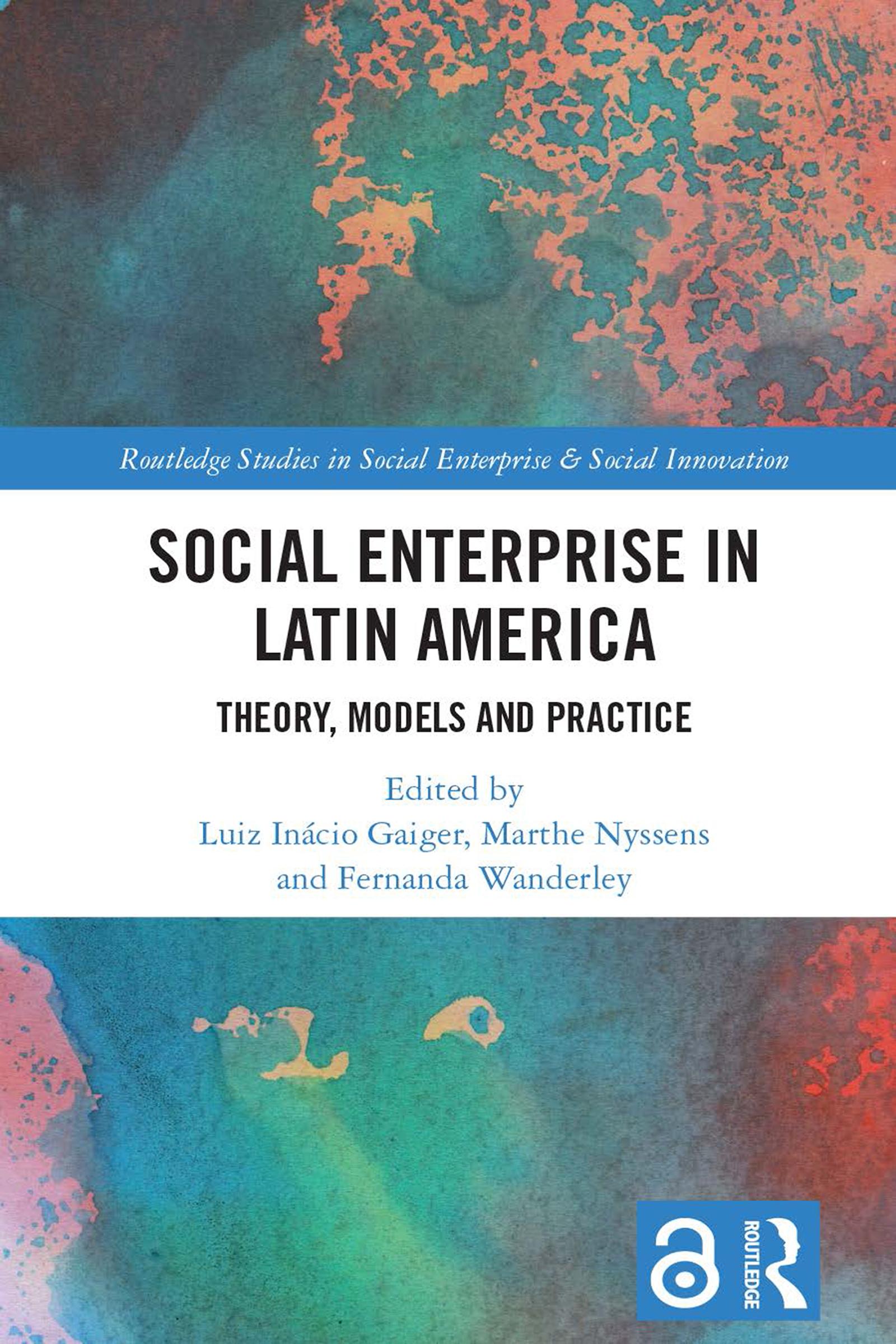
In the absence of a widely accepted and common definition of social enterprise (SE), a large research project, the "International Comparative Social Enterprise Models" (ICSEM) Project, was carried out over a five-year period; it involved more than 200 researchers from 55 countries and relied on bottom-up approaches to capture the SE phenomenon. This strategy made it possible to take into account and give legitimacy to locally embedded approaches, thus resulting in an analysis encompassing a wide diversity of social enterprises, while simultaneously allowing for the identification of major SE models to delineate the field on common grounds at the international level.
These SE models reveal or confirm an overall trend towards new ways of sharing the responsibility for the common good in today’s economies and societies. We tend to consider as good news the fact that social enterprises actually stem from all parts of the economy. Indeed, societies are facing many complex challenges at all levels, from the local to the global level. The diversity and internal variety of SE models are a sign of a broadly shared willingness to develop appropriate although sometimes embryonic—responses to these challenges, on the basis of innovative economic/business models driven by a social mission. In spite of their weaknesses, social enterprises may be seen as advocates for and vehicles of the general interest across the whole economy. Of course, the debate about privatisation, deregulation and globalised market competition—all factors that may hinder efforts in the search for the common good–has to be addressed as well.
The second of a series of four ICSEM books, Social Enterprise in Latin America will serve as a key reference and resource for teachers, researchers, students, experts, policy makers, journalists and other categories of people who want to acquire a broad understanding of the phenomena of social enterprise and social entrepreneurship as they emerge and develop across the world.
Płać wygodnie kartą, Klarną, Apple Pay lub Google Pay. Nie jesteś zadowolony? Zawsze masz 14-dniową gwarancję zwrotu pieniędzy. Więcej przeczytasz w naszych warunkach. Masz pytania? Napisz do nas na hello@memmo.org.
Memmo ułatwia naukę – gdziekolwiek jesteś na świecie. U nas znajdziesz podręczniki i sprytne narzędzia do nauki w jednym miejscu: streszczenia, quizy, podcasty i fiszki. A do tego Ted, Twój kumpel do nauki, który odpowie na wszystko, co Cię nurtuje. Ponad 50 000 studentów już tu się uczy – stworzone, byś uczył się szybciej i mniej stresował.