
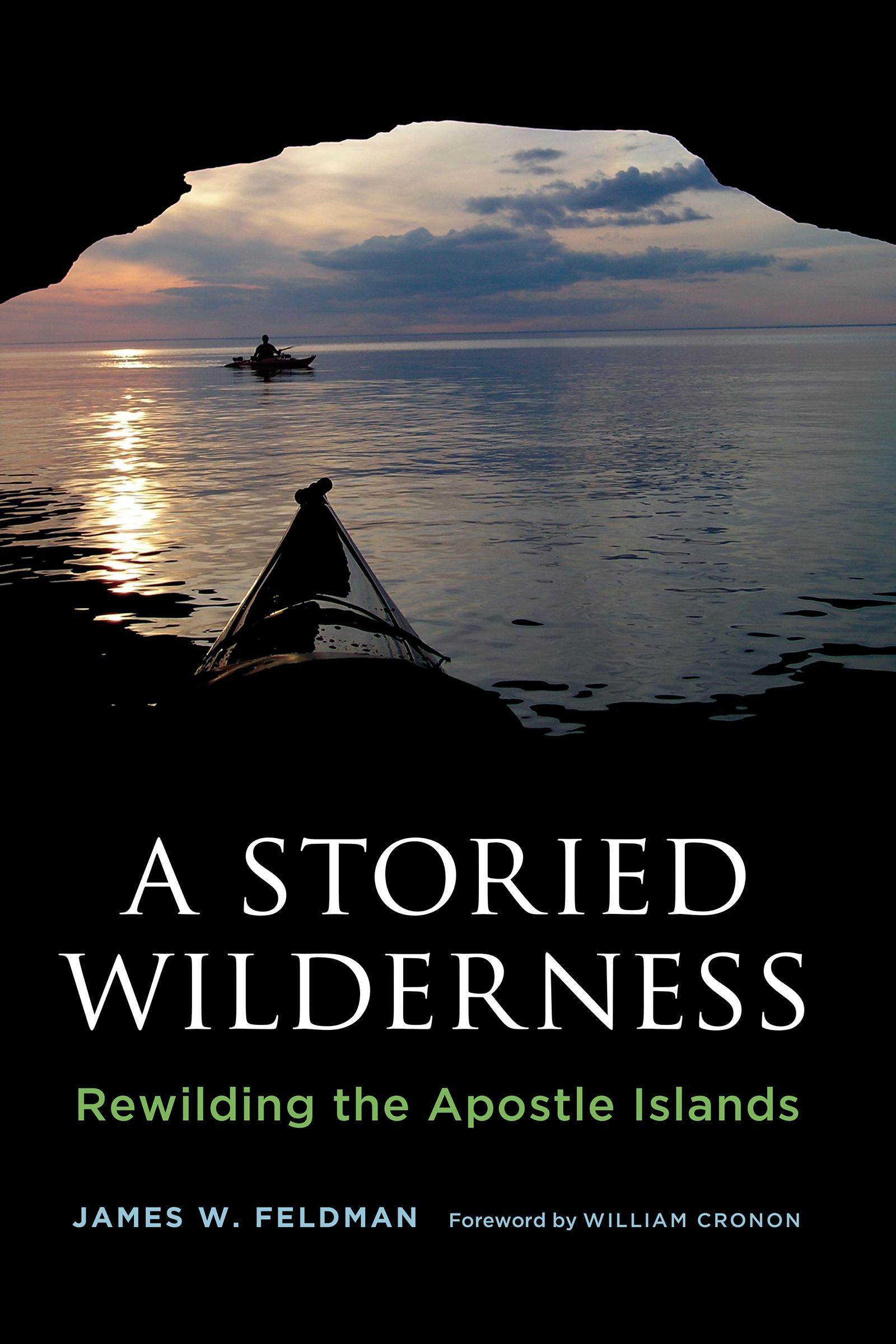
The Apostle Islands are a solitary place of natural beauty, with red sandstone cliffs, secluded beaches, and a rich and unique forest surrounded by the cold, blue waters of Lake Superior. But this seemingly pristine wilderness has been shaped and reshaped by humans. The people who lived and worked in the Apostles built homes, cleared fields, and cut timber in the island forests. The consequences of human choices made more than a century ago can still be read in today’s wild landscapes.
A Storied Wilderness traces the complex history of human interaction with the Apostle Islands. In the 1930s, resource extraction made it seem like the islands’ natural beauty had been lost forever. But as the island forests regenerated, the ways that people used and valued the islands changed - human and natural processes together led to the rewilding of the Apostles. In 1970, the Apostles were included in the national park system and ultimately designated as the Gaylord Nelson Wilderness.
How should we understand and value wild places with human pasts? James Feldman argues convincingly that such places provide the opportunity to rethink the human place in nature. The Apostle Islands are an ideal setting for telling the national story of how we came to equate human activity with the loss of wilderness characteristics, when in reality all of our cherished wild places are the products of the complicated interactions between human and natural history.
Płać wygodnie kartą, Klarną, Apple Pay lub Google Pay. Nie jesteś zadowolony? Zawsze masz 14-dniową gwarancję zwrotu pieniędzy. Więcej przeczytasz w naszych warunkach. Masz pytania? Napisz do nas na hello@memmo.org.
Memmo ułatwia naukę – gdziekolwiek jesteś na świecie. U nas znajdziesz podręczniki i sprytne narzędzia do nauki w jednym miejscu: streszczenia, quizy, podcasty i fiszki. A do tego Ted, Twój kumpel do nauki, który odpowie na wszystko, co Cię nurtuje. Ponad 50 000 studentów już tu się uczy – stworzone, byś uczył się szybciej i mniej stresował.