
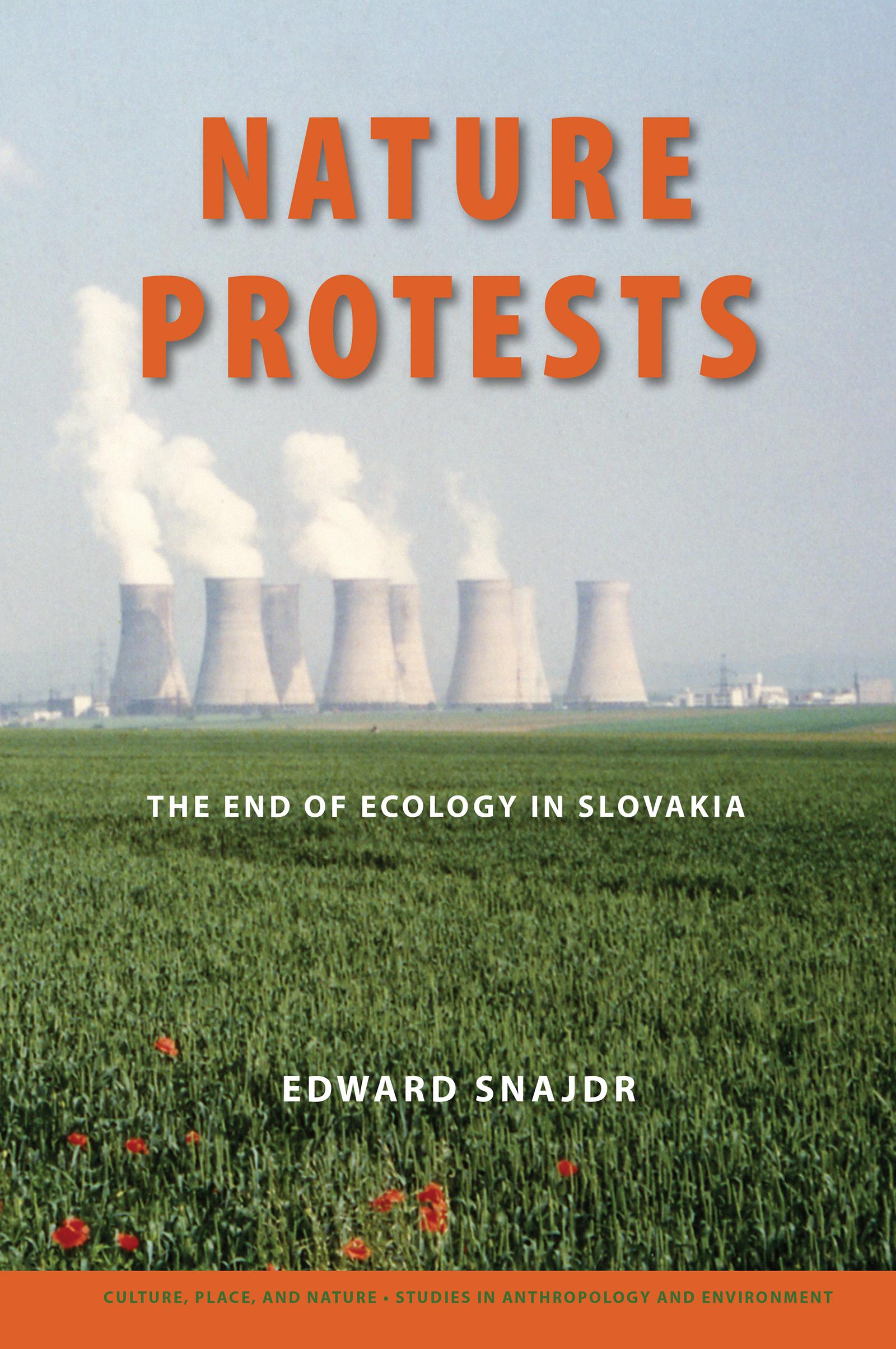
As societies around the world are challenged to respond to ever growing environmental crises, it has become increasingly important for activists, policy makers, and environmental practitioners to understand the dynamic relationship between environmental movements and the state. In communist Eastern Europe, environmental activism fueled the rise of democratic movements and the overthrow of totalitarianism. Yet, as this study of environmentalism in Slovakia shows, concern for the environment declined during the post-communist period, an ironic victim of its own earlier success.
Through ethnographic interviews and archival materials, Edward Snajdr explains why Slovakia's ecology movement, so strong under socialism, fell apart so rapidly despite the persistence of serious environmental problems in the region. Synthesizing theory in anthropology and political ecology, he suggests that the fate of environmentalism in Slovakia marks the beginning of a global post-ecological age, where nature is culturally maginalized in new ways.
In addition to its significance for policy makers, this book will be a valuable resource for anthropologists, sociologists, political ecologists, and scholars of East European and post-Soviet studies.
Płać wygodnie kartą, Klarną, Apple Pay lub Google Pay. Nie jesteś zadowolony? Zawsze masz 14-dniową gwarancję zwrotu pieniędzy. Więcej przeczytasz w naszych warunkach. Masz pytania? Napisz do nas na hello@memmo.org.
Memmo ułatwia naukę – gdziekolwiek jesteś na świecie. U nas znajdziesz podręczniki i sprytne narzędzia do nauki w jednym miejscu: streszczenia, quizy, podcasty i fiszki. A do tego Ted, Twój kumpel do nauki, który odpowie na wszystko, co Cię nurtuje. Ponad 50 000 studentów już tu się uczy – stworzone, byś uczył się szybciej i mniej stresował.