
Winner of the 2023 Bei Shan Tang Monograph Prize, sponsored by the Association for Asian Studies
How imperial ideology is given shape in built space
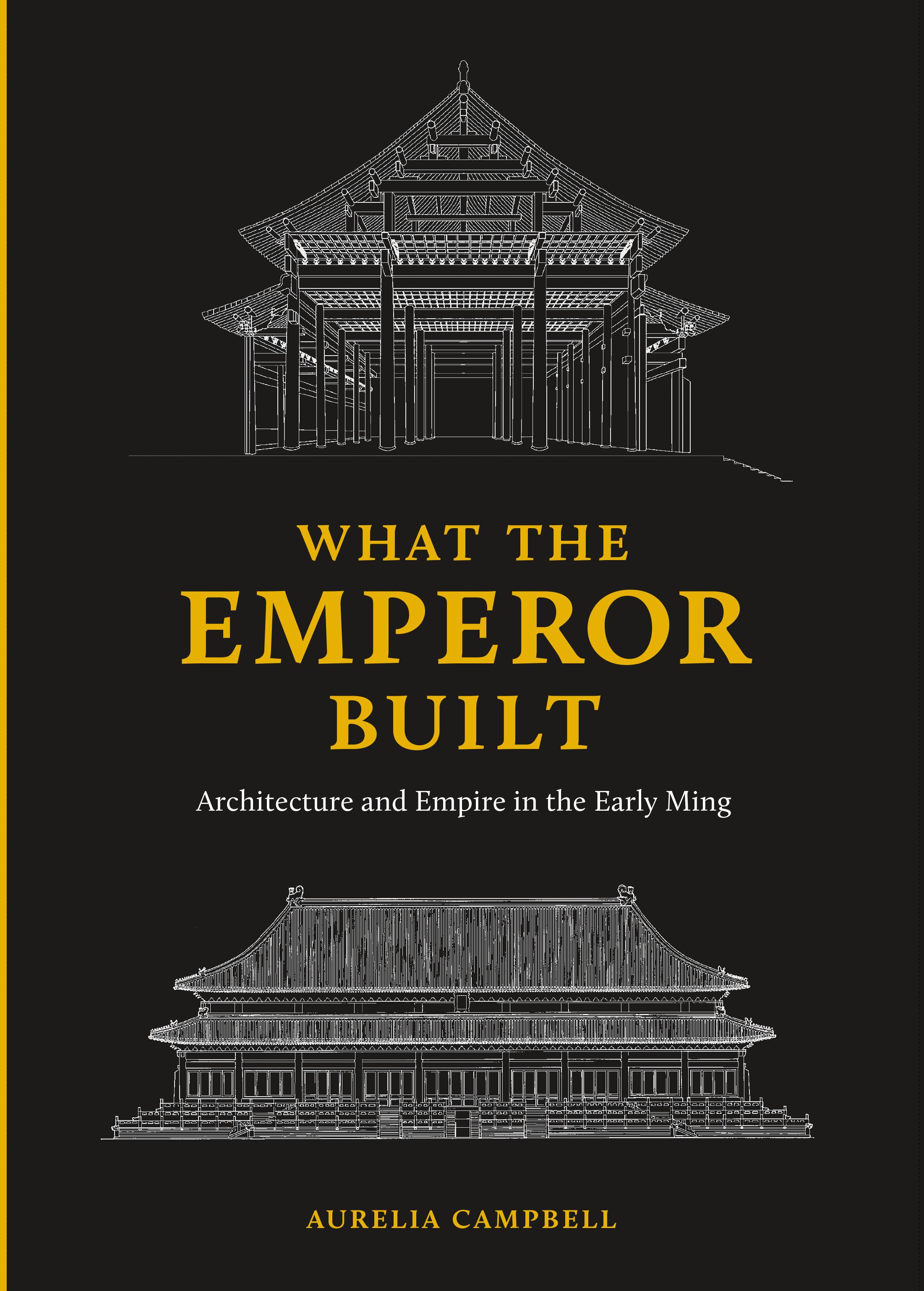
One of the most famous rulers in Chinese history, the Yongle emperor (r. 1402–24) gained renown for constructing Beijing’s magnificent Forbidden City, directing ambitious naval expeditions, and creating the world’s largest encyclopedia. What the Emperor Built is the first book-length study devoted to the architectural projects of a single Chinese emperor.
Focusing on the imperial palaces in Beijing, a Daoist architectural complex on Mount Wudang, and a Buddhist temple on the Sino-Tibetan frontier, Aurelia Campbell demonstrates how the siting, design, and use of Yongle’s palaces and temples helped cement his authority and legitimize his usurpation of power. Campbell offers insight into Yongle’s sense of empire—from the far-flung locations in which he built, to the distant regions from which he extracted construction materials, and to the use of tens of thousands of craftsmen and other laborers. Through his constructions, Yongle connected himself to the divine, interacted with his subjects, and extended imperial influence across space and time.
Spanning issues of architectural design and construction technologies, this deft analysis reveals remarkable advancements in timber-frame construction and implements an art-historical approach to examine patronage, audience, and reception, situating the buildings within their larger historical and religious contexts.
Płać wygodnie kartą, Klarną, Apple Pay lub Google Pay. Nie jesteś zadowolony? Zawsze masz 14-dniową gwarancję zwrotu pieniędzy. Więcej przeczytasz w naszych warunkach. Masz pytania? Napisz do nas na hello@memmo.org.
Memmo ułatwia naukę – gdziekolwiek jesteś na świecie. U nas znajdziesz podręczniki i sprytne narzędzia do nauki w jednym miejscu: streszczenia, quizy, podcasty i fiszki. A do tego Ted, Twój kumpel do nauki, który odpowie na wszystko, co Cię nurtuje. Ponad 50 000 studentów już tu się uczy – stworzone, byś uczył się szybciej i mniej stresował.