
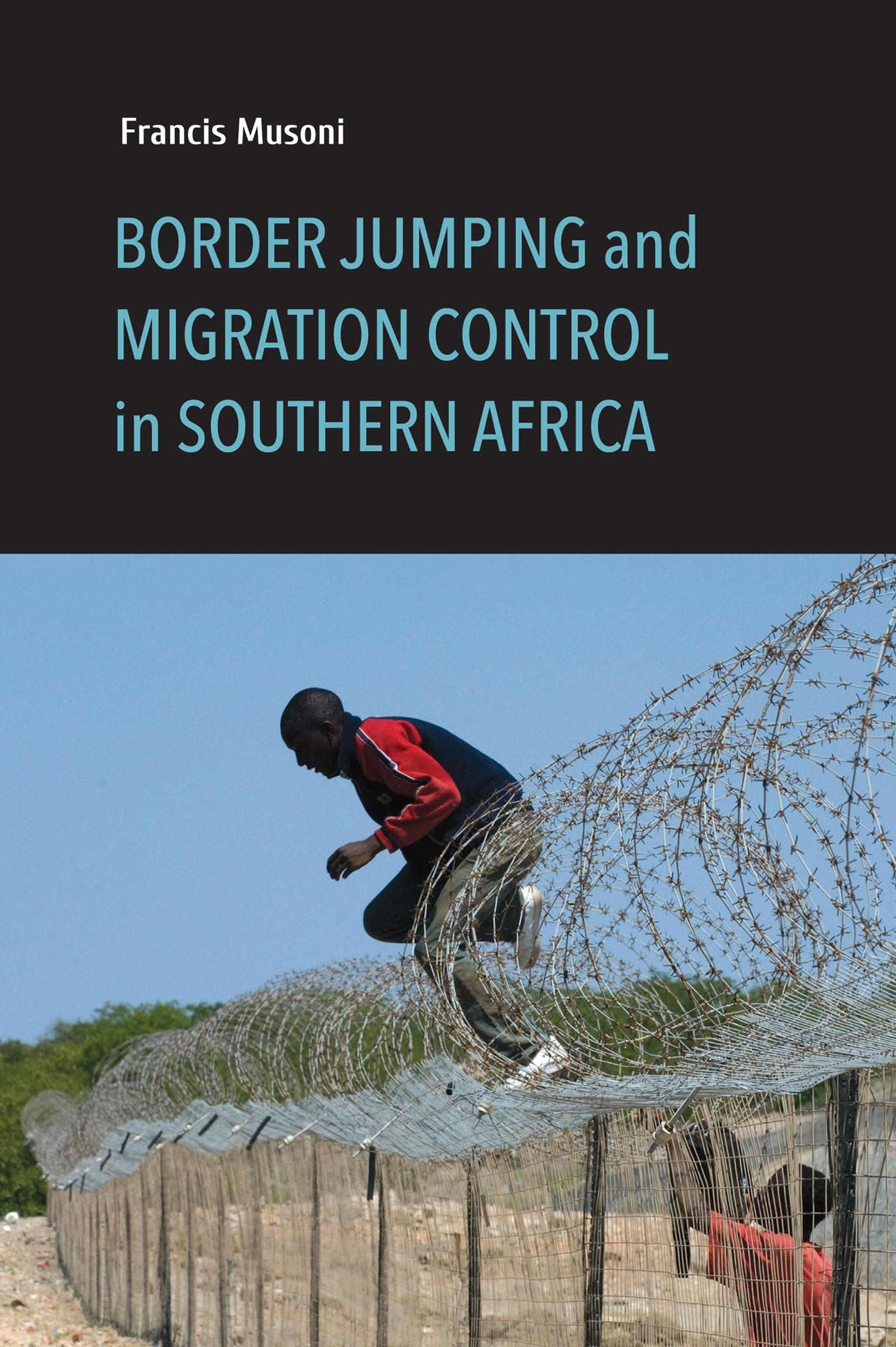
With the end of apartheid rule in South Africa and the ongoing economic crisis in Zimbabwe, the border between these Southern African countries has become one of the busiest inland ports of entry in the world. As border crossers wait for clearance, crime, violence, and illegal entries have become rampant. Francis Musoni observes that border jumping has become a way of life for many of those who live on both sides of the Limpopo River and he explores the reasons for this, including searches for better paying jobs and access to food and clothing at affordable prices. Musoni sets these actions into a framework of illegality. He considers how countries have failed to secure their borders, why passports are denied to travelers, and how border jumping has become a phenomenon with a long history, especially in Africa. Musoni emphasizes cross-border travelers' active participation in the making of this history and how clandestine mobility has presented opportunity and creative possibilities for those who are willing to take the risk.
Płać wygodnie kartą, Klarną, Apple Pay lub Google Pay. Nie jesteś zadowolony? Zawsze masz 14-dniową gwarancję zwrotu pieniędzy. Więcej przeczytasz w naszych warunkach. Masz pytania? Napisz do nas na hello@memmo.org.
Memmo ułatwia naukę – gdziekolwiek jesteś na świecie. U nas znajdziesz podręczniki i sprytne narzędzia do nauki w jednym miejscu: streszczenia, quizy, podcasty i fiszki. A do tego Ted, Twój kumpel do nauki, który odpowie na wszystko, co Cię nurtuje. Ponad 50 000 studentów już tu się uczy – stworzone, byś uczył się szybciej i mniej stresował.