
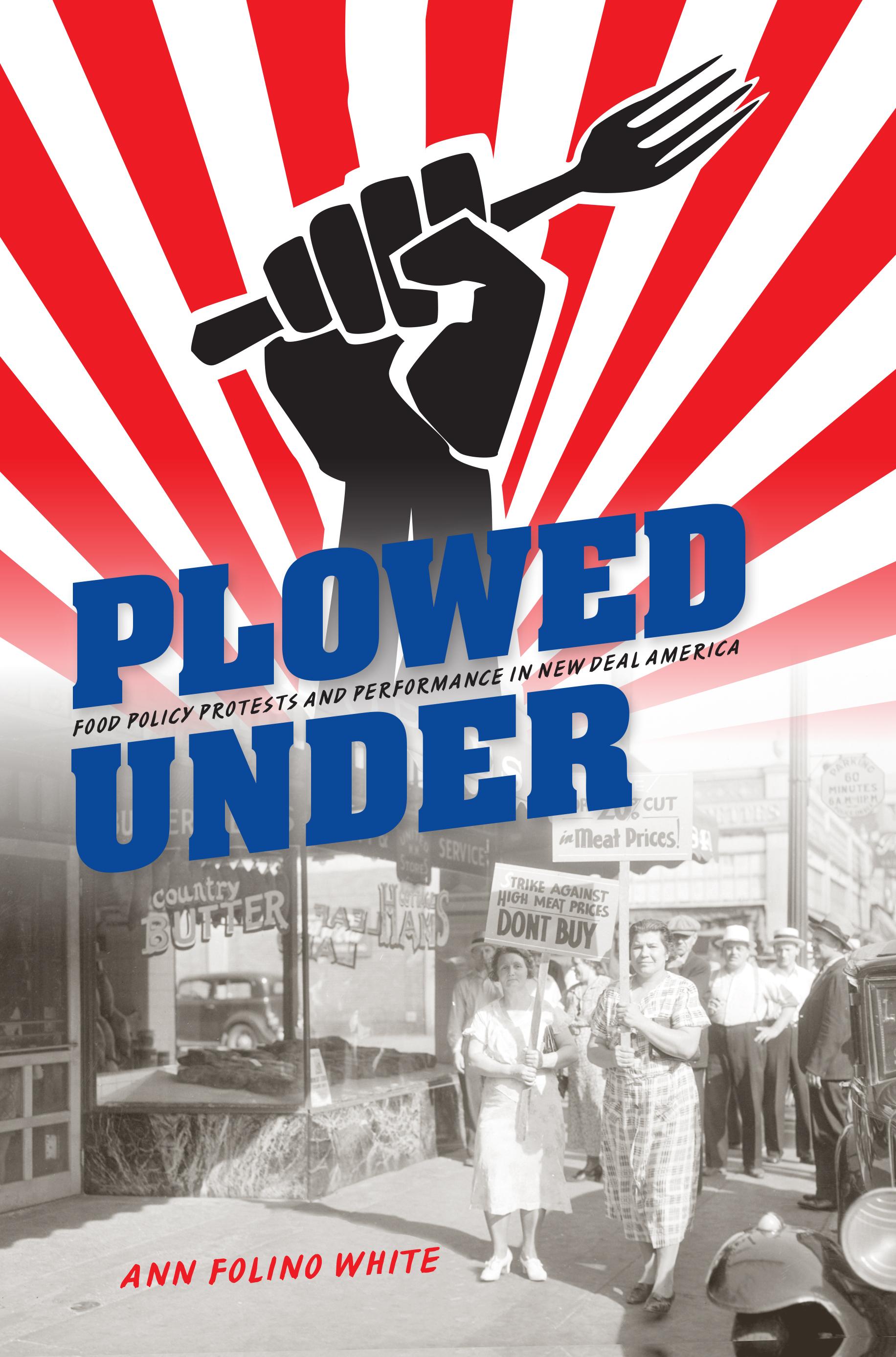
During the Great Depression, with thousands on bread lines, farmers were instructed by the New Deal Agricultural Adjustment Act to produce less food in order to stabilize food prices and restore the market economy. Fruit was left to rot on trees, crops were plowed under, and millions of piglets and sows were slaughtered and discarded. Many Americans saw the government action as a senseless waste of food that left the hungry to starve, initiating public protests against food and farm policy. White approaches these events as performances where competing notions of morality and citizenship were acted out, often along lines marked by class, race, and gender. The actions range from the "Milk War" that pitted National Guardsmen against dairymen, who were dumping milk, to the meat boycott staged by Polish-American women in Michigan, and from the black sharecroppers' protest to restore agricultural jobs in Missouri to the protest theater of the Federal Theater Project. White provides a riveting account of the theatrical strategies used by consumers, farmers, agricultural laborers, and the federal government to negotiate competing rights to food and the moral contradictions of capitalist society in times of economic crisis.
Płać wygodnie kartą, Klarną, Apple Pay lub Google Pay. Nie jesteś zadowolony? Zawsze masz 14-dniową gwarancję zwrotu pieniędzy. Więcej przeczytasz w naszych warunkach. Masz pytania? Napisz do nas na hello@memmo.org.
Memmo ułatwia naukę – gdziekolwiek jesteś na świecie. U nas znajdziesz podręczniki i sprytne narzędzia do nauki w jednym miejscu: streszczenia, quizy, podcasty i fiszki. A do tego Ted, Twój kumpel do nauki, który odpowie na wszystko, co Cię nurtuje. Ponad 50 000 studentów już tu się uczy – stworzone, byś uczył się szybciej i mniej stresował.