
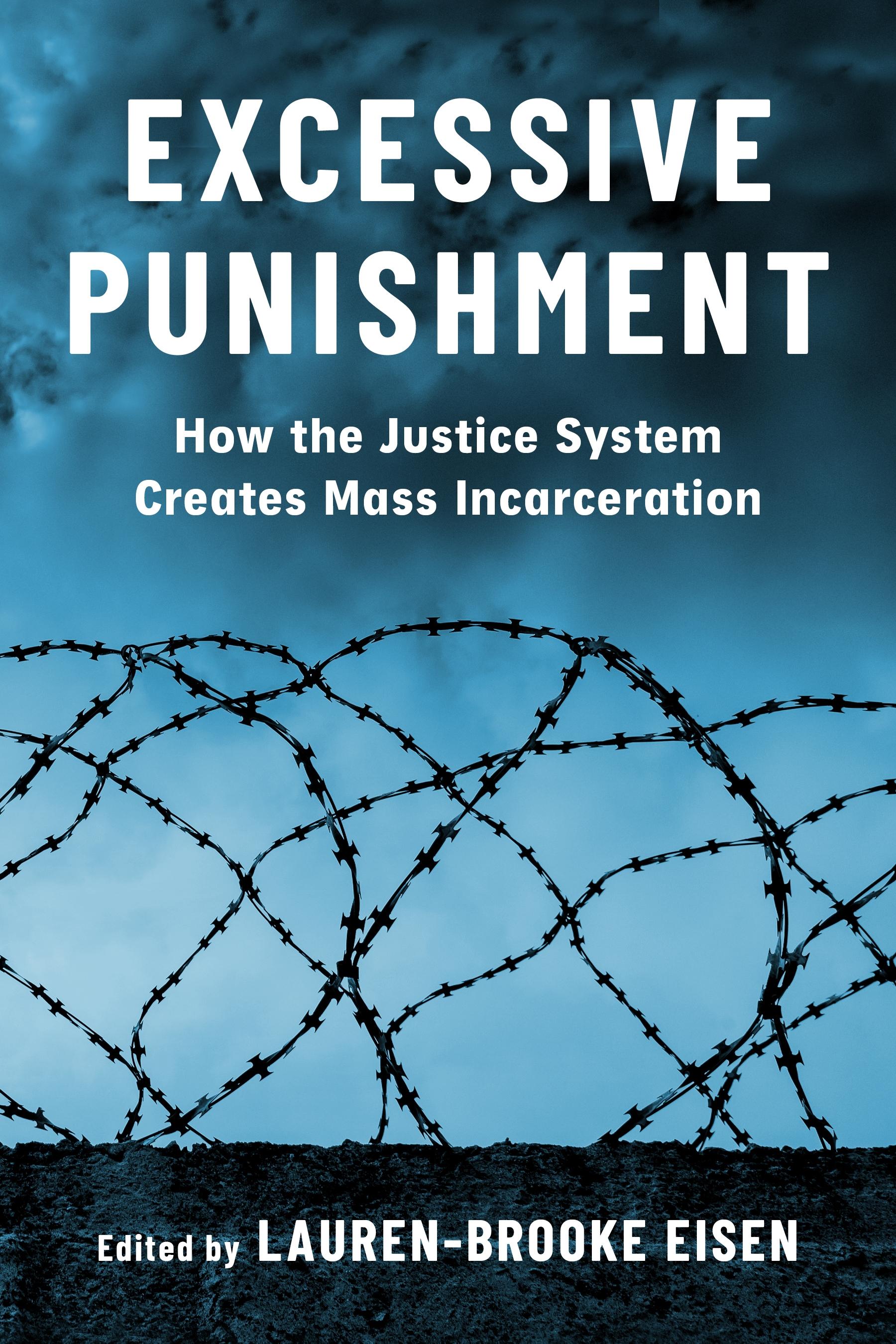
The United States has by far the world’s largest population of incarcerated people. More than a million Americans are imprisoned; hundreds of thousands more are held in jails. This vast system has doled out punishment—particularly to people from marginalized groups—on an unfathomable scale. At the same time, it has manifestly failed to secure public safety, instead perpetuating inequalities and recidivism. Why does the United States see punishment as the main response to social harm, and what are the alternatives?
This book brings together essays by scholars, practitioners, activists, and writers, including incarcerated and formerly incarcerated people, to explore the harms of this punitive approach. The chapters address a range of issues, from policing to prosecution, and from how people are treated in prison to the consequences of a criminal conviction. Together, they consider a common theme: We cannot reduce our dependence on mass incarceration until we confront our impulse to punish in ways that are excessive, often wildly disproportionate to the harm caused. Essays trace how a maze of local, state, and federal agencies have contributed to mass incarceration and deterred attempts at reform. They shed light on how the excesses of America’s criminal legal system are entwined with poverty, racism, and the legacy of slavery. A wide-ranging and powerful look at the failures of the status quo, Excessive Punishment also considers how to reimagine the justice system to support restoration instead of retribution.
Płać wygodnie kartą, Klarną, Apple Pay lub Google Pay. Nie jesteś zadowolony? Zawsze masz 14-dniową gwarancję zwrotu pieniędzy. Więcej przeczytasz w naszych warunkach. Masz pytania? Napisz do nas na hello@memmo.org.
Memmo ułatwia naukę – gdziekolwiek jesteś na świecie. U nas znajdziesz podręczniki i sprytne narzędzia do nauki w jednym miejscu: streszczenia, quizy, podcasty i fiszki. A do tego Ted, Twój kumpel do nauki, który odpowie na wszystko, co Cię nurtuje. Ponad 50 000 studentów już tu się uczy – stworzone, byś uczył się szybciej i mniej stresował.