
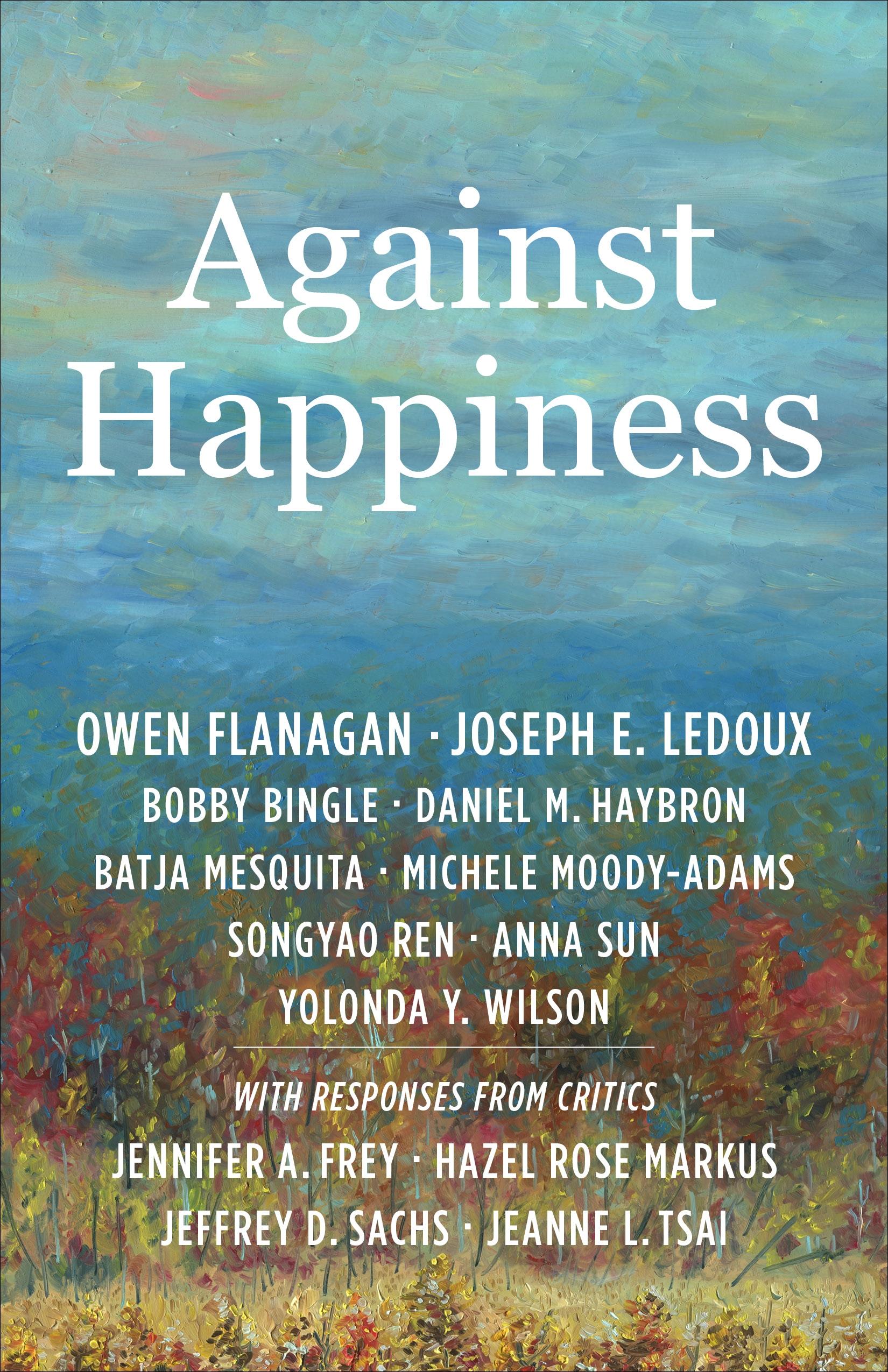
Against Happiness
The “happiness agenda” is a worldwide movement that claims that happiness is the highest good, happiness can be measured, and public policy should promote happiness. Against Happiness is a thorough and powerful critique of this program, revealing the flaws of its concept of happiness and advocating a renewed focus on equality and justice.
Written by an interdisciplinary team of authors, this book provides both theoretical and empirical analysis of the limitations of the happiness agenda. The authors emphasize that this movement draws on a parochial, Western-centric philosophical basis and demographic sample. They show that happiness defined as subjective satisfaction or a surplus of positive emotions bears little resemblance to the richer and more nuanced concepts of the good life found in many world traditions. Cross-cultural philosophy, comparative theology, and social and cultural psychology all teach that cultures and subcultures vary in how much value they place on life satisfaction or feeling happy. Furthermore, the ideas promoted by the happiness agenda can compete with rights, justice, sustainability, and equality—and even conceal racial and gender injustice.
Against Happiness argues that a better way forward requires integration of cross-cultural philosophical, ethical, and political thought with critical social science. Ultimately, the authors contend, happiness should be a secondary goal—worth pursuing only if it is contingent on the demands of justice.
Płać wygodnie kartą, Klarną, Apple Pay lub Google Pay. Nie jesteś zadowolony? Zawsze masz 14-dniową gwarancję zwrotu pieniędzy. Więcej przeczytasz w naszych warunkach. Masz pytania? Napisz do nas na hello@memmo.org.
Memmo ułatwia naukę – gdziekolwiek jesteś na świecie. U nas znajdziesz podręczniki i sprytne narzędzia do nauki w jednym miejscu: streszczenia, quizy, podcasty i fiszki. A do tego Ted, Twój kumpel do nauki, który odpowie na wszystko, co Cię nurtuje. Ponad 50 000 studentów już tu się uczy – stworzone, byś uczył się szybciej i mniej stresował.