
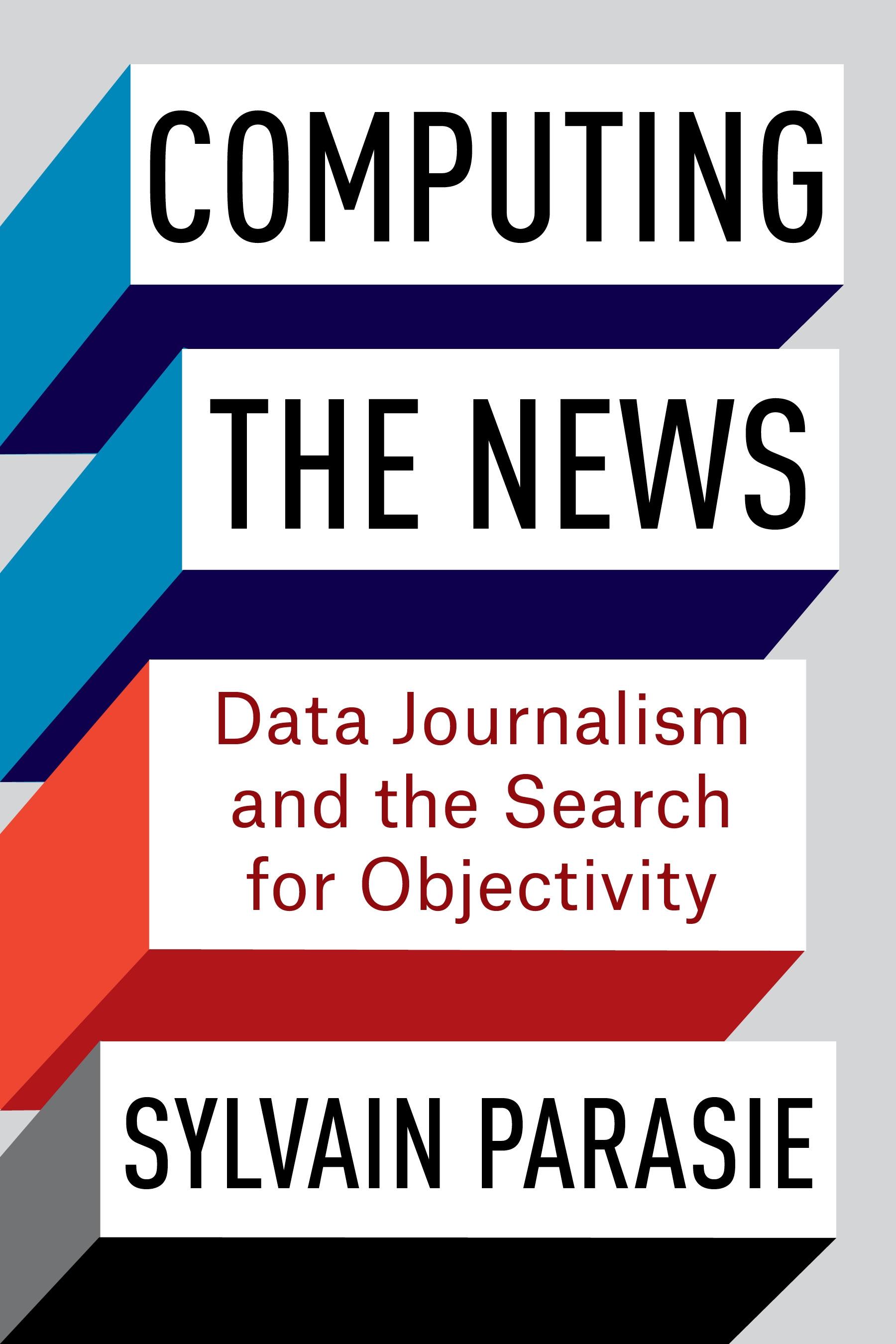
Faced with a full-blown crisis, a growing number of journalists are engaging in seemingly unjournalistic practices such as creating and maintaining databases, handling algorithms, or designing online applications. “Data journalists” claim that these approaches help the profession demonstrate greater objectivity and fulfill its democratic mission. In their view, computational methods enable journalists to better inform their readers, more closely monitor those in power, and offer deeper analysis.
In Computing the News, Sylvain Parasie examines how data journalists and news organizations have navigated the tensions between traditional journalistic values and new technologies. He traces the history of journalistic hopes for computing technology and contextualizes the surge of data journalism in the twenty-first century. By importing computational techniques and ways of knowing new to journalism, news organizations have come to depend on a broader array of human and nonhuman actors. Parasie draws on extensive fieldwork in the United States and France, including interviews with journalists and data scientists as well as a behind-the-scenes look at several acclaimed projects in both countries. Ultimately, he argues, fulfilling the promise of data journalism requires the renewal of journalistic standards and ethics. Offering an in-depth analysis of how computing has become part of the daily practices of journalists, this book proposes ways for journalism to evolve in order to serve democratic societies.
Płać wygodnie kartą, Klarną, Apple Pay lub Google Pay. Nie jesteś zadowolony? Zawsze masz 14-dniową gwarancję zwrotu pieniędzy. Więcej przeczytasz w naszych warunkach. Masz pytania? Napisz do nas na hello@memmo.org.
Memmo ułatwia naukę – gdziekolwiek jesteś na świecie. U nas znajdziesz podręczniki i sprytne narzędzia do nauki w jednym miejscu: streszczenia, quizy, podcasty i fiszki. A do tego Ted, Twój kumpel do nauki, który odpowie na wszystko, co Cię nurtuje. Ponad 50 000 studentów już tu się uczy – stworzone, byś uczył się szybciej i mniej stresował.