
For decades, we have been told we live in the “information age”—a time when disruptive technological advancement has reshaped the categories and social uses of knowledge and when quantitative assessment is increasingly privileged. Such methodologies and concepts of information are usually considered the provenance of the natural and social sciences, which present them as politically and philosophically neutral. Yet the humanities should and do play an important role in interpreting and critiquing the historical, cultural, and conceptual nature of information.
This book is one of two companion volumes that explore theories and histories of information from a humanistic perspective. They consider information as a long-standing feature of social, cultural, and conceptual management, a matter of social practice, and a fundamental challenge for the humanities today.
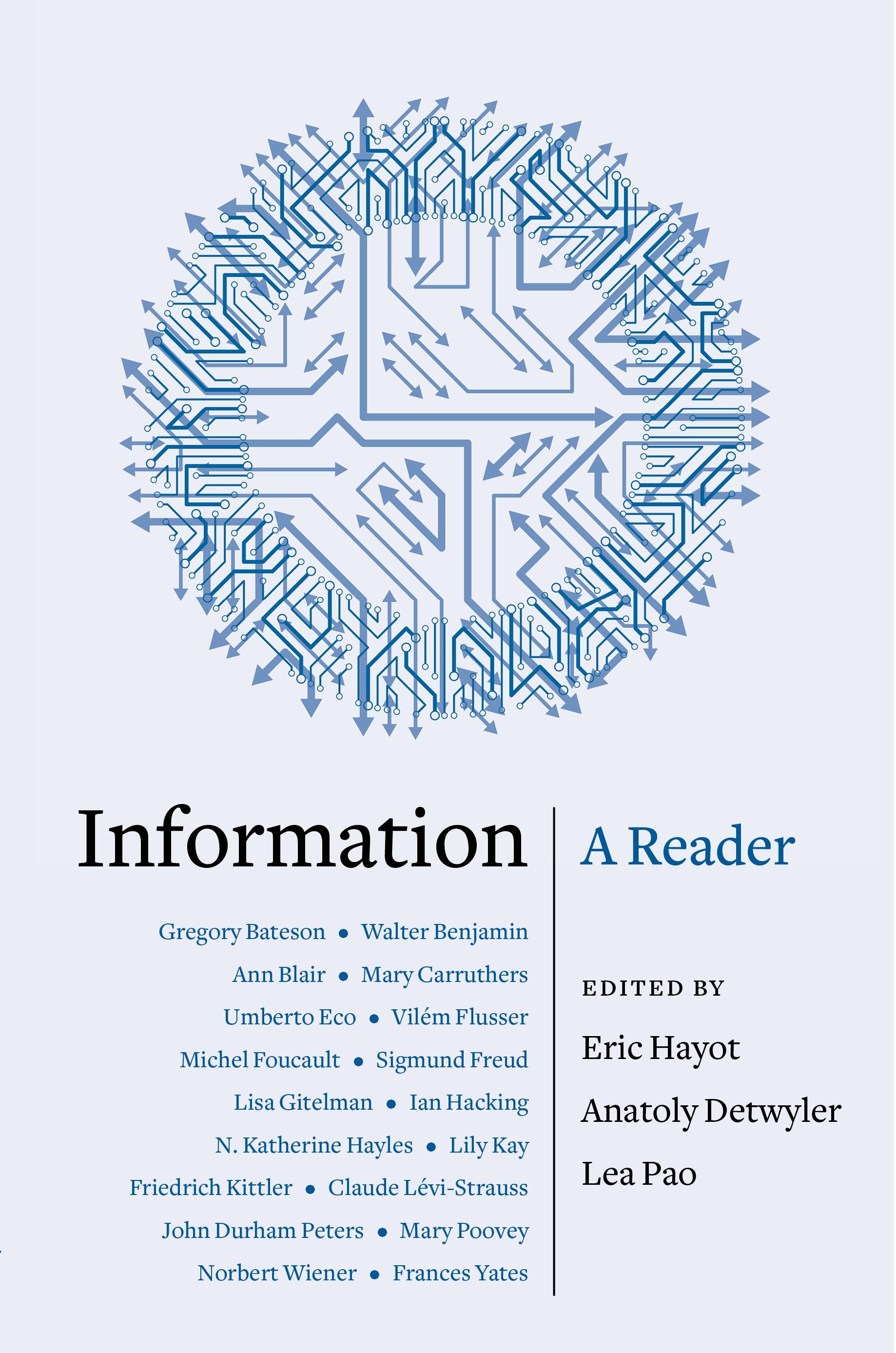
Information: A Reader provides an introduction to the concept of information in historical, literary, and cultural studies. It features excerpts from more than forty texts by theorists and critics—including Walter Benjamin, Umberto Eco, Lisa Gitelman, Ian Hacking, N. Katherine Hayles, Friedrich Kittler, and Norbert Wiener—who have helped establish the notion of the “information age” or expand upon it. The reader establishes a canonical framework for thinking about information in humanistic terms. Together with Information: Keywords, it sets forth a major humanistic vision of the concept of information.
Płać wygodnie kartą, Klarną, Apple Pay lub Google Pay. Nie jesteś zadowolony? Zawsze masz 14-dniową gwarancję zwrotu pieniędzy. Więcej przeczytasz w naszych warunkach. Masz pytania? Napisz do nas na hello@memmo.org.
Memmo ułatwia naukę – gdziekolwiek jesteś na świecie. U nas znajdziesz podręczniki i sprytne narzędzia do nauki w jednym miejscu: streszczenia, quizy, podcasty i fiszki. A do tego Ted, Twój kumpel do nauki, który odpowie na wszystko, co Cię nurtuje. Ponad 50 000 studentów już tu się uczy – stworzone, byś uczył się szybciej i mniej stresował.