
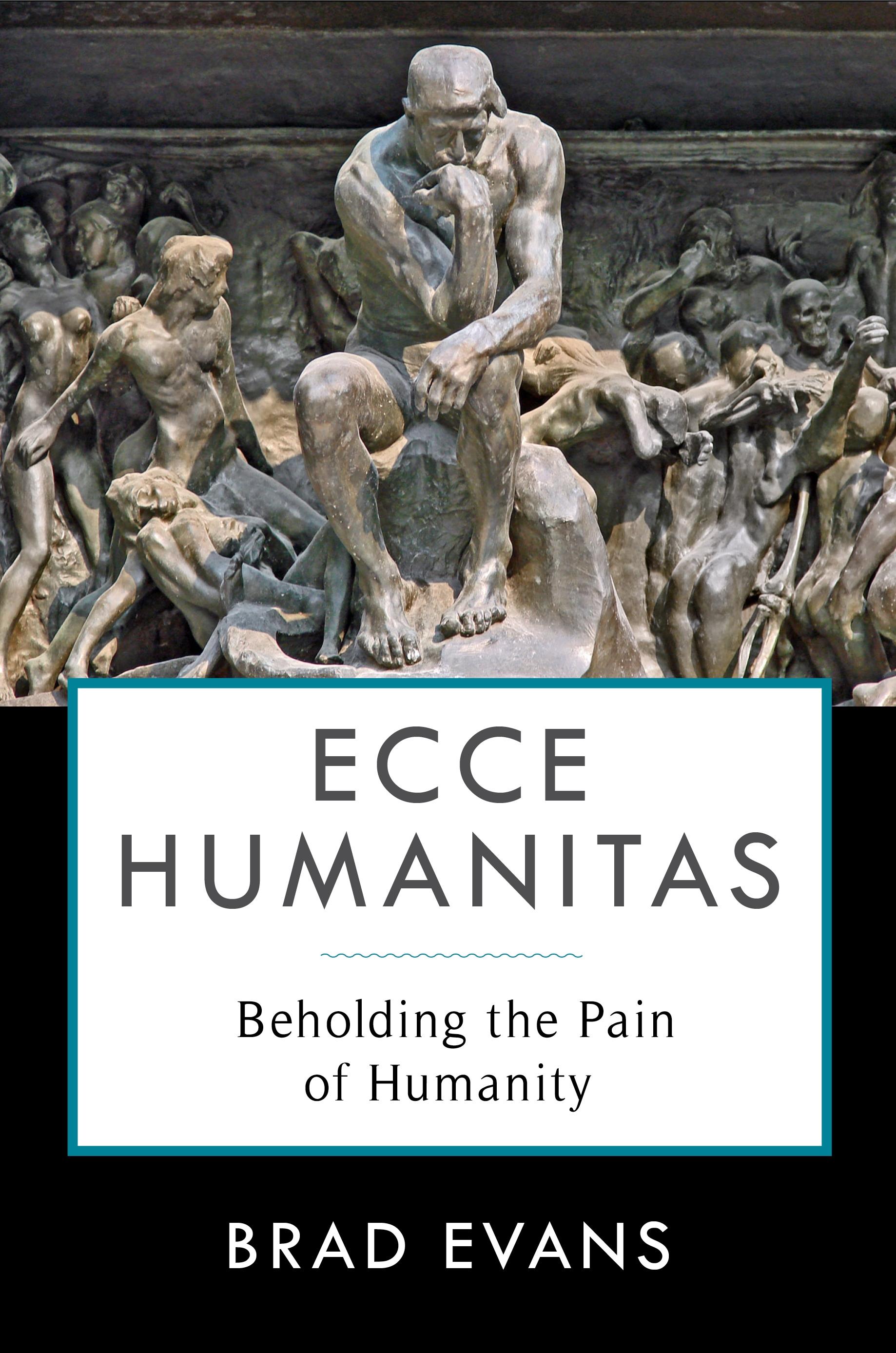
The very idea of humanity seems to be in crisis. Born in the ashes of devastation after the slaughter of millions, the liberal conception of humanity imagined a suffering victim in need of salvation. Today, this figure appears less and less capable of galvanizing the political imagination. But without it, how are we to respond to the inhumane violence that overwhelms our political and philosophical registers? How can we make sense of the violence that was carried out in the name of humanism? And how can we develop more ethical relations without becoming parasitic on the pain of others?
Through a critical exploration of violence and the sacred, Ecce Humanitas recasts the fall of liberal humanism. Brad Evans offers a rich analysis of the changing nature of sacrificial violence, from its theological origins to the exhaustion of the victim in the contemporary world. He critiques the aestheticization that turns victims into sacred objects, sacrificial figures that demand response, perpetuating a cycle of violence that is seen as natural and inevitable. In novel readings of classic and contemporary works, Evans traces the sacralization of violence as well as art’s potential to incite resistance. Countering the continued annihilation of life, Ecce Humanitas calls for liberating the political imagination from the scene of sacrifice. A new aesthetics provides a form of transgressive witnessing that challenges the ubiquity of violence and allows us to go beyond humanism to imagine a truly liberated humanity.
Płać wygodnie kartą, Klarną, Apple Pay lub Google Pay. Nie jesteś zadowolony? Zawsze masz 14-dniową gwarancję zwrotu pieniędzy. Więcej przeczytasz w naszych warunkach. Masz pytania? Napisz do nas na hello@memmo.org.
Memmo ułatwia naukę – gdziekolwiek jesteś na świecie. U nas znajdziesz podręczniki i sprytne narzędzia do nauki w jednym miejscu: streszczenia, quizy, podcasty i fiszki. A do tego Ted, Twój kumpel do nauki, który odpowie na wszystko, co Cię nurtuje. Ponad 50 000 studentów już tu się uczy – stworzone, byś uczył się szybciej i mniej stresował.