
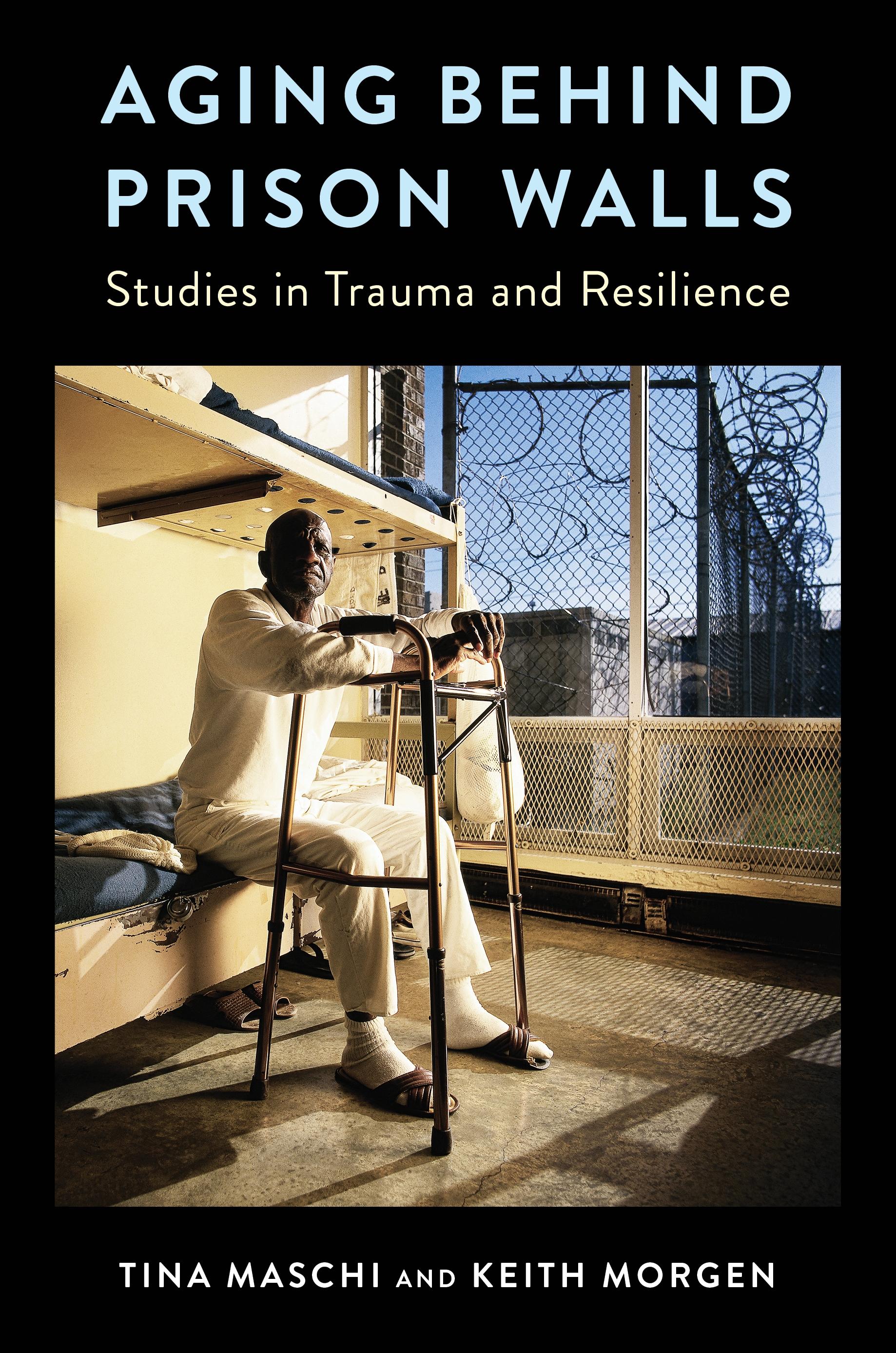
Today, more than 200,000 men and women over age fifty are languishing in prisons around the United States. It is projected that by 2030, one-third of all incarcerated individuals will be older adults. An already overcrowded and underserved prison system is straining to manage the needs of incarcerated older adults with growing frailty and health concerns. Separated from their families and communities despite a low risk of recidivism, incarcerated older adults represent a major social-justice issue that reveals the intersectional factors at play in their imprisonment. How do the people aging in prison understand their life experiences?
In Aging Behind Prison Walls, Tina Maschi and Keith Morgen offer a data-driven and compassionate analysis of the lives of incarcerated older people. They explore the transferable resiliencies and coping strategies used by incarcerated aging adults to make meaning of their lives before, during, and after imprisonment. The book draws on extensive quantitative and qualitative research as well as national datasets. It features rich narrative case studies that present stories of trauma, coping, and well-being. Based on the data, Maschi and Morgen present a solution-focused caring-justice framework in order to understand and transform the individual- and community-level structural factors that have led to and perpetuate the aging-in-prison crisis. They offer concrete proposals—at the community and national policy levels—to address the pressing issues of incarcerated elders.
Płać wygodnie kartą, Klarną, Apple Pay lub Google Pay. Nie jesteś zadowolony? Zawsze masz 14-dniową gwarancję zwrotu pieniędzy. Więcej przeczytasz w naszych warunkach. Masz pytania? Napisz do nas na hello@memmo.org.
Memmo ułatwia naukę – gdziekolwiek jesteś na świecie. U nas znajdziesz podręczniki i sprytne narzędzia do nauki w jednym miejscu: streszczenia, quizy, podcasty i fiszki. A do tego Ted, Twój kumpel do nauki, który odpowie na wszystko, co Cię nurtuje. Ponad 50 000 studentów już tu się uczy – stworzone, byś uczył się szybciej i mniej stresował.