
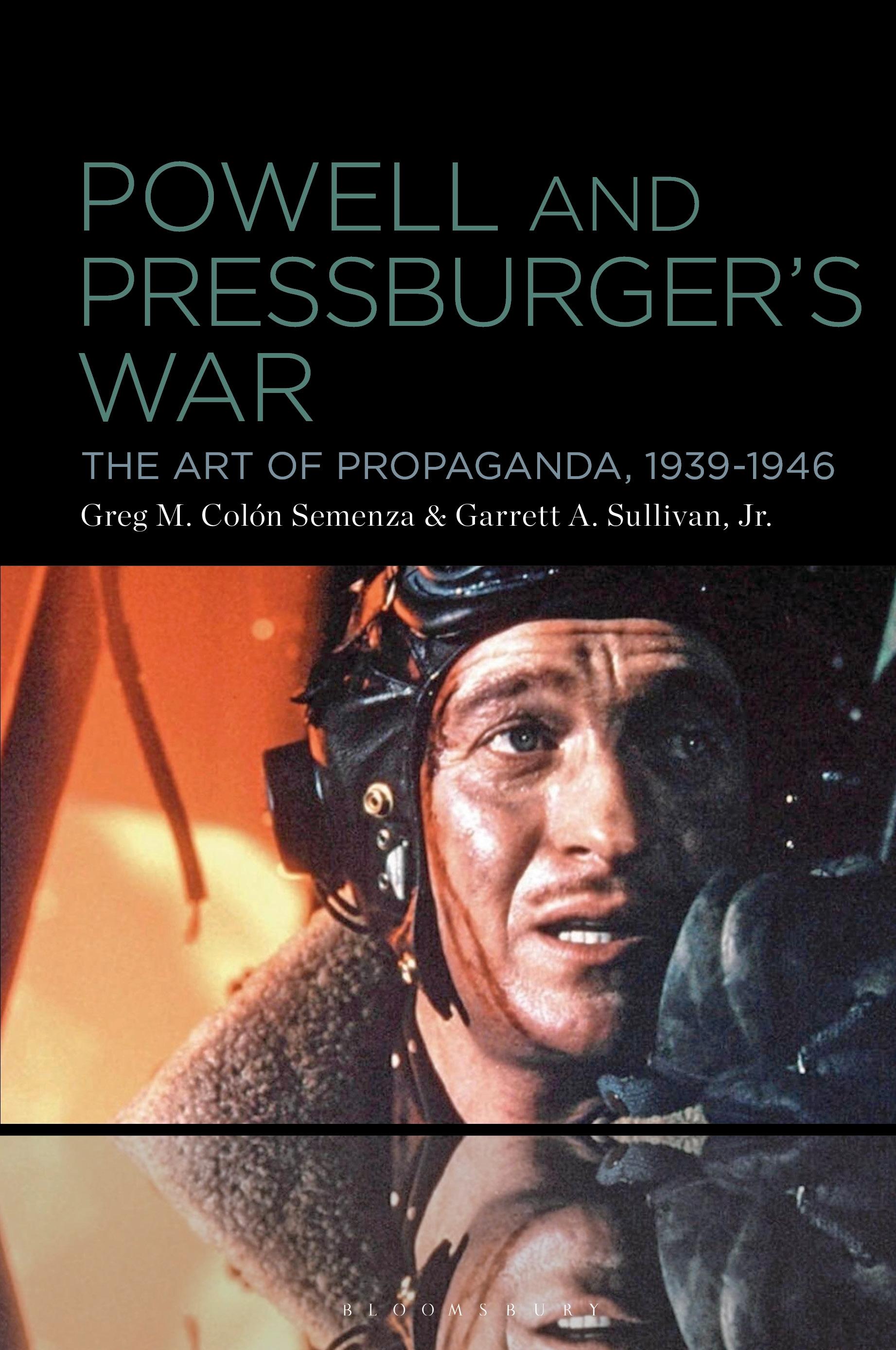
A focused study on Michael Powell and Emeric Pressburger's cinematic contributions to the war effort, arguing for the centrality of propaganda to their work as film artists.
Michael Powell and Emeric Pressburger are widely hailed as two of the greatest filmmakers in British cinema history. The release of their first movie, The Spy in Black, barely preceded the beginning of World War Two, and a number of their early masterworks, including The Life and Death of Colonel Blimp, A Canterbury Tale, and A Matter of Life and Death, were produced in the service of the war effort. Through exploring the relationship between art and propaganda, this book shows that Powell and Pressburger saw no contradiction between their aesthetic ambitions and their cinematic war work: propaganda imperatives were highly conducive to their objectives as both commercial cinema practitioners and artists.
Drawing on production materials from the archives of the British Film Institute, this book charts three phases in Powell and Pressburger's wartime career: from first-time collaborators who strive to reconcile popular cinematic forms with developing notions of what constitutes effective propaganda; to accomplished, and sometimes controversial, propagandists whose movies center upon Britain's relations with its enemies and allies; to filmmakers whose responsiveness to the propaganda requirements of the late war is matched by a focus, shared by the Ministry of Information, on what the post-war future would bring.
Michael Powell and Emeric Pressburger are widely hailed as two of the greatest filmmakers in British cinema history. The release of their first movie, The Spy in Black, barely preceded the beginning of World War Two, and a number of their early masterworks, including The Life and Death of Colonel Blimp, A Canterbury Tale, and A Matter of Life and Death, were produced in the service of the war effort. Through exploring the relationship between art and propaganda, this book shows that Powell and Pressburger saw no contradiction between their aesthetic ambitions and their cinematic war work: propaganda imperatives were highly conducive to their objectives as both commercial cinema practitioners and artists.
Drawing on production materials from the archives of the British Film Institute, this book charts three phases in Powell and Pressburger's wartime career: from first-time collaborators who strive to reconcile popular cinematic forms with developing notions of what constitutes effective propaganda; to accomplished, and sometimes controversial, propagandists whose movies center upon Britain's relations with its enemies and allies; to filmmakers whose responsiveness to the propaganda requirements of the late war is matched by a focus, shared by the Ministry of Information, on what the post-war future would bring.
Sider: 288
Kategori: Film- & Medievetenskap
e-ISBN: 9798765105740
Fraktvekt: 1.2 kg
Sendes innen: 1-2 dager
Betal enkelt med kort, Klarna, Apple Pay eller Google Pay. Ikke fornøyd? Du har alltid 14 dagers angrerett. Les mer i våre vilkår. Har du spørsmål, send oss en e-post på hello@memmo.org.
Memmo gjør det enklere å studere – uansett hvor du er i verden. Hos oss samler du pensumbøker og smarte studieverktøy på ett og samme sted: sammendrag, quizer, podkaster og flashcards. Og så Ted, din studiekompis som svarer på alt du lurer på. Over 50 000 studenter studerer allerede her – bygget for at du skal lære raskere og stresse mindre.