
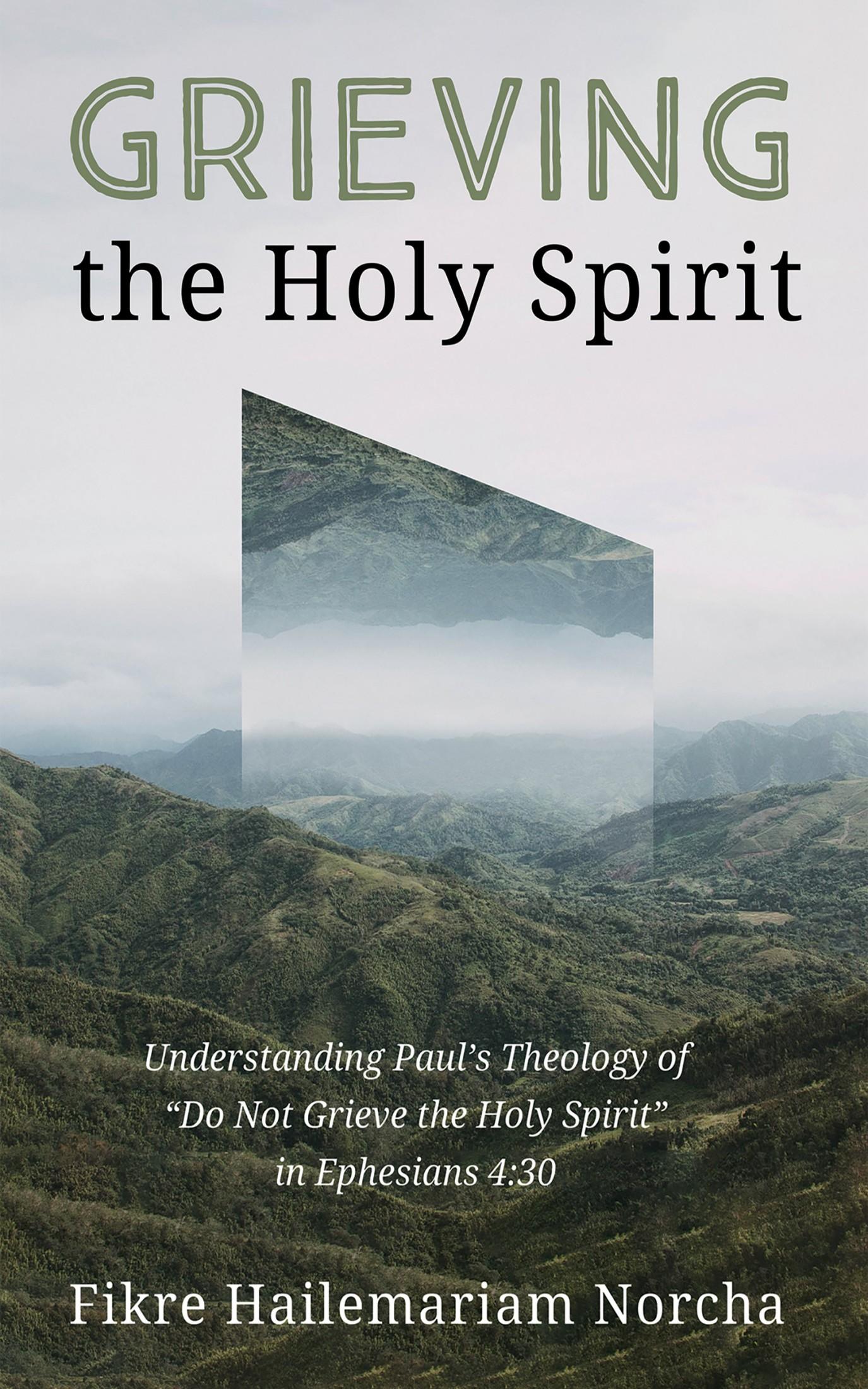
What does Paul intend when he commands believers in Ephesians 4:30 not to “grieve the Holy Spirit”? This study argues that Paul’s admonition, informed by Isaiah 63:10, should be understood not in terms of divine sadness but as a warning against provoking or vexing the Spirit through immoral conduct, corrosive speech, and divisive attitudes that threaten the unity of the church. By reexamining the Greek verb lupeō in its biblical and intertextual context, this work contends that Paul envisions the Spirit as actively resisting the disruptive behaviors of God’s people, much as Israel’s rebellion provoked the Spirit in the Old Testament. The analysis further addresses theological questions concerning the Spirit’s impassibility and passion, demonstrating how the Spirit’s volitional engagement with human sin shapes the believer’s ethical responsibility. Both exegetical and theological in scope, this book contributes to Pauline studies and pneumatology by offering a fresh reading of Ephesians 4:30. It invites scholars, pastors, and students to reconsider long-held assumptions and to reflect more deeply on how the church’s life together may either provoke or honor the Spirit of God.
Betal enkelt med kort, Klarna, Apple Pay eller Google Pay. Ikke fornøyd? Du har alltid 14 dagers angrerett. Les mer i våre vilkår. Har du spørsmål, send oss en e-post på hello@memmo.org.
Memmo gjør det enklere å studere – uansett hvor du er i verden. Hos oss samler du pensumbøker og smarte studieverktøy på ett og samme sted: sammendrag, quizer, podkaster og flashcards. Og så Ted, din studiekompis som svarer på alt du lurer på. Over 50 000 studenter studerer allerede her – bygget for at du skal lære raskere og stresse mindre.
Du vil kanskje også like
Kjøp boken0