
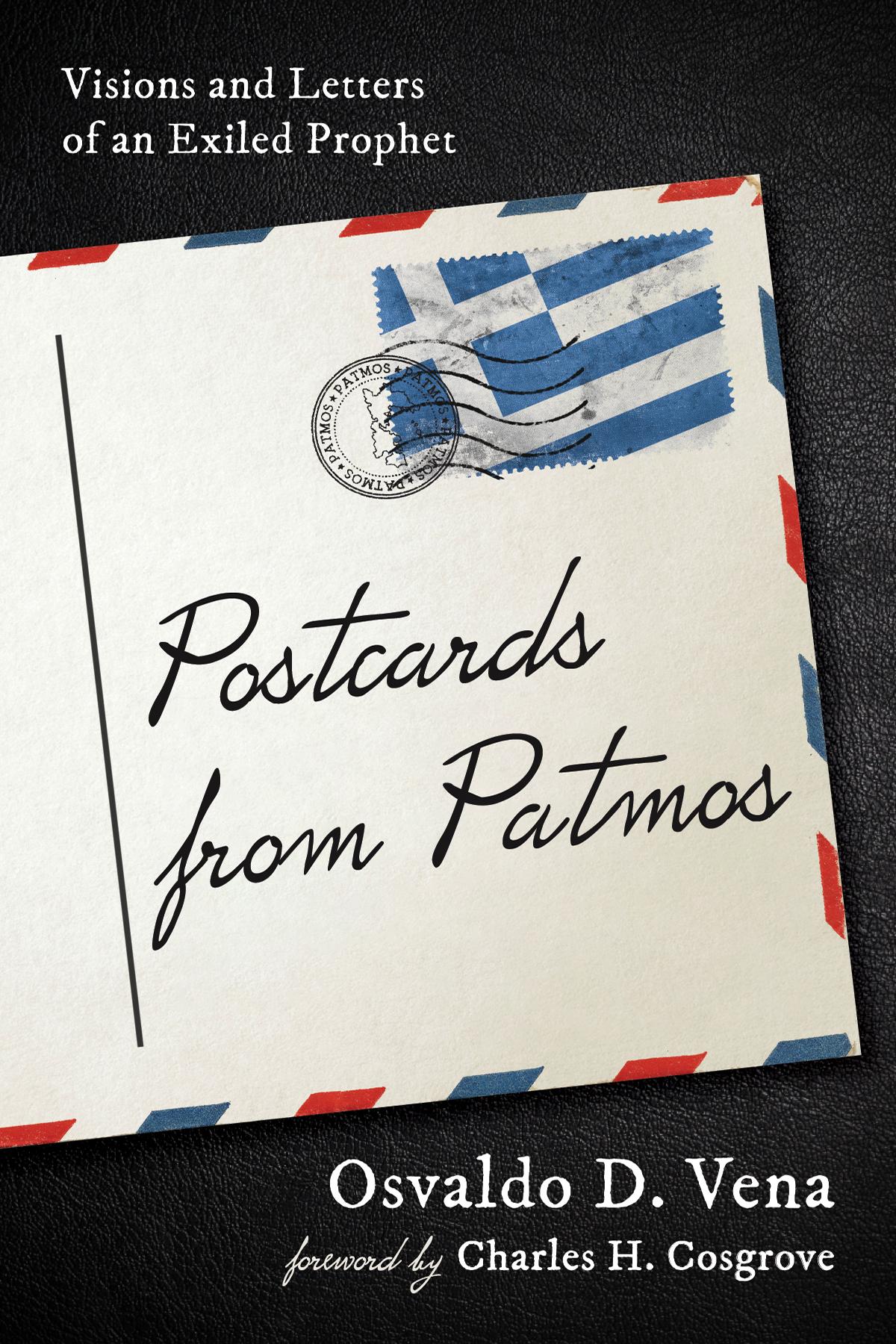
In this work, a fictionalized John is addressing a contemporary audience directly, as if they were the original recipients of the book. Unlike the author's two previous books, which were historical fictions, this one does not include fictional elements. It does not dwell on possible scenarios advanced by information found in the text, like the trip to Spain in the case of Paul. Rather, it aims at providing the audience with some additional historical information so they can have a better understanding of the place and time in which John wrote. The reader will notice, for example, that instead of using inclusive language, which would be anachronistic, John uses male language to address God. The author also explores, fictionally, John's feelings, to allow the readers to imagine how he might have felt in the troubled times he lived in.
Betal enkelt med kort, Klarna, Apple Pay eller Google Pay. Ikke fornøyd? Du har alltid 14 dagers angrerett. Les mer i våre vilkår. Har du spørsmål, send oss en e-post på hello@memmo.org.
Memmo gjør det enklere å studere – uansett hvor du er i verden. Hos oss samler du pensumbøker og smarte studieverktøy på ett og samme sted: sammendrag, quizer, podkaster og flashcards. Og så Ted, din studiekompis som svarer på alt du lurer på. Over 50 000 studenter studerer allerede her – bygget for at du skal lære raskere og stresse mindre.
Du vil kanskje også like
Kjøp boken0