
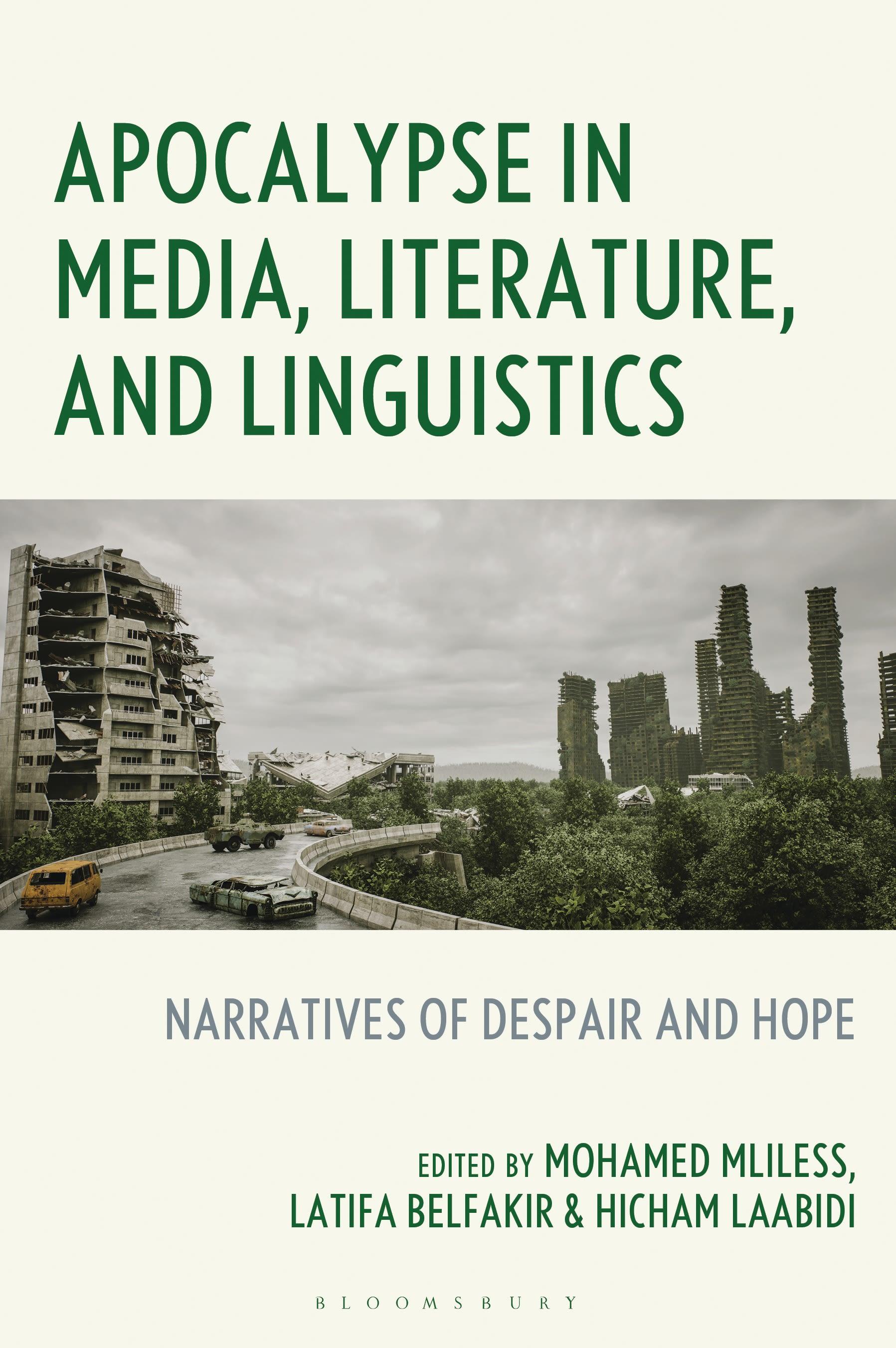
Apocalypse in Media, Literature and Linguistics: Narratives of Despair and Hope argues that apocalyptic stories are not merely genres or headlines; they are cultural technologies that construct environmental crises and channel public response. The volume shows how language and narrative-metaphors, frames, and plotlines-shape ecological identity, moral urgency, and policy choices across fiction, film, journalism, and community activism. Contributors trace how alarmist framings can heighten attention yet also induce paralysis or denial, and how hopeful, justice-oriented discourse can motivate stewardship and collective action. Case studies range from McCarthy's The Road and Atwood's climate fiction to Swahili-language media in Kenya, Brazilian news rhetoric, cinematic reception of The Day After Tomorrow, necropolitics in the Niger Delta, and critiques of anti-apocalyptic techno-optimism. Together, the chapters advance a clear claim: apocalyptic narratives do political work, distributing fear, responsibility, and possibility. The book offers practical analytic tools-drawn from ecolinguistics, critical discourse analysis, cultural studies, and media analysis-for diagnosing destructive framings and designing alternatives that inform without fatalism. It is a timely resource for scholars, educators, journalists, and advocates seeking language that moves audiences from dread to durable, justice-centered action.
Betal enkelt med kort, Klarna, Apple Pay eller Google Pay. Ikke fornøyd? Du har alltid 14 dagers angrerett. Les mer i våre vilkår. Har du spørsmål, send oss en e-post på hello@memmo.org.
Memmo gjør det enklere å studere – uansett hvor du er i verden. Hos oss samler du pensumbøker og smarte studieverktøy på ett og samme sted: sammendrag, quizer, podkaster og flashcards. Og så Ted, din studiekompis som svarer på alt du lurer på. Over 50 000 studenter studerer allerede her – bygget for at du skal lære raskere og stresse mindre.