
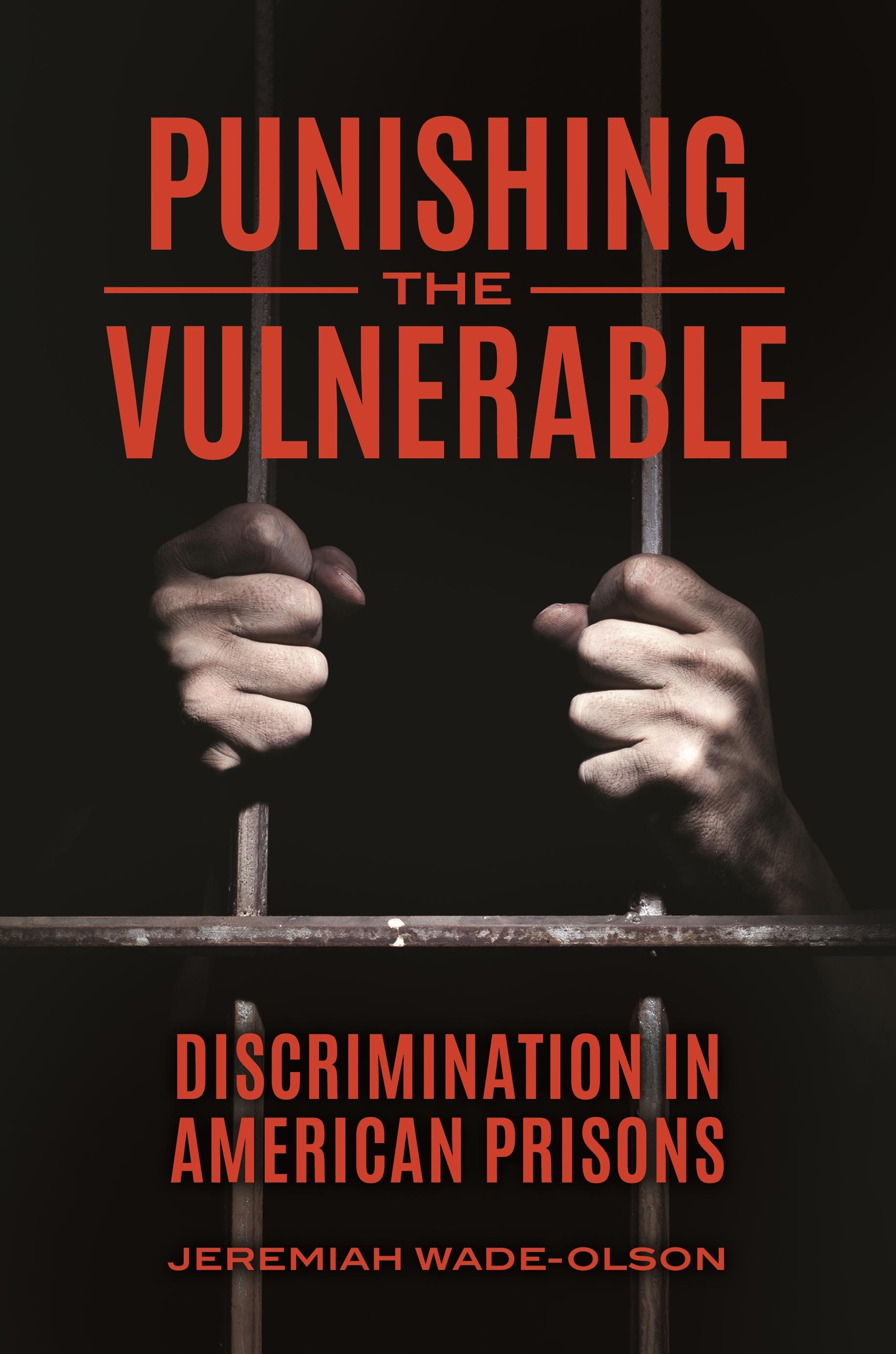
Few studies look at the treatment of those inside America's prisons. Discussing race discrimination alongside gender, ethnic, and religious discrimination in contemporary American prisons, this book finds that correctional staff are swayed by stereotypes in their treatment of inmates.
The American Dream is that anyone who works hard enough can be successful. It is a dream premised on equal opportunity; however, millions of racial, ethnic, religious, and gender minorities have found their opportunities for success limited—even in prison. What accounts for the discriminatory treatment of people who are already imprisoned? Relying on national data and interviews conducted by the author, this book argues that American prisons are not a tool for justice but a tool for the persecution of the weak by the powerful.
The book details how African American, American Indian, and Hispanic inmates receive harsher punishments, including solitary confinement, and fewer rehabilitative programs, such as substance abuse treatment and mental health counseling. It also examines other injustices, including how female inmates suffer from a lack of rehabilitative services, Muslim inmates are placed in solitary confinement for practicing their religious beliefs, American Indians are disproportionately punished, and undocumented immigrants are forced from prison to prison in the middle of the night.
The American Dream is that anyone who works hard enough can be successful. It is a dream premised on equal opportunity; however, millions of racial, ethnic, religious, and gender minorities have found their opportunities for success limited—even in prison. What accounts for the discriminatory treatment of people who are already imprisoned? Relying on national data and interviews conducted by the author, this book argues that American prisons are not a tool for justice but a tool for the persecution of the weak by the powerful.
The book details how African American, American Indian, and Hispanic inmates receive harsher punishments, including solitary confinement, and fewer rehabilitative programs, such as substance abuse treatment and mental health counseling. It also examines other injustices, including how female inmates suffer from a lack of rehabilitative services, Muslim inmates are placed in solitary confinement for practicing their religious beliefs, American Indians are disproportionately punished, and undocumented immigrants are forced from prison to prison in the middle of the night.
Betal enkelt med kort, Klarna, Apple Pay eller Google Pay. Ikke fornøyd? Du har alltid 14 dagers angrerett. Les mer i våre vilkår. Har du spørsmål, send oss en e-post på hello@memmo.org.
Memmo gjør det enklere å studere – uansett hvor du er i verden. Hos oss samler du pensumbøker og smarte studieverktøy på ett og samme sted: sammendrag, quizer, podkaster og flashcards. Og så Ted, din studiekompis som svarer på alt du lurer på. Over 50 000 studenter studerer allerede her – bygget for at du skal lære raskere og stresse mindre.