
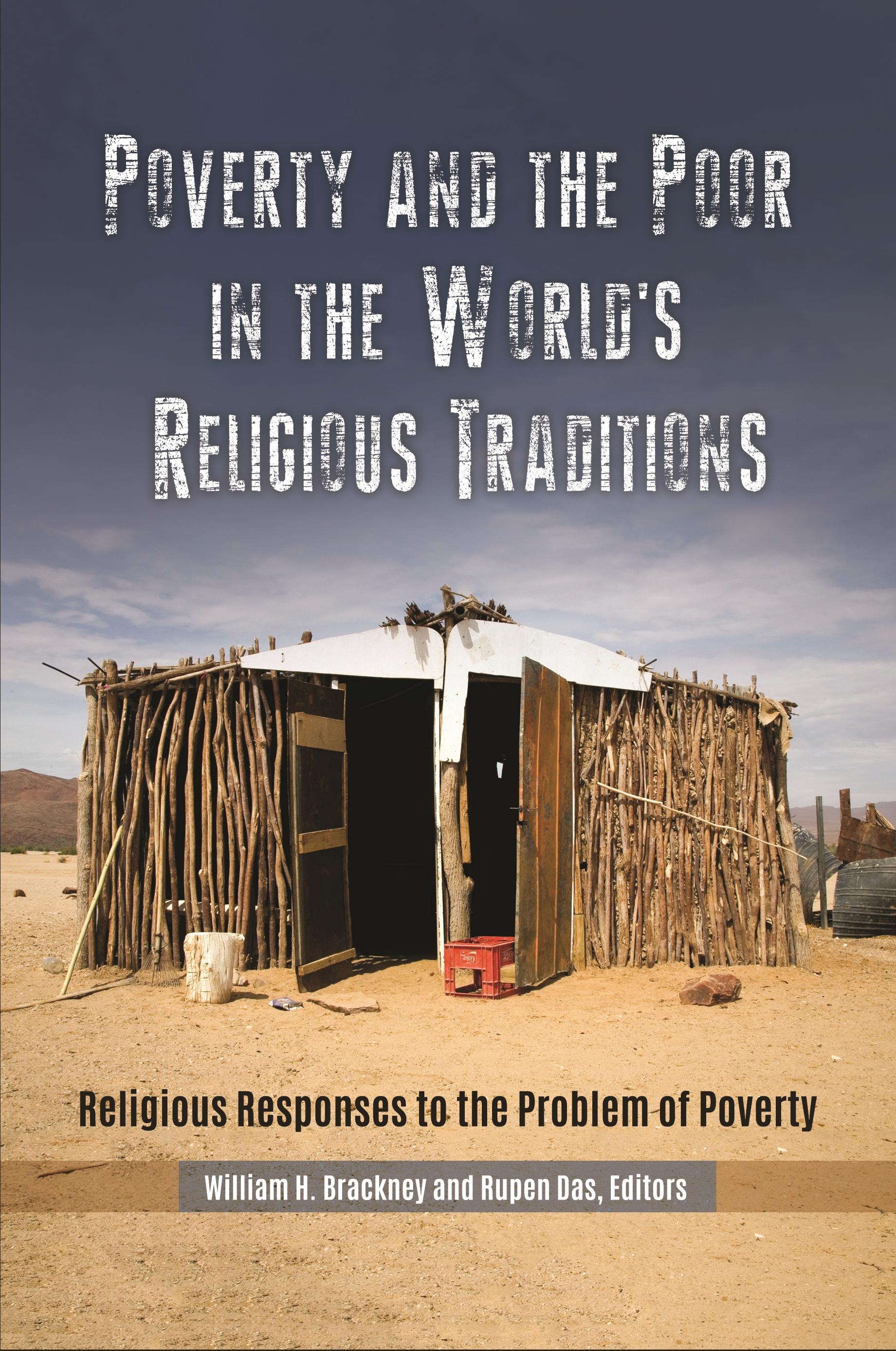
This detailed book is a resource for students, practitioners, and leaders interested in how the major world religions have understood poverty and responded to the poor.
Poverty is a universal phenomenon across history, regardless of country or culture. Today, the demographics of the poor are on the rise globally: it is a critical issue. Religious traditions are another universal aspect of human societies, and nearly all religions include directives on how to respond to the poor and systemic poverty. How do the various religious traditions conceptualize poverty, and what do they view as the proper response to the poor?
Poverty and the Poor in the World's Religious Traditions: Religious Responses to the Problem of Poverty brings together specialists on the religions of the world and their diverse viewpoints to identify how different religious traditions interact with poverty and being poor. It also contains excerpts of religious texts that readers can use as primary documents to illustrate themes such as identifying the poor, religious reasons for being poor, and responses (like charity and development) to the existence of poverty. This book serves as a powerful resource for students of subjects like international development, missiology, comparative religion, theology, social ethics, economics, and organizational leadership as well as for any socially concerned clergy of various faiths.
Poverty is a universal phenomenon across history, regardless of country or culture. Today, the demographics of the poor are on the rise globally: it is a critical issue. Religious traditions are another universal aspect of human societies, and nearly all religions include directives on how to respond to the poor and systemic poverty. How do the various religious traditions conceptualize poverty, and what do they view as the proper response to the poor?
Poverty and the Poor in the World's Religious Traditions: Religious Responses to the Problem of Poverty brings together specialists on the religions of the world and their diverse viewpoints to identify how different religious traditions interact with poverty and being poor. It also contains excerpts of religious texts that readers can use as primary documents to illustrate themes such as identifying the poor, religious reasons for being poor, and responses (like charity and development) to the existence of poverty. This book serves as a powerful resource for students of subjects like international development, missiology, comparative religion, theology, social ethics, economics, and organizational leadership as well as for any socially concerned clergy of various faiths.
Betal enkelt med kort, Klarna, Apple Pay eller Google Pay. Ikke fornøyd? Du har alltid 14 dagers angrerett. Les mer i våre vilkår. Har du spørsmål, send oss en e-post på hello@memmo.org.
Memmo gjør det enklere å studere – uansett hvor du er i verden. Hos oss samler du pensumbøker og smarte studieverktøy på ett og samme sted: sammendrag, quizer, podkaster og flashcards. Og så Ted, din studiekompis som svarer på alt du lurer på. Over 50 000 studenter studerer allerede her – bygget for at du skal lære raskere og stresse mindre.