
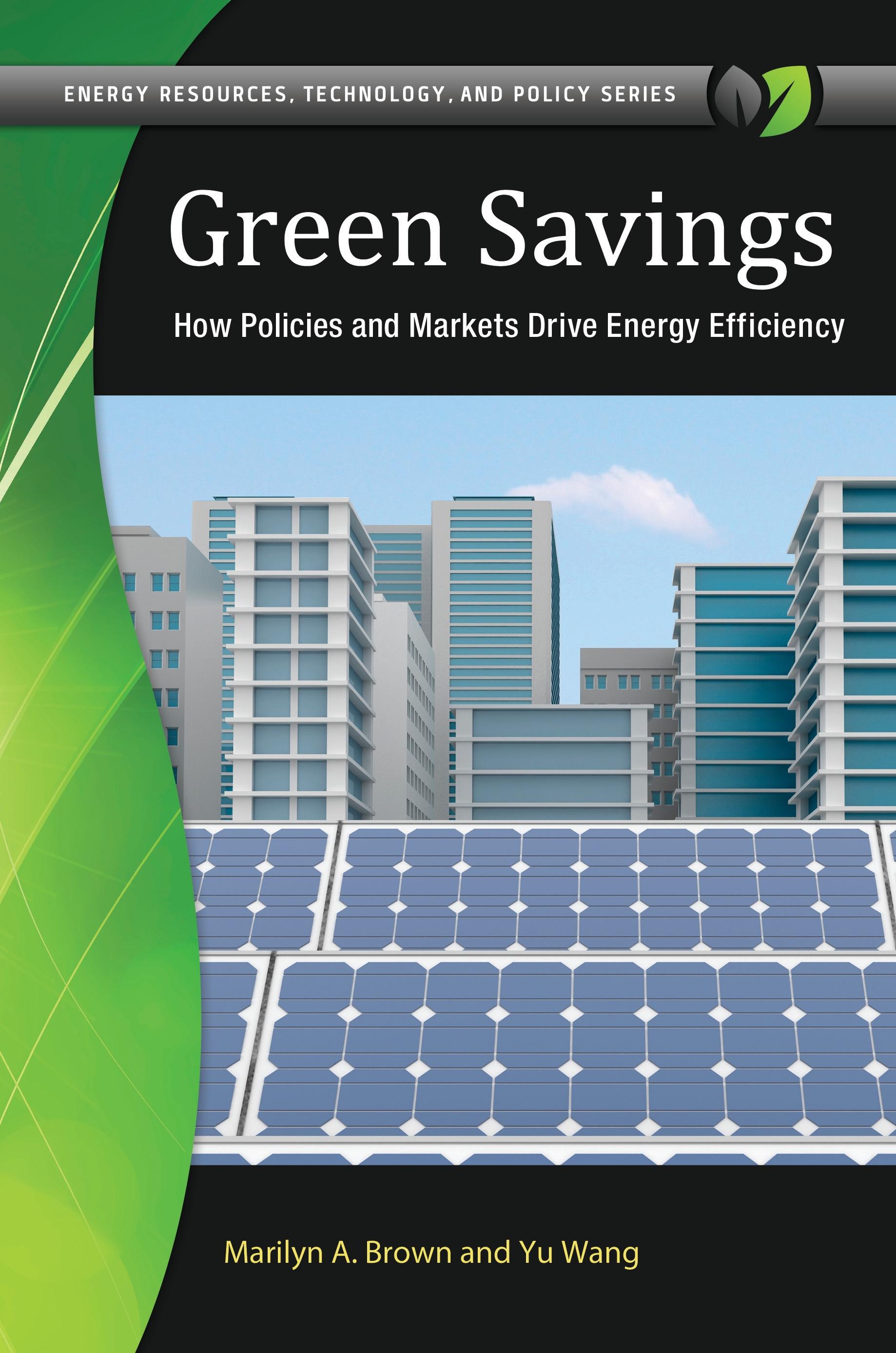
This landmark work lauds the benefits of decreased energy consumption, investigating its relationship to public policy and analyzing its potential billion-dollar benefits to the U.S. economy.
U.S. consumers tend to use energy indiscriminately—something they may no longer be able to do with impunity. This game-changing book asserts that reducing energy consumption should be a frontline strategy to address global climate change, threats to energy security, and the challenge of grid reliability. The book supports two bold arguments: that policies motivating greater investment in high energy efficiency should be a priority, and that energy efficiency can help the nation in times of crisis.
To make their case for the necessity of prioritizing demand reduction, the authors examine the policies and markets operating in a number of leading cities, states, and nations across the globe to uncover the keys to their success. These examples show how demand-side strategies can significantly reduce pollution, cut costs, and make the electric grid more resilient. The authors explain why these technologies are not widely adopted and assess the potential savings they can produce. The book will be an eye-opener for policymakers, energy professionals, and the public as it demonstrates how cost-effective demand reduction policies can improve air quality, strengthen electricity markets, and generate jobs.
U.S. consumers tend to use energy indiscriminately—something they may no longer be able to do with impunity. This game-changing book asserts that reducing energy consumption should be a frontline strategy to address global climate change, threats to energy security, and the challenge of grid reliability. The book supports two bold arguments: that policies motivating greater investment in high energy efficiency should be a priority, and that energy efficiency can help the nation in times of crisis.
To make their case for the necessity of prioritizing demand reduction, the authors examine the policies and markets operating in a number of leading cities, states, and nations across the globe to uncover the keys to their success. These examples show how demand-side strategies can significantly reduce pollution, cut costs, and make the electric grid more resilient. The authors explain why these technologies are not widely adopted and assess the potential savings they can produce. The book will be an eye-opener for policymakers, energy professionals, and the public as it demonstrates how cost-effective demand reduction policies can improve air quality, strengthen electricity markets, and generate jobs.
Sider: 304
Kategori: Ekonomi & Utveckling
e-ISBN: 9798216092124
Fraktvekt: 1.2 kg
Sendes innen: 1-2 dager
Betal enkelt med kort, Klarna, Apple Pay eller Google Pay. Ikke fornøyd? Du har alltid 14 dagers angrerett. Les mer i våre vilkår. Har du spørsmål, send oss en e-post på hello@memmo.org.
Memmo gjør det enklere å studere – uansett hvor du er i verden. Hos oss samler du pensumbøker og smarte studieverktøy på ett og samme sted: sammendrag, quizer, podkaster og flashcards. Og så Ted, din studiekompis som svarer på alt du lurer på. Over 50 000 studenter studerer allerede her – bygget for at du skal lære raskere og stresse mindre.