
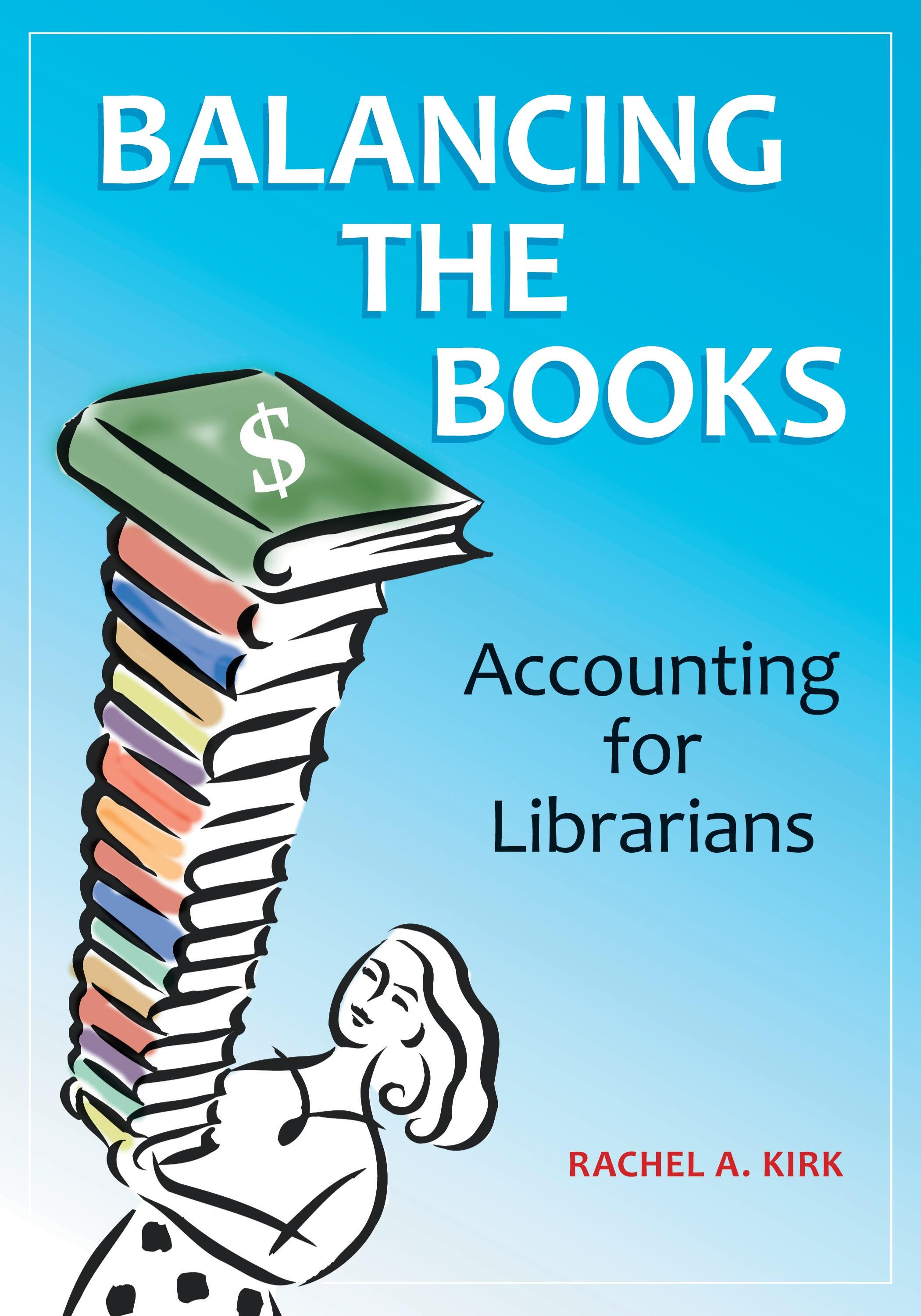
Any competent librarian can have good accounting skills—after all, attention to detail, correct classification, and effective documentation are essential to both kinds of tasks. This book covers accounting concepts, budgeting, and government regulations that pertain to libraries.
Balancing the Books: Accounting for Librarians fills the gap that exists in literature on library acquisitions accounting. By covering essential accounting concepts, budgeting, government regulations that pertain to libraries, as well as accounting measurement methods and their relationship to assessment, this book effectively addresses the questions often posed by acquisition librarians pertaining to accounting. It also directs readers to other authoritative resources for help on accounting topics outside the scope of the work.
The book begins by addressing the specific issues involved with library accounting. Section two provides the reader with a fundamental grasp of accounting principles by providing readers with definitions, examples, and templates to help them understand and apply accounting standards to their unique situations. In section three, the reciprocal relationship between accounting and budgeting is examined, and the author further explores how budgeting can be used by librarians in deciding what they want to measure and what those metrics should be. The final section covers important regulations and standards—for example, those promulgated by the Government Accounting Standards Board (GASB) and the Financial Accounting Standards Board (FASB).
Balancing the Books: Accounting for Librarians fills the gap that exists in literature on library acquisitions accounting. By covering essential accounting concepts, budgeting, government regulations that pertain to libraries, as well as accounting measurement methods and their relationship to assessment, this book effectively addresses the questions often posed by acquisition librarians pertaining to accounting. It also directs readers to other authoritative resources for help on accounting topics outside the scope of the work.
The book begins by addressing the specific issues involved with library accounting. Section two provides the reader with a fundamental grasp of accounting principles by providing readers with definitions, examples, and templates to help them understand and apply accounting standards to their unique situations. In section three, the reciprocal relationship between accounting and budgeting is examined, and the author further explores how budgeting can be used by librarians in deciding what they want to measure and what those metrics should be. The final section covers important regulations and standards—for example, those promulgated by the Government Accounting Standards Board (GASB) and the Financial Accounting Standards Board (FASB).
Sider: 152
Kategori: Redovisning, Finans & Investering
e-ISBN: 9798216051190
Fraktvekt: 1.2 kg
Sendes innen: 1-2 dager
Betal enkelt med kort, Klarna, Apple Pay eller Google Pay. Ikke fornøyd? Du har alltid 14 dagers angrerett. Les mer i våre vilkår. Har du spørsmål, send oss en e-post på hello@memmo.org.
Memmo gjør det enklere å studere – uansett hvor du er i verden. Hos oss samler du pensumbøker og smarte studieverktøy på ett og samme sted: sammendrag, quizer, podkaster og flashcards. Og så Ted, din studiekompis som svarer på alt du lurer på. Over 50 000 studenter studerer allerede her – bygget for at du skal lære raskere og stresse mindre.