
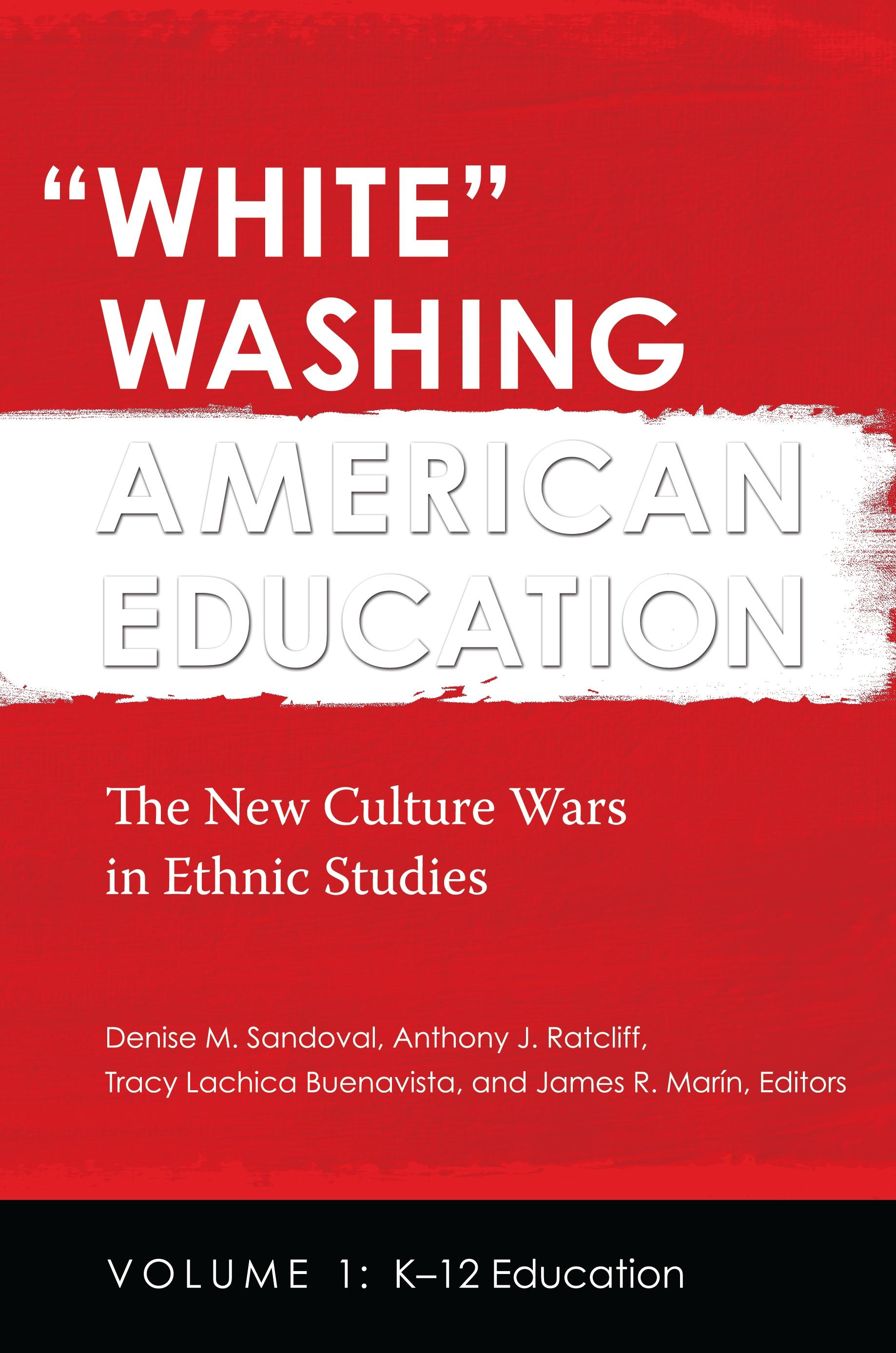
Recent attacks on Ethnic Studies, revisionist actions in curriculum content, and anti-immigrant policies are creating a new culture war in America. This important work lays out the current debates—both in K–12 and higher education—to uncover the dangers and to offer solutions.
In 2010, HB 2281—a law that bans ethnic studies in Arizona—was passed; in the same year, Texas whitewashed curriculum and textbook changes at the K–12 level. Since then, the nation has seen a rise in the legal and political war on Ethnic Studies, revisionist actions in curriculum content, and anti-immigrant policies, creating a new culture war in America. "White" Washing American Education demonstrates the value and necessity of Ethnic Studies in the 21st century by sharing the voices of those in the trenches—educators, students, community activists, and cultural workers—who are effectively using multidisciplinary approaches to education.
This two-volume set of contributed essays provides readers with a historical context to the current struggles and attacks on Ethnic Studies by examining the various cultural and political "wars" that are making an impact on American educational systems, and how students, faculty, and communities are impacted as a result. It investigates specific cases of educational whitewashing and challenges to that whitewashing, such as Tom Horne's attack along with the State Board of Education against the Mexican American studies in the Tucson School District, the experiences of professors of color teaching Ethnic Studies in primarily white universities across the United States, and the role that student activists play in the movements for Ethnic Studies in their high schools, universities, and communities. Readers will come away with an understanding of the history of Ethnic Studies in the United States, the challenges and barriers that Ethnic Studies scholars and practitioners currently face, and the ways to advocate for the development of Ethnic Studies within formal and community-based spaces.
In 2010, HB 2281—a law that bans ethnic studies in Arizona—was passed; in the same year, Texas whitewashed curriculum and textbook changes at the K–12 level. Since then, the nation has seen a rise in the legal and political war on Ethnic Studies, revisionist actions in curriculum content, and anti-immigrant policies, creating a new culture war in America. "White" Washing American Education demonstrates the value and necessity of Ethnic Studies in the 21st century by sharing the voices of those in the trenches—educators, students, community activists, and cultural workers—who are effectively using multidisciplinary approaches to education.
This two-volume set of contributed essays provides readers with a historical context to the current struggles and attacks on Ethnic Studies by examining the various cultural and political "wars" that are making an impact on American educational systems, and how students, faculty, and communities are impacted as a result. It investigates specific cases of educational whitewashing and challenges to that whitewashing, such as Tom Horne's attack along with the State Board of Education against the Mexican American studies in the Tucson School District, the experiences of professors of color teaching Ethnic Studies in primarily white universities across the United States, and the role that student activists play in the movements for Ethnic Studies in their high schools, universities, and communities. Readers will come away with an understanding of the history of Ethnic Studies in the United States, the challenges and barriers that Ethnic Studies scholars and practitioners currently face, and the ways to advocate for the development of Ethnic Studies within formal and community-based spaces.
Betal enkelt med kort, Klarna, Apple Pay eller Google Pay. Ikke fornøyd? Du har alltid 14 dagers angrerett. Les mer i våre vilkår. Har du spørsmål, send oss en e-post på hello@memmo.org.
Memmo gjør det enklere å studere – uansett hvor du er i verden. Hos oss samler du pensumbøker og smarte studieverktøy på ett og samme sted: sammendrag, quizer, podkaster og flashcards. Og så Ted, din studiekompis som svarer på alt du lurer på. Over 50 000 studenter studerer allerede her – bygget for at du skal lære raskere og stresse mindre.