
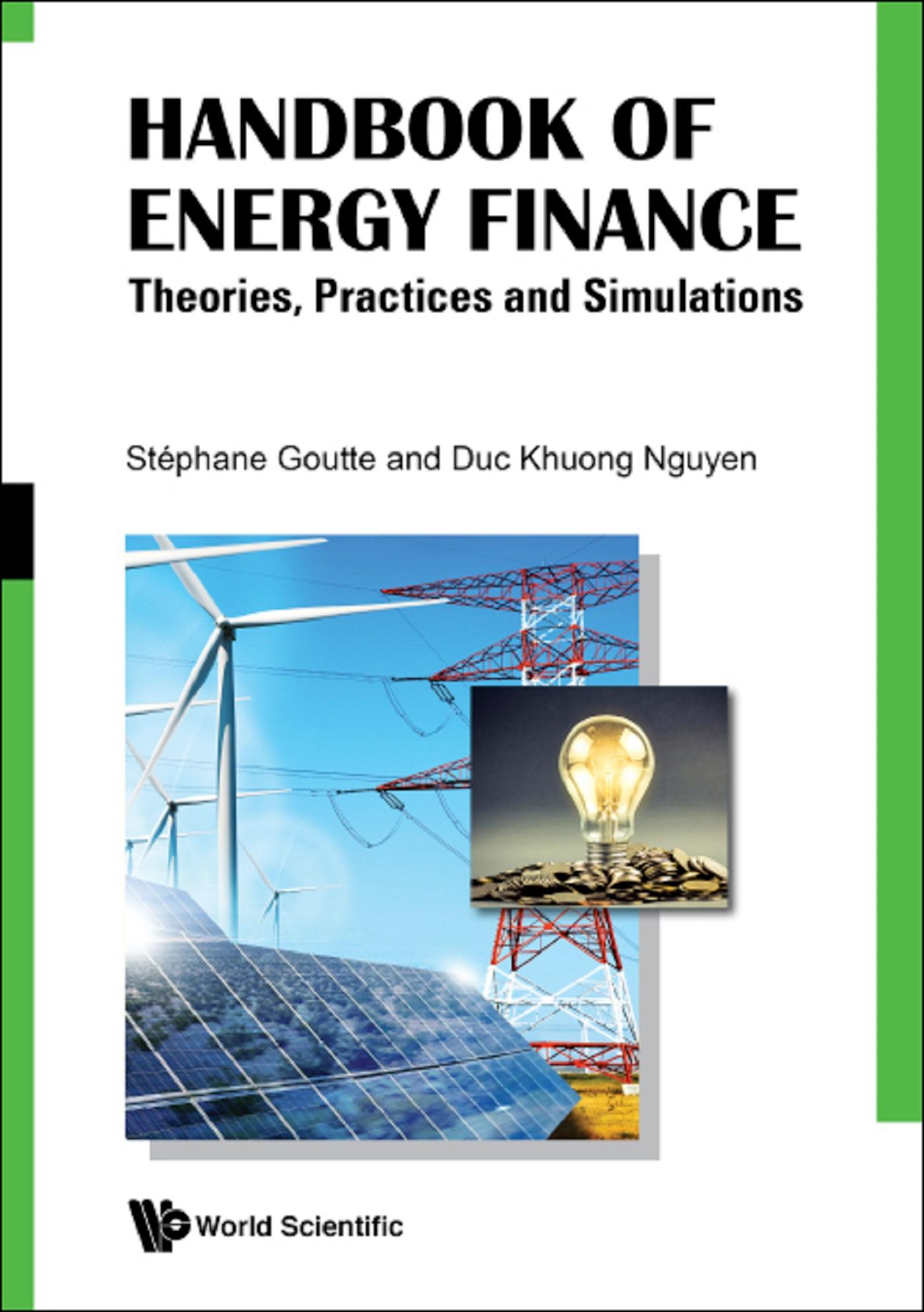
Modeling the dynamics of energy markets has become a challenging task. The intensification of their financialization since 2004 had made them more complex but also more integrated with other tradable asset classes. More importantly, their large and frequent fluctuations in terms of both prices and volatility, particularly in the aftermath of the global financial crisis 2008-2009, posit difficulties for modeling and forecasting energy price behavior and are primary sources of concerns for macroeconomic stability and general economic performance.This handbook aims to advance the debate on the theories and practices of quantitative energy finance while shedding light on innovative results and technical methods applied to energy markets. Its primary focus is on the recent development and applications of mathematical and quantitative approaches for a better understanding of the stochastic processes that drive energy market movements. The handbook is designed for not only graduate students and researchers but also practitioners and policymakers.
Betal enkelt med kort, Klarna, Apple Pay eller Google Pay. Ikke fornøyd? Du har alltid 14 dagers angrerett. Les mer i våre vilkår. Har du spørsmål, send oss en e-post på hello@memmo.org.
Memmo gjør det enklere å studere – uansett hvor du er i verden. Hos oss samler du pensumbøker og smarte studieverktøy på ett og samme sted: sammendrag, quizer, podkaster og flashcards. Og så Ted, din studiekompis som svarer på alt du lurer på. Over 50 000 studenter studerer allerede her – bygget for at du skal lære raskere og stresse mindre.
Du vil kanskje også like
Kjøp boken0