
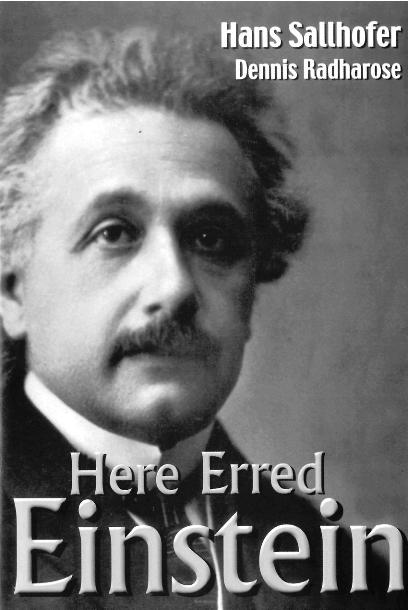
The emergence of modern physics in the first three decades of the 20th century was accompanied by a loss of determinism. That loss is embodied in the Copenhagen interpretation and the theory of relativity. The development of physics-based technologies, both constructive and destructive, occurred shortly thereafter at so dizzying a rate that scientists rarely took a critical look at the logical foundations of the Copenhagen interpretation and the theory of relativity, or at the consequences of the loss of determinism.This book contains a dialogue between a physicist and a philosopher on that issue. The dialogue is strongly contextualized with respect to the main players in physics during the first sixty years of the 20th century, and to the prevailing political conditions in Western Europe and the USA. It was galvanized by the debate and the subsequent abandonment of the Superconducting Super Collider, and also affords a lively understanding of Greek epistemology. Questioned by the philosopher, the physicist provides an account of the directions taken by physicists and the roads not traveled, as well as his own understanding of the nature of matter.
Betal enkelt med kort, Klarna, Apple Pay eller Google Pay. Ikke fornøyd? Du har alltid 14 dagers angrerett. Les mer i våre vilkår. Har du spørsmål, send oss en e-post på hello@memmo.org.
Memmo gjør det enklere å studere – uansett hvor du er i verden. Hos oss samler du pensumbøker og smarte studieverktøy på ett og samme sted: sammendrag, quizer, podkaster og flashcards. Og så Ted, din studiekompis som svarer på alt du lurer på. Over 50 000 studenter studerer allerede her – bygget for at du skal lære raskere og stresse mindre.
Du vil kanskje også like
Kjøp boken0