
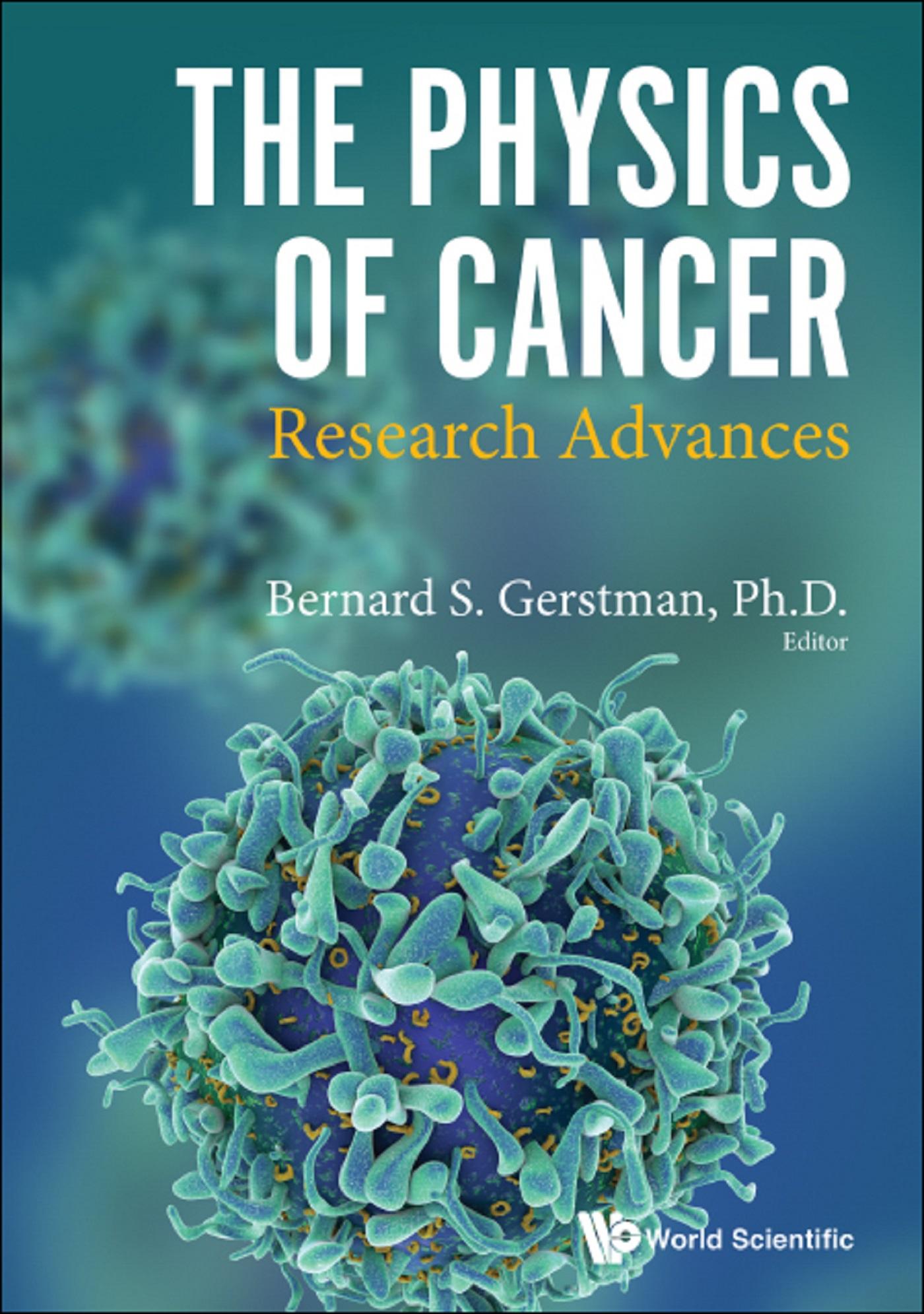
Cancer deaths per capita have decreased in recent years, but the improvement is attributed to prevention, not treatment. The difficulty in treating cancer may be due to its 'complexity', in the mathematical physics sense of the word. Tumors evolve and spread in response to internal and external factors that involve feedback mechanisms and nonlinear behavior. Investigations of the nonlinear interactions among cells, and between cells and their environment, are crucial for developing a sufficiently detailed understanding of the system's emergent phenomenology to be able to control the behavior. In the case of cancer, controlling the system's behavior will mean the ability to treat and cure the disease. Physicists have been studying various complex, nonlinear systems for many years using a variety of techniques. These investigations have provided insights that allow physicists to make unique contributions towards the treatment of cancer.This interdisciplinary book presents recent advancements in physicists' research on cancer. The work presented in this volume uses a variety of physical, biochemical, mathematical, theoretical, and computational techniques to gain a deeper molecular and cellular understanding of the horrific disease that is cancer.
Betal enkelt med kort, Klarna, Apple Pay eller Google Pay. Ikke fornøyd? Du har alltid 14 dagers angrerett. Les mer i våre vilkår. Har du spørsmål, send oss en e-post på hello@memmo.org.
Memmo gjør det enklere å studere – uansett hvor du er i verden. Hos oss samler du pensumbøker og smarte studieverktøy på ett og samme sted: sammendrag, quizer, podkaster og flashcards. Og så Ted, din studiekompis som svarer på alt du lurer på. Over 50 000 studenter studerer allerede her – bygget for at du skal lære raskere og stresse mindre.
Du vil kanskje også like
Kjøp boken0