
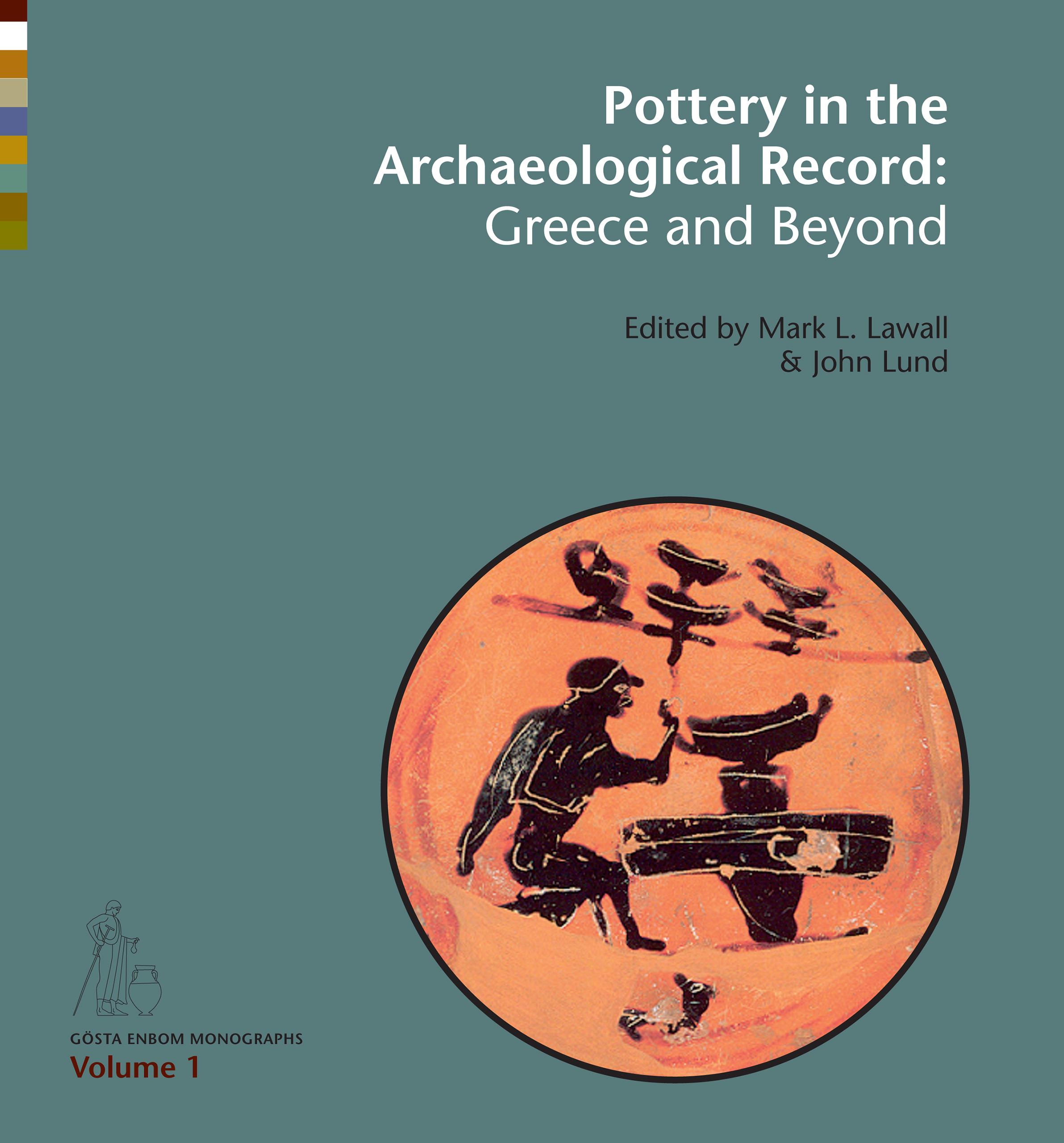
Archaeologist are increasingly focusing on the transformation of artifacts from their use in the past to their appearance in the archaeological record, trying to identiy the natural and cultural processes that created the archaeological record we study today. In Classical Archaeology, attention to these processes received an impetus by J. Theodore Pena's 2007 monograph, Roman Pottery in the Archaeological Record, which considered how ceramic vessels were made, used and stayed in use serving various secondary purposes, before finally being discarded. Pena relied mainly on evidence from Roman Italy, which raises the question of the impact of similar cultural forces on pottery from other periods and places. His work accentuates the need to continue the process of building and developing explicit interpretive models of ceramic life-histories in Mediterranean archeology. With a view to beginning to address these challenges, the editors invited a group of specialists in the pottery of Greece and the rest of the Eastern Mediterranean to a colloquium in Athens in June 2008, asking the contributors to recondiser Pena's general models, approaches and examples from their own particular geographic and cultural perspectives. This publication constitutes the proceedings of this colloquium.
Betal enkelt med kort, Klarna, Apple Pay eller Google Pay. Ikke fornøyd? Du har alltid 14 dagers angrerett. Les mer i våre vilkår. Har du spørsmål, send oss en e-post på hello@memmo.org.
Memmo gjør det enklere å studere – uansett hvor du er i verden. Hos oss samler du pensumbøker og smarte studieverktøy på ett og samme sted: sammendrag, quizer, podkaster og flashcards. Og så Ted, din studiekompis som svarer på alt du lurer på. Over 50 000 studenter studerer allerede her – bygget for at du skal lære raskere og stresse mindre.
Du vil kanskje også like
Kjøp boken0