
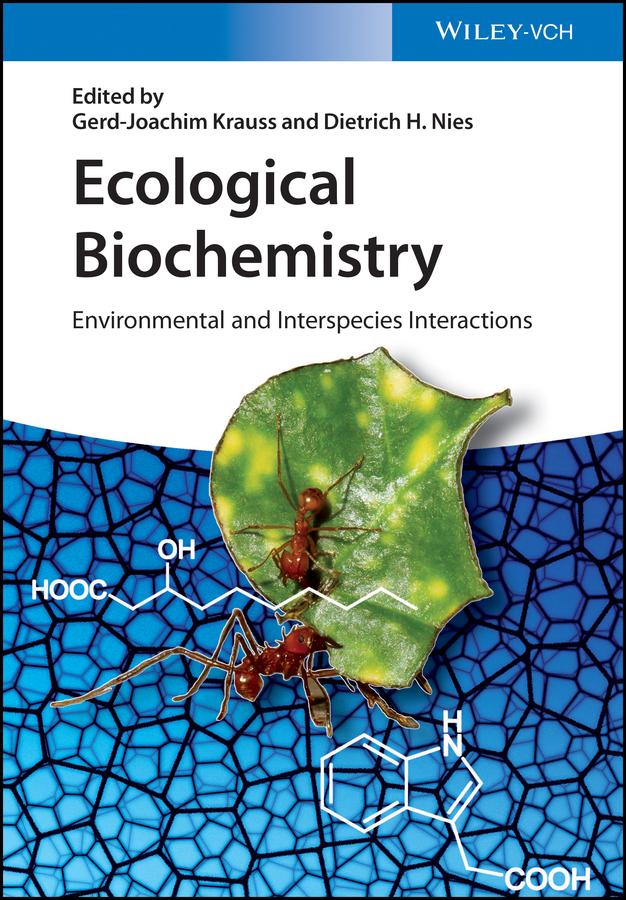
The first stand-alone textbook for at least ten years on this increasingly hot topic in times of global climate change and sustainability in ecosystems.
Ecological biochemistry refers to the interaction of organisms with their abiotic environment and other organisms by chemical means. Biotic and abiotic factors determine the biochemical flexibility of organisms, which otherwise easily adapt to environmental changes by altering their metabolism. Sessile plants, in particular, have evolved intricate biochemical response mechanisms to fit into a changing environment. This book covers the chemistry behind these interactions, bottom up from the atomic to the system's level.
An introductory part explains the physico-chemical basis and biochemical roots of living cells, leading to secondary metabolites as crucial bridges between organisms and the respective ecosystem. The focus then shifts to the biochemical interactions of plants, fungi and bacteria within terrestrial and aquatic ecosystems with the aim of linking biochemical insights to ecological research, also in human-influenced habitats.
A section is devoted to methodology, which allows network-based analyses of molecular processes underlying systems phenomena.
A companion website offering an extended version of the introductory chapter on Basic Biochemical Roots is available at
http://www.wiley.com/go/Krauss/Nies/EcologicalBiochemistry
Betal enkelt med kort, Klarna, Apple Pay eller Google Pay. Ikke fornøyd? Du har alltid 14 dagers angrerett. Les mer i våre vilkår. Har du spørsmål, send oss en e-post på hello@memmo.org.
Memmo gjør det enklere å studere – uansett hvor du er i verden. Hos oss samler du pensumbøker og smarte studieverktøy på ett og samme sted: sammendrag, quizer, podkaster og flashcards. Og så Ted, din studiekompis som svarer på alt du lurer på. Over 50 000 studenter studerer allerede her – bygget for at du skal lære raskere og stresse mindre.