
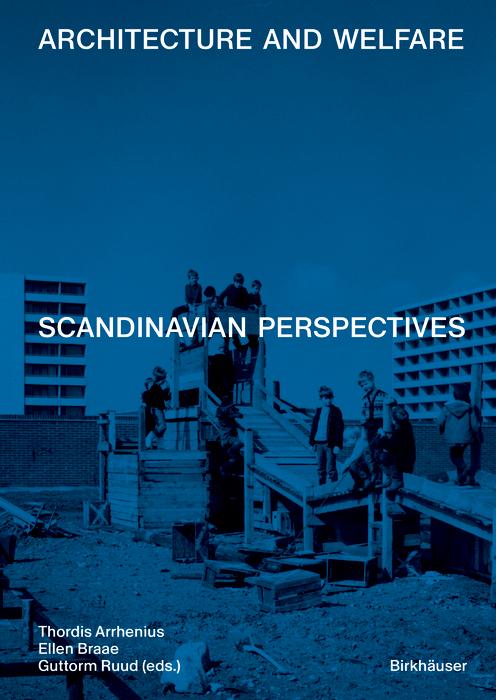
Architecture was fundamental to the realization of welfare state policy in the Nordic countries, translating democratic ideals into concrete spatial materializations. An inclusive notion of “welfare for all” was embraced by a generation of architects, landscape architects, and planners, who labored to give physical form to ideas of equality, collectivity, and
democracy, producing a vast architectural output in Scandinavia during the postwar years. Today, however, the architectural legacy of this era is contested. Welfare for all no longer enjoys the social or political consensus it once did.
This publication critically engages with this contested architectural legacy and provides a nuanced portrait of postwar welfare architecture coming to terms with a contentious past and facing an uncertain future
Betal enkelt med kort, Klarna, Apple Pay eller Google Pay. Ikke fornøyd? Du har alltid 14 dagers angrerett. Les mer i våre vilkår. Har du spørsmål, send oss en e-post på hello@memmo.org.
Memmo gjør det enklere å studere – uansett hvor du er i verden. Hos oss samler du pensumbøker og smarte studieverktøy på ett og samme sted: sammendrag, quizer, podkaster og flashcards. Og så Ted, din studiekompis som svarer på alt du lurer på. Over 50 000 studenter studerer allerede her – bygget for at du skal lære raskere og stresse mindre.