
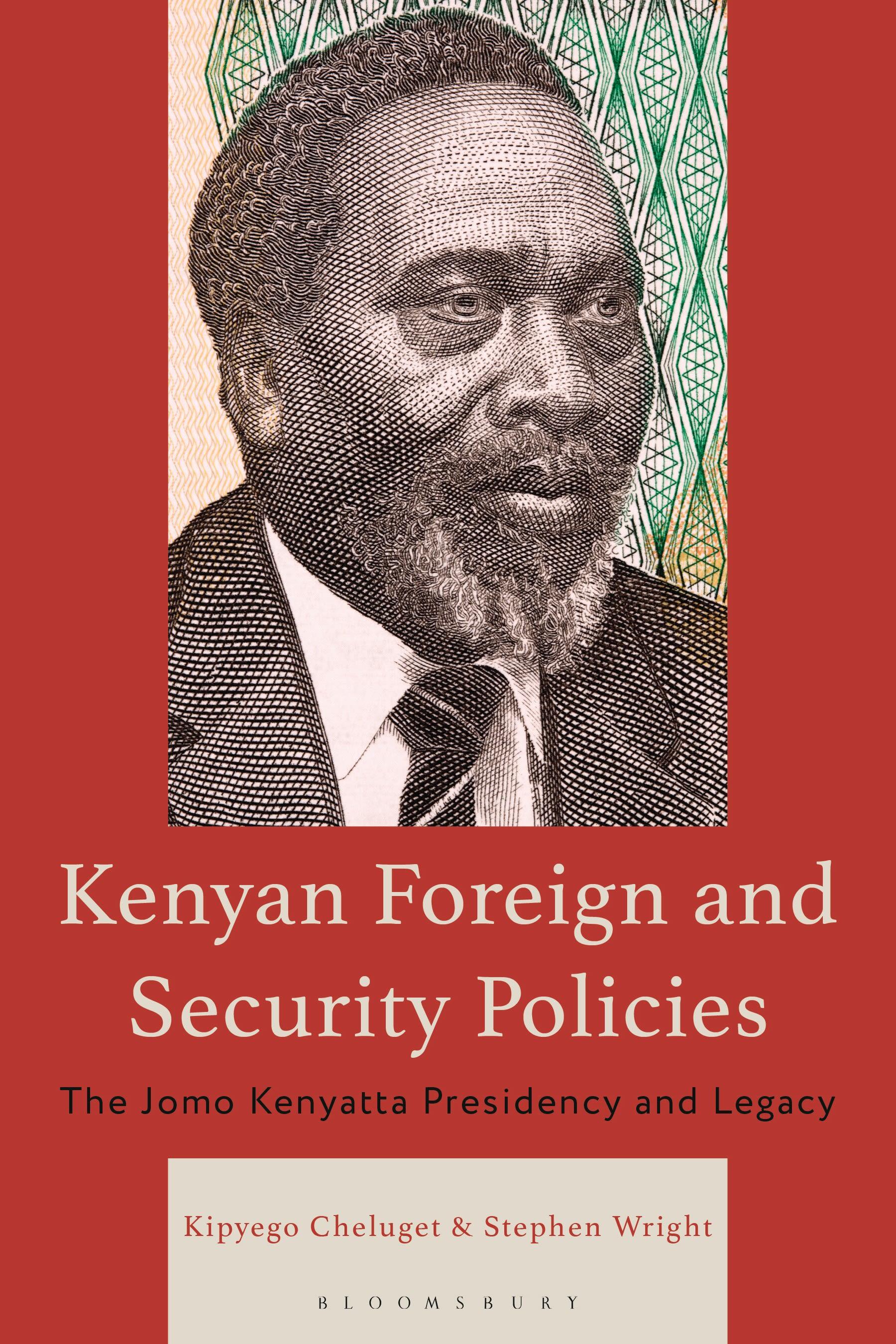
Kipyego Cheluget and Stephen Wright evaluate the legacy of Kenya's first president, Jomo Kenyatta.
Following a nationalist uprising and brutal colonial repression, Kenya became independent in December 1963. With much of the agricultural land still under European settler control, Jomo Kenyatta promoted foreign and security policies to balance Kenyan, African, and settler interests, attracting foreign investment into the new country. Kenyatta's programs, however, favored the West and established a growing need for British and American security guarantees to sustain Kenya in an increasingly unstable Eastern African region. In this book, Cheluget and Wright show that despite the growing pressures within Kenyan civil society for diversification of policies and redistribution of economic wealth, Kenyatta consistently maintained pro-western policies until his death in 1978. This book is split into 3 parts. Part I discusses the growth of Kenyan nationalism, the end of the colonial era, and the birth of the Kenyan State. Part II considers the political economy and development strategies of the Kenyan State. Part III assesses the degree of continuity of the succeeding leadership portrayed from the Jomo Kenyatta presidency. Through this detailed analysis, the authors examine Kenyatta's policies and examine how successive Kenyan presidents have largely maintained his policies and venerated his legacy.
Following a nationalist uprising and brutal colonial repression, Kenya became independent in December 1963. With much of the agricultural land still under European settler control, Jomo Kenyatta promoted foreign and security policies to balance Kenyan, African, and settler interests, attracting foreign investment into the new country. Kenyatta's programs, however, favored the West and established a growing need for British and American security guarantees to sustain Kenya in an increasingly unstable Eastern African region. In this book, Cheluget and Wright show that despite the growing pressures within Kenyan civil society for diversification of policies and redistribution of economic wealth, Kenyatta consistently maintained pro-western policies until his death in 1978. This book is split into 3 parts. Part I discusses the growth of Kenyan nationalism, the end of the colonial era, and the birth of the Kenyan State. Part II considers the political economy and development strategies of the Kenyan State. Part III assesses the degree of continuity of the succeeding leadership portrayed from the Jomo Kenyatta presidency. Through this detailed analysis, the authors examine Kenyatta's policies and examine how successive Kenyan presidents have largely maintained his policies and venerated his legacy.
Sider: 240
Kategori: Statsvetenskap & Politik
e-ISBN: 9781978769229
Fraktvekt: 1.2 kg
Sendes innen: 1-2 dager
Betal enkelt med kort, Klarna, Apple Pay eller Google Pay. Ikke fornøyd? Du har alltid 14 dagers angrerett. Les mer i våre vilkår. Har du spørsmål, send oss en e-post på hello@memmo.org.
Memmo gjør det enklere å studere – uansett hvor du er i verden. Hos oss samler du pensumbøker og smarte studieverktøy på ett og samme sted: sammendrag, quizer, podkaster og flashcards. Og så Ted, din studiekompis som svarer på alt du lurer på. Over 50 000 studenter studerer allerede her – bygget for at du skal lære raskere og stresse mindre.